Jawapan ringkas: Most street lights are about 9–50 ft (3–15 m) tall. Smaller residential and park poles are usually 9–14 ft (3–4 m), urban road and commercial poles are typically 20–30 ft (6–9 m), highway lighting often uses 30–50 ft (9–15 m), and high-mast lighting can exceed 50 ft (15 m).
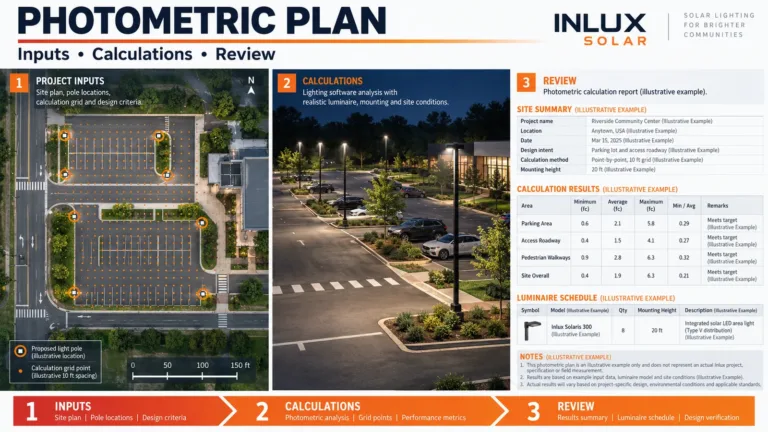
The right height is not chosen by a single universal standard. It depends on road width, pole spacing, fixture wattage, optical distribution, glare control, wind load, nearby trees or obstacles, and local lighting rules. The chart below gives a fast planning range before a full lighting layout or DIALux simulation.
| Street light application | Typical pole height | When this range fits |
|---|---|---|
| Residential streets, pathways, parks | 9–14 ft (3–4 m) | Lower glare, slower traffic, narrow roads, pedestrian areas |
| Rural and local roads | 12–20 ft (4–6 m) | Lower traffic volume, moderate pole spacing, basic road visibility |
| Urban roads, commercial zones, parking lots | 20–30 ft (6–9 m) | Wider roads, larger paved areas, stronger fixtures or wider optics |
| Lebuhraya dan jalan utama | 30–50 ft (9–15 m) | Multiple lanes, higher speed, wider spacing, stronger glare control |
| High-mast / large industrial areas | 50+ ft (15+ m) | Airports, ports, interchanges, yards and broad-area lighting |
Engineering note: FHWA roadway lighting guidance describes conventional roadway lighting mounting heights as about 9–15 m and high-mast systems as 25–55 m or more. For procurement, Inlux engineers still verify pole height against road width, spacing, optics, wind load and required lux level.
Standard Heights of Street Lights
Street light heights follow specific requirements based on what each environment needs. Here’s a breakdown of typical street light heights across various settings:

1. Residential Areas
- Julat ketinggian: 9–14 feet
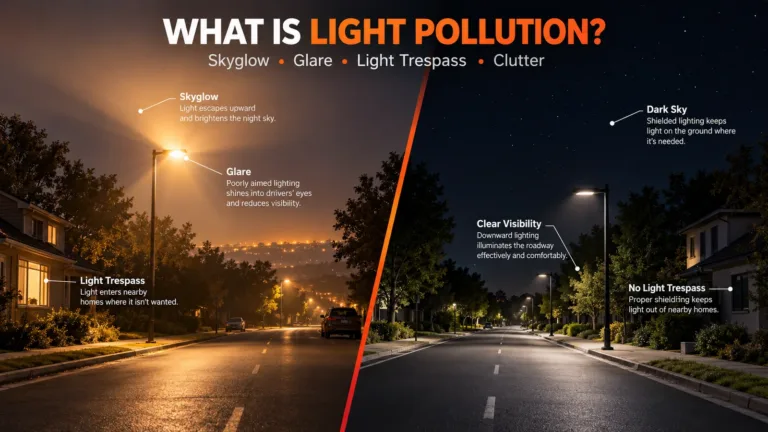
- Characteristics and Purpose: Residential streets need low-level lighting to brighten sidewalks, driveways and home entrances. A lower light post reduces light pollution and glare while keeping neighborhoods peaceful.
- Additional Considerations:
- Design Aesthetics: Residential neighborhoods install decorative poles that match their style including vintage lantern poles and sleek modern designs which stay shorter than other areas.
- Light Sources: LED lighting fixtures in residential areas deliver energy savings plus extended lifespan and reduced upkeep needs.
2. Urban Roads and Commercial Zones
- Julat ketinggian: 20–30 feet
- Characteristics and Purpose: Tall streetlight poles help light up wide urban roads and commercial areas. These pole heights work best for lighting extensive roadways and parking spaces plus walking paths.
- Additional Considerations:
- Light Distribution: Commercial areas need street lights to light up large parking lots and shopping center entrances so designers must select pole heights and lighting strengths carefully.
- Multifunctionality: Urban street lights often have built-in sensors and surveillance cameras plus digital advertising panels that affect how high poles need to be.
- Fixture Types: Urban areas prefer metal halide and LED street lights because they produce strong light while using less energy.
3. Highways
- Julat ketinggian: 30–50 feet
- Characteristics and Purpose: Highways need tall poles because they must light up many lanes across their large road surfaces. Taller street lights help drivers see better at fast speeds, which makes highways safer.
- Additional Considerations:
- High-Mast Lighting: Highways and large intersections use tall lighting systems that stand more than 50 feet tall; off-grid sites increasingly use a lampu tiang tinggi solar for the same broad-area coverage without cabling.
- Rintangan Angin: Highway poles need to handle strong winds, so designers use galvanized steel or aluminum materials that resist corrosion.
- Light Uniformity: Highways must follow lighting rules that create even light distribution across all driving areas to keep roads safe.
4. Parks and Landscape Lighting

- Julat ketinggian: 6–12 feet
- Characteristics and Purpose: Street lights located in parks or along pedestrian sidewalks and within landscapes are comparatively shorter These are placed with the primary purpose to beautify the atmosphere. Thus, their height is also considerate of the surroundings designed to blend with it.
- Additional Considerations:
- Kecekapan Tenaga: In consideration of curb appeal and operating costs, lighting within parks utilizes streetlights which operate through Solar Power.
- Decorative Designs: Many landscape lighting poles are embellished artistically and of shorter height to suit the theme of the park.
5. Industrial Zones and Large Facilities
- Julat ketinggian: 50 feet or more
- Characteristics and Purpose: Industrial areas like aircraft approach zones, docks, airports, and freight stations require tall poles with powerful concentrated lighting. These lights are needed to make sure that work on these sites is carried out in a safe and effective manner during night-time operations.
- Additional Considerations:
- High-Intensity Lighting: Due to the nature of work carried out in industrial zones, lighting from high-pressure sodium lamps or metal halide lights are more often sought after, for stronger illumination.
- Special Design: Industrial lighting poles are often much taller than normal ones, to make sure that lighting reaches all areas that are not obstructed by large equipment or buildings.
Industrial sites with combustible dust or vapor additionally require an explosion-proof solar street light rated for hazardous areas.
6. Rural Roads
- Julat ketinggian: 12–20 feet
- Characteristics and Purpose: Rural roads are less wide and have limited traffic flow which means that street lights only need to be installed for functional purposes. This helps with reducing costs related to installation as well as maintenance.
- Additional Considerations:
- Solar Street Lights: Dependence on gridded electricity means higher maintenance costs. This is why rural areas use solar powered lights.
- Wider Spacing: Fewer lights are installed in rural areas to limit expenditure, but it is important that there are still enough lights for adequate coverage.
Factors Influencing Street Light Heights
Several key factors shape the height of street lights, ensuring they meet both functional and aesthetic goals:

1. Road Type
The type of road is the most fundamental factor which determines the street light height. For instance, residential streets are designed with shorter poles to enhance pedestrian safety while highways tend to have taller poles to encompass a wide area for speedy traffic.
2. Purpose of Lighting
The purpose of street lights determines their essential design. Lights that highlight walking paths and small spaces including parks and community areas use shorter fixtures. Lighting systems meant for intersections and big parking areas need taller poles to cover their wider spaces.
3. Pole Design and Fixture Type
Modern poles that are adopted include features such as sensors, cameras and smart controls. This may alter height requirements. Moreover, using flood lights, beacon lights, and even landscape lights will raise height requirements so the light beam is in the effective range.
4. Peraturan Tempatan
Local areas may have guidelines related to the height of street lights that conform to some form of national standards or issues of safety. For example, the City of Los Angeles has some stringent regulations regarding the illumination of highways and ambient light pollution.
Advantages of Properly Designed Street Light Heights

Choosing the correct height for street lights offers several practical benefits:
Optimized Light Distribution
Adequate height provides even illumination of the target area while reducing glare and darker zones. This is of prime importance in public places, since poor lighting can create safety issues.
Kecekapan Tenaga
Setting street lights at their proper height helps us need fewer poles to light the same space, which saves energy. Solar street lights positioned correctly help their solar panels work better.
Improved Safety
Good lighting placed at the correct level helps prevent accidents by making everything easy to see for drivers and people walking. Good lighting becomes essential to reduce acidence during heavy traffic periods on major highways.
Reduced Maintenance Costs
Well-installed lights need fewer adjustments and replacements which saves money on maintenance throughout their lifetime.
Special Types of Street Lights
While most street lights follow standard designs and heights, some are tailored for specific purposes or environments:
Smart Street Lights
Smart Lightening Systems equipped with sensors, cameras, and adaptive technology are smart poles. The height of these poles is adjusted to ensure that the hardware such as cameras and environmental sensors have an unobstructed view.
Lampu Jalan Hiasan
Street light poles placed in parks, residential areas or historical districts are placed at a height of 10 to 12 feet to ensure proper lighting as well as blend in the aesthetic of the places. Such poles are made mainly for beauty rather than maximum light coverage.
Lampu Jalan Berkuasa Solar

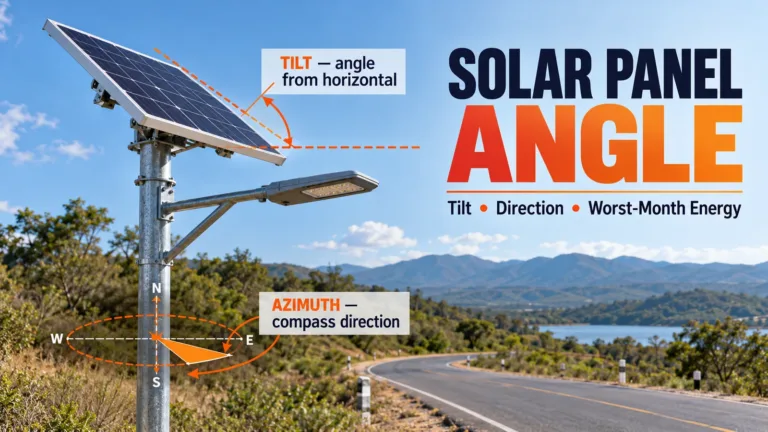
Solar power does not by itself require a taller street-light pole. Select mounting height from the lighting layout, then review PV orientation, shading, maintenance access and the loads from the complete solar assembly. A taller pole is not a substitute for suitable panel exposure.
Customization and Trends in Street Light Heights
With the increase in the area of cities and their development, the street lighting in those cities also changes. Customization has paved a new trend where cities are able to create street lights to the particular city infrastructure and environment. For example:
- Adaptive Lighting Systems: Here, the poles have more proficient structures as the systems change pole height depending on the time of day, which in turn affects the level of brightness on the streets.
- Energy Efficient Designs: The introduction of LED street lamps and smart street lighting has lessened the use of energy without compromising the level of light emitted.
- Urban Aesthetic Integration: Newer cities are, indeed, building street lamps that fit with the style of the entire urban design and using bespoke poles that blend with the area.
FAQs About Street Light Heights
What is the average height of a street light?
The street light size varies with its purpose and location. Generally, residential street lights are 9-14 feet, urban road lights are 20–30 feet, and highway lights are 30-50 feet tall.
How high up is a street light?
A street light can range anywhere between 9 feet in residential settings to over 50 feet in an industrial area or on highways. It all depends on warning requirements and the type of road.
What is the standard size of a street light?
Even though there isn’t a universal “standard” size, typical street light poles fall within these ranges 9-14ft for sub urban types areas, 20-30 ft for urban roads and 30-50 for highways.
What is the height of a street light post?
The application determines the height of a street light post. For example, posts placed in parks and residential areas are shorter 6-14 ft than those placed on highways or large facilities which may exceed 50 ft.
Engineering Insight: How Tall Should Street Lights Be in Hurricane-Prone Zones?
Most generic lighting guides recommend a standard 25 to 30-foot pole. However, as an experienced pengilang lampu jalan solar, we know that wind load changes drastically with height.
For typhoon- or hurricane-exposed sites, do not apply one universal pole-height limit. Ask the responsible structural engineer to review the site design criteria, exposure, pole geometry, attached equipment and foundation conditions. The selected height must satisfy both the lighting layout and the project-specific structural design.
A steel grade, thicker wall or bracket shape alone does not establish a hurricane rating for the installed system. Confirm the calculations, drawings and approval responsibilities for the pole, luminaire, PV assembly, connections, anchors and foundation. Review the solar street light pole supply scope before requesting a configuration. The FHWA structural-support inspection guide provides background on wind-induced vibration and fatigue; it is archived guidance, not a current project design code or approval of an Inlux configuration.
Planning a Real Road-Lighting Layout?
Pole height is only the starting point. For a project layout, continue with our pole height and spacing guide, compare the required road class in our road and street lighting solution, atau send your road width, target lighting level, and pole constraints for engineering review.
Planning pole heights for a real road project?
Send us your road width and project length — Inlux engineers return a free DIALux layout with recommended pole height, spacing and wattage for your exact site.
Request a Free Lighting Layout → Browse Solar Street LightsKesimpulan
Street light systems are not simply a matter of operation; they are an important aspect of city structure since they concern safety, service efficiency, and how the public zones look. The height of a streetlight has a direct impact on its performance in different settings. Thus, it has to be calculated.
From street lighting on residential neighborhoods to monumental highways, the height selection of poles tackles the balance between effectiveness, economy, and appearance. As metropolitan areas develop, smarter street lights and solar lights for outdoor lighting are amongst the advanced trends that will define the future of lighting equipment design.