







Commercial Outdoor Security Lighting for Perimeters
Design risk-appropriate lighting along fences, yards and access points to deter, detect and recognize. We align with IES G-1 (security lighting principles), IES RP-8 (adjacent roadways) and EN 12464-2 (outdoor workplaces), and we size vertical/semicylindrical illuminance for faces, gates and camera corridors. Optics, mounting and spacing are optimized from photometry to deliver uniformity with low glare, while BUG/TM-15 controls spill to neighbors and skylines. Submit your site plan for a standards-based layout, calculation report and bill of materials—available in LED berkuasa grid atau tenaga suria solutions.
Key Considerations for Perimeter & Security Lighting

Standards alignment
IES G-1 for security lighting, EN 12464-2 for outdoor work areas, and IES RP-8 where roadways interface.

Vertical light for recognition
Sasaran vertical/semicylindrical illuminance at gates, turnstiles, doors and camera corridors to reveal faces and apparel.

Glare & spill control
Manage BUG/TM-15 and veiling luminance; shield at perimeters, upper stories and neighboring properties.

Power & resilience
Scheduling and occupancy sensing; for solar, battery autonomy sized for worst-case nights and restart after outages.
Design Principles for Perimeter & Security Lighting

Risk-based classes
Lighting targets scale with risk and task—deterrence, detection and recognition—rather than a single fixed lux value.

Optics & geometry
Type II/III for perimeter runs; Type IV/V or forward-throw for yards. Pole height and spacing are calculation outcomes.

CCTV integration
Sediakan consistent vertical light, limit blooming/flare into lenses, and coordinate CCT/CRI with camera WDR/IR.

Color & comfort
3000–4000 K typical; CRI ≥80 near gates and ID checks for color-critical recognition.

Controls & operations
Staggered dimming for off-hours, motion-based step-ups, health monitoring and fault alerts.
Penyelesaian mengikut senario
For off-grid sites, solar security lighting can be evaluated alongside LED perimeter lighting. The project brief should define perimeter geometry, pole locations, operating hours, camera or CCTV coordination, battery reserve, and maintenance access. Final photometrics, autonomy, and camera performance require site-specific review. If cameras are in scope, review the solar CCTV power and pole interfaces. Send the perimeter layout and operating brief, identifying who supplies the cameras, communications, lighting and commissioning work so the quotation has a clear supply boundary.
Fence Lines & Clear Zones
Continuous uniformity with low glare; forward-throw optics to avoid lighting the outside beyond the fence.
Gates, Guardhouses & Turnstiles
Elevated vertical/SC components for faces and IDs; back-light shielding to protect operators’ vision.
Yards, Loading Docks & Container Areas
Wide/forward distributions with mast poles; maintain shadow control between vehicles and stacks.
Camera Corridors & PTZ Overlaps
Even vertical illumination across camera FOV; avoid highlights behind subjects that cause silhouettes.
Parking & Perimeter Interfaces
Tie security foot-candles to parking code minima; cap spill at property lines and residential edges.
Apa yang anda dapat
- EN 13201 / IES RP-8 compliant layout (luminance or illuminance/vertical/SC as applicable)
- Fail fotometrik (IES/LDT) + laporan pengiraan
- Pole/foundation drawings + single-line diagram
- Bill of materials with options (LED vs Solar, pole heights, optics)
- O&M and warranty checklist
- Compliance crosswalk mapping local guidelines to EN 13201 / IES RP-8.
- Lead time, logistics and installation method statement (optional).
- Security-focused photometric package (horizontal + vertical/SC where required)
- CCTV coordination notes (camera placement, lens FOV, tilt and expected vertical E)
- Commissioning checklist with target set-points, dimming schedules and acceptance criteria
Produk Lampu Jalan Solar Yang Disyorkan

JAGUAR (INL-AIT5)
All-in-two keluaran tinggi dengan LED 5050, bateri LiFePO4 berkapasiti besar, optik canggih—dibina untuk lebuh raya dan jalan utama.

FALCON (INL-AIT6)
Keluaran sederhana, optik serbaguna, pemasangan pantas—sesuai untuk jalan, laluan, dan kawasan letak kereta.

BISON (INL-AIT7)
Padat, cekap, kelas >180 lm/W—taman komuniti dan kawasan perindustrian sedia.
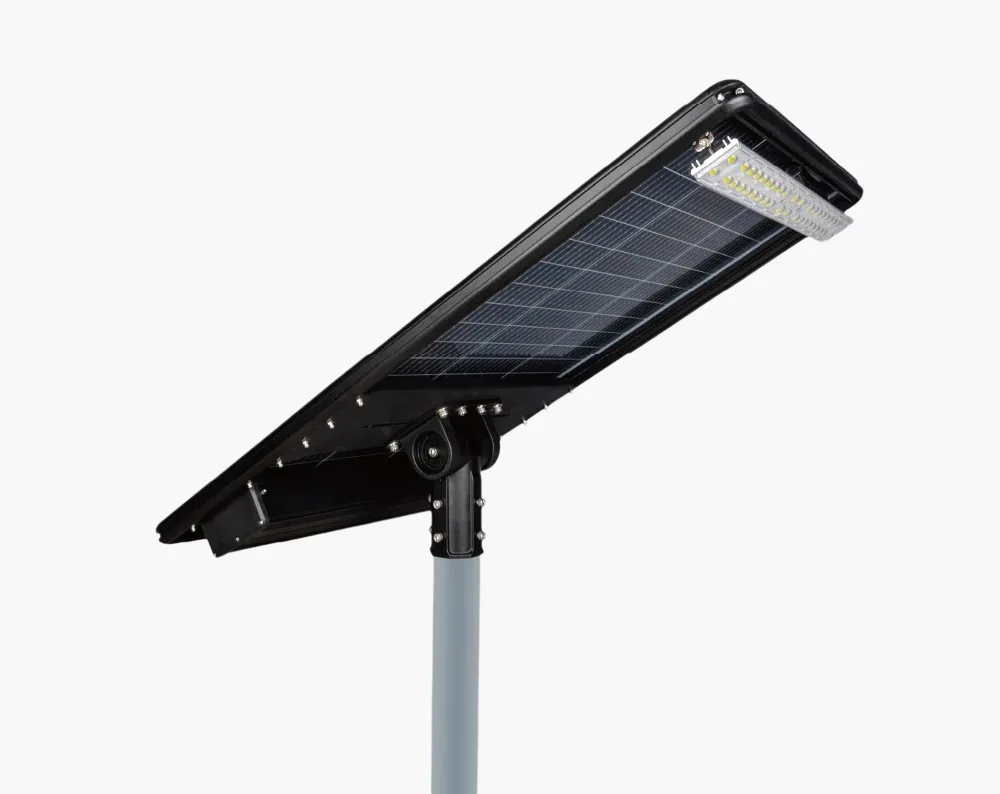
SIRIUS (INL-AIO9)
AIO keluaran tinggi dengan kepala boleh laras, optik Jenis II/III, LED 5050 dan LiFePO4—dibina untuk jalan dua hala dan lebuh raya.
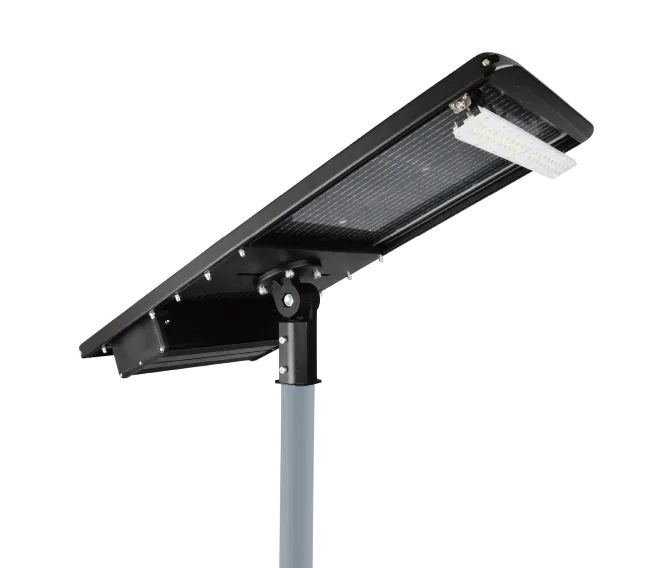
GALAKSI (INL-AIO6)
AIO modular untuk keluaran kecil hingga sederhana; LED 5050, LiFePO4 dan pilihan gerakan/IoT—penyelenggaraan mudah untuk jalan, laluan, tempat letak kereta.
Produk Lampu Jalan LED yang Disyorkan
Review LED roadway luminaires for perimeter routes, gates and yard interfaces. Confirm the selected optic, mounting arrangement and control requirements through a site-specific lighting review.

INL-LED25 — Lampu Jalan LED
Pakej 100–200 W, optik jalan raya dan pemacu yang bersedia untuk kawalan bagi jalan utama dan jalan pengumpul.

INL-LED24 — Lampu Jalan LED
50–200 W dengan optik Tipe II/III/V yang tepat; servis tanpa alat dan pilihan SPD untuk perbandaran.

INL-LED23 — Lampu Jalan LED
Julat kuasa tinggi 50–240 W untuk jarak yang lebih luas; pelbagai dudukan lengan/slip-fitter.

INL-LED22 — Lampu Jalan LED
Platform serba boleh 60–200 W dengan pengagihan jalan raya dan pilihan kawalan.

INL-LED13 — Lampu Jalan LED
60–200 W dengan rumah die-cast tahan lama dan penarafan IP/IK untuk jalan bandar dan kawasan luas.