Bamako Mali: 3,162 Solar Street Lights Deployed
Projek Sekilas
Sekilas
Lokasi Projek
Bamako, Mali
Pemilik Projek
Kerajaan Bandaraya Bamako
Jumlah dibekalkan
3,162 lampu jalan solar
Permohonan
Penggantian lampu jalan tradisional yang dikuasakan oleh grid pada jalan perbandaran
Tahun:
2025
Keputusan:
Masa operasi yang lebih tinggi, operasi dan penyelenggaraan jauh, penjimatan tenaga

Penyelesaian – JAGUAR
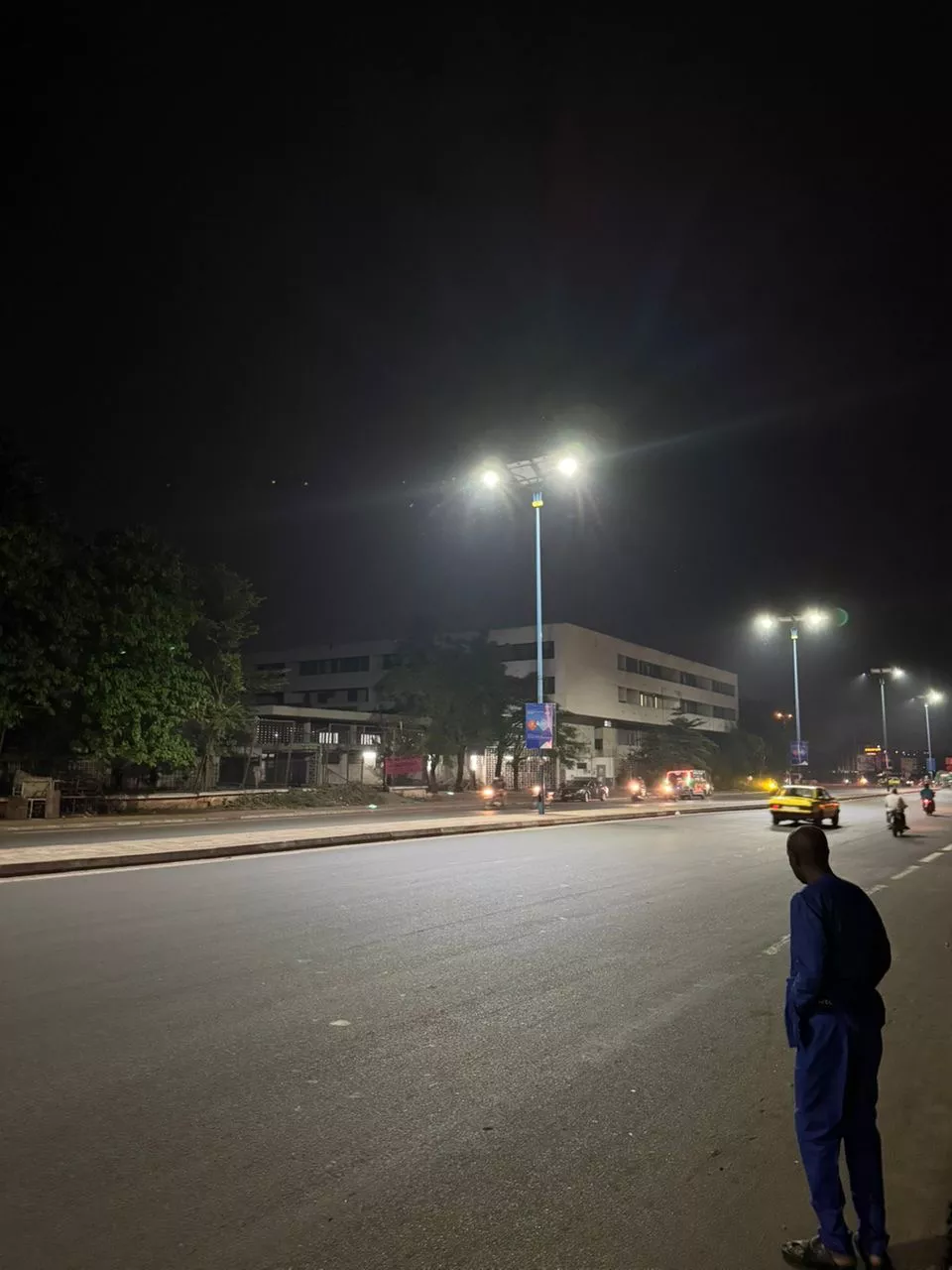
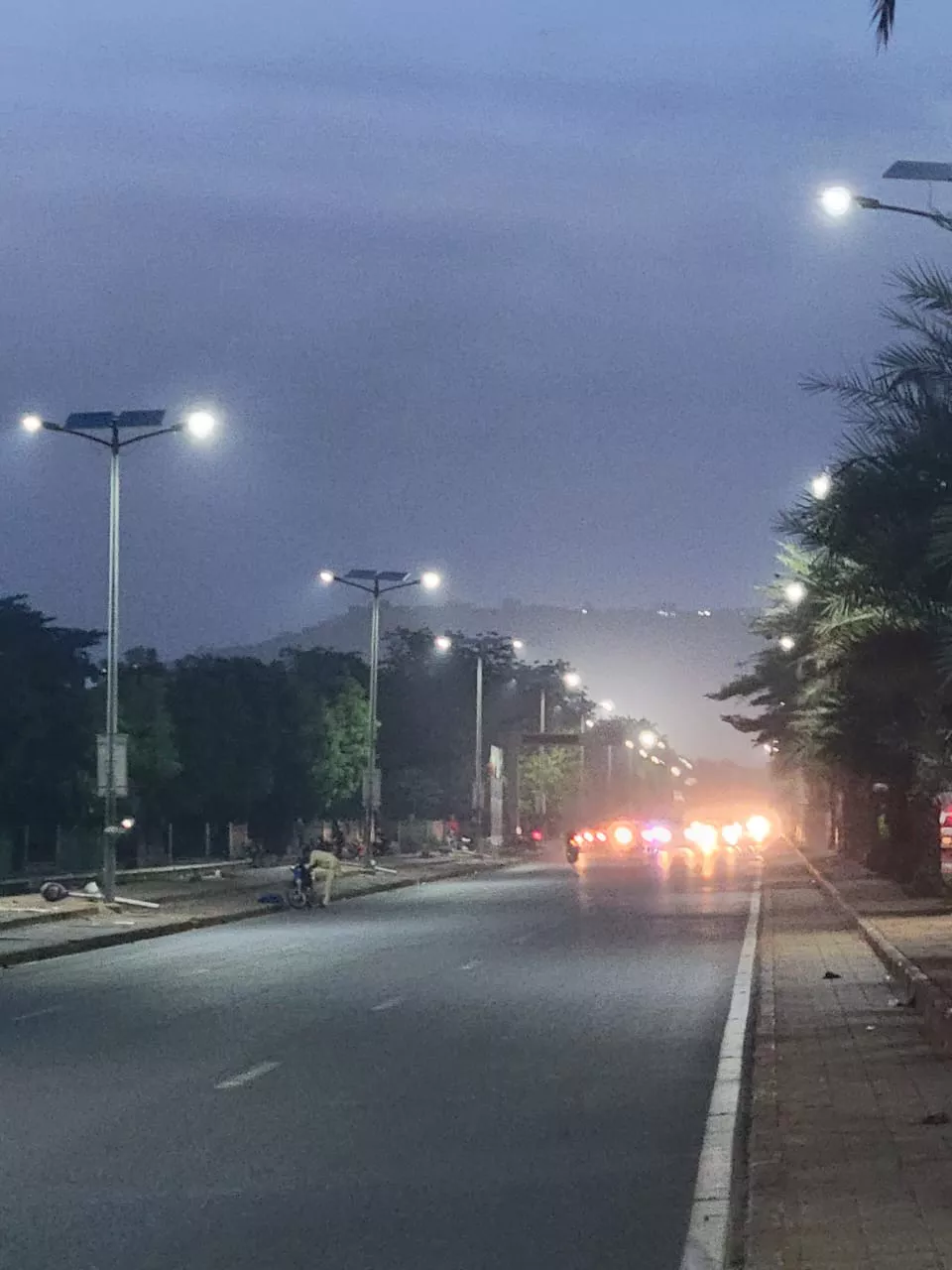
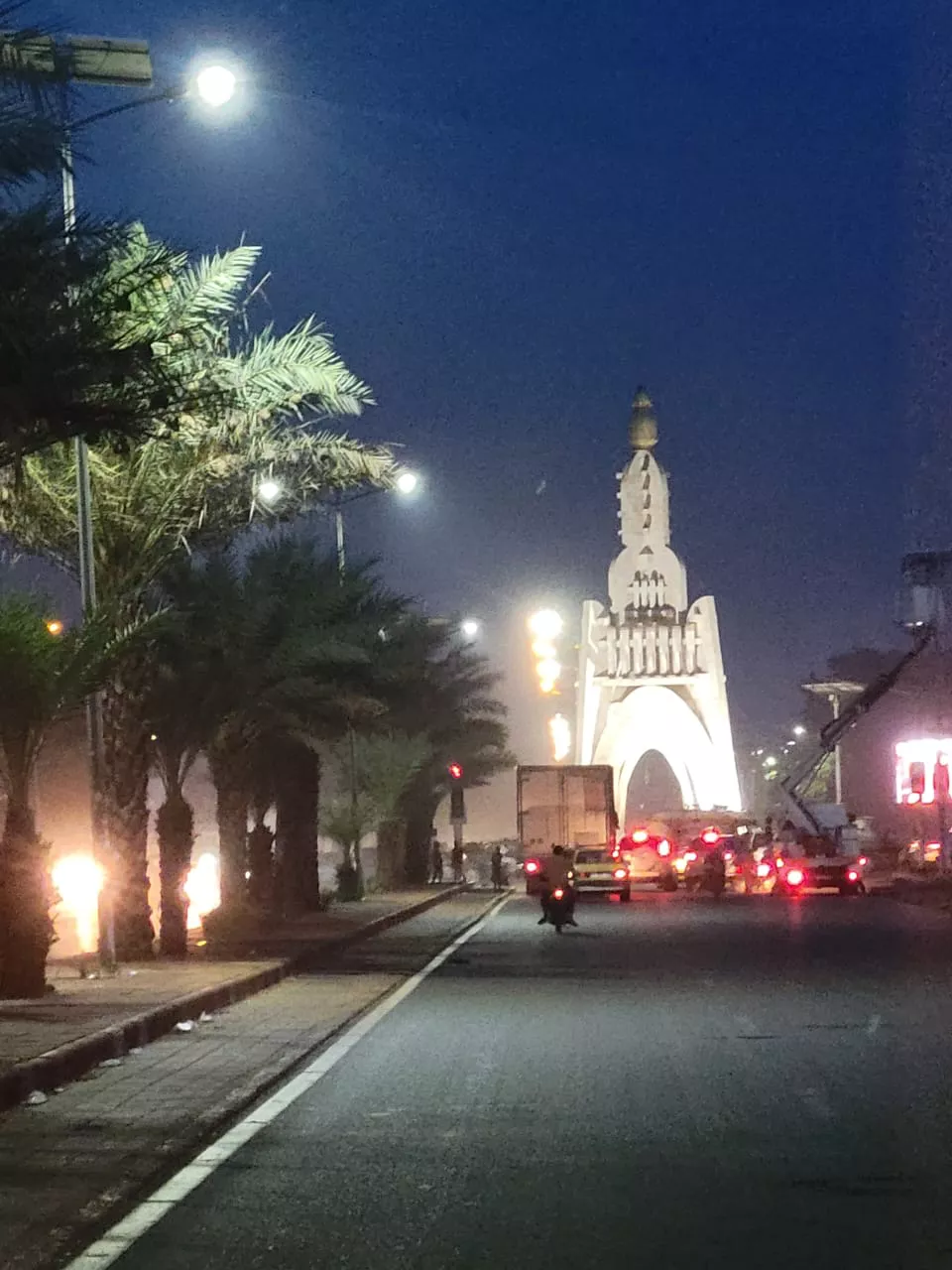
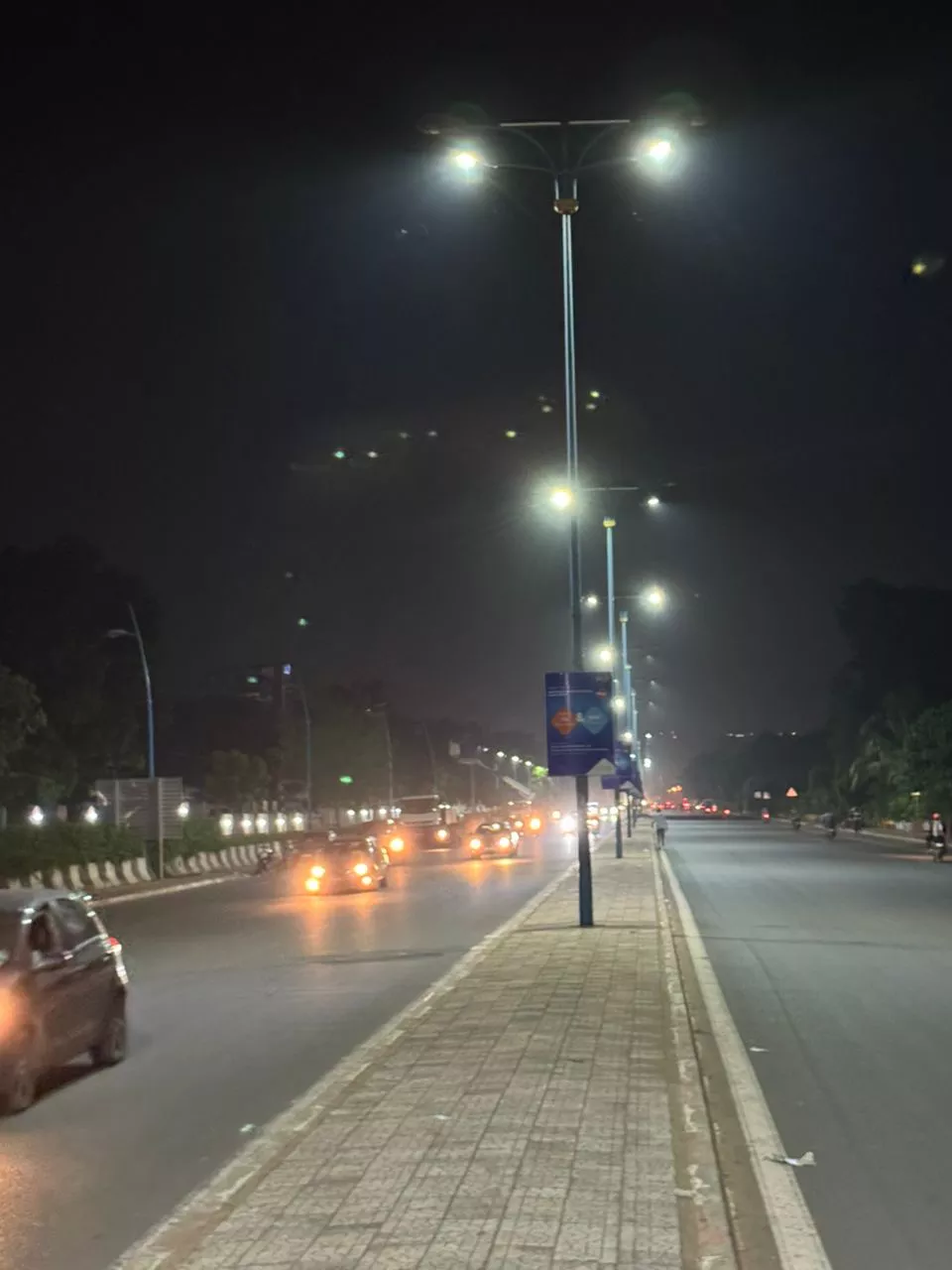
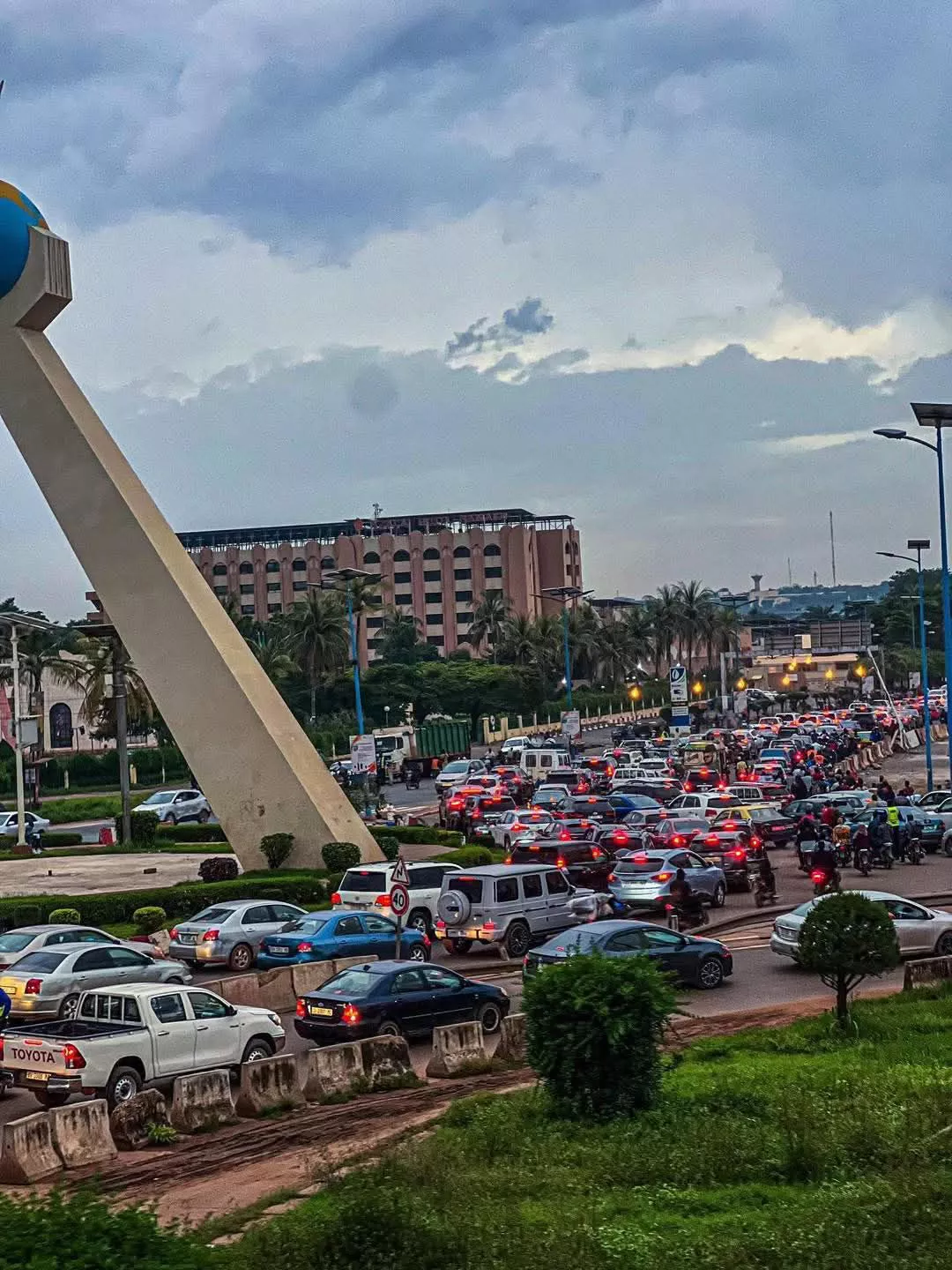
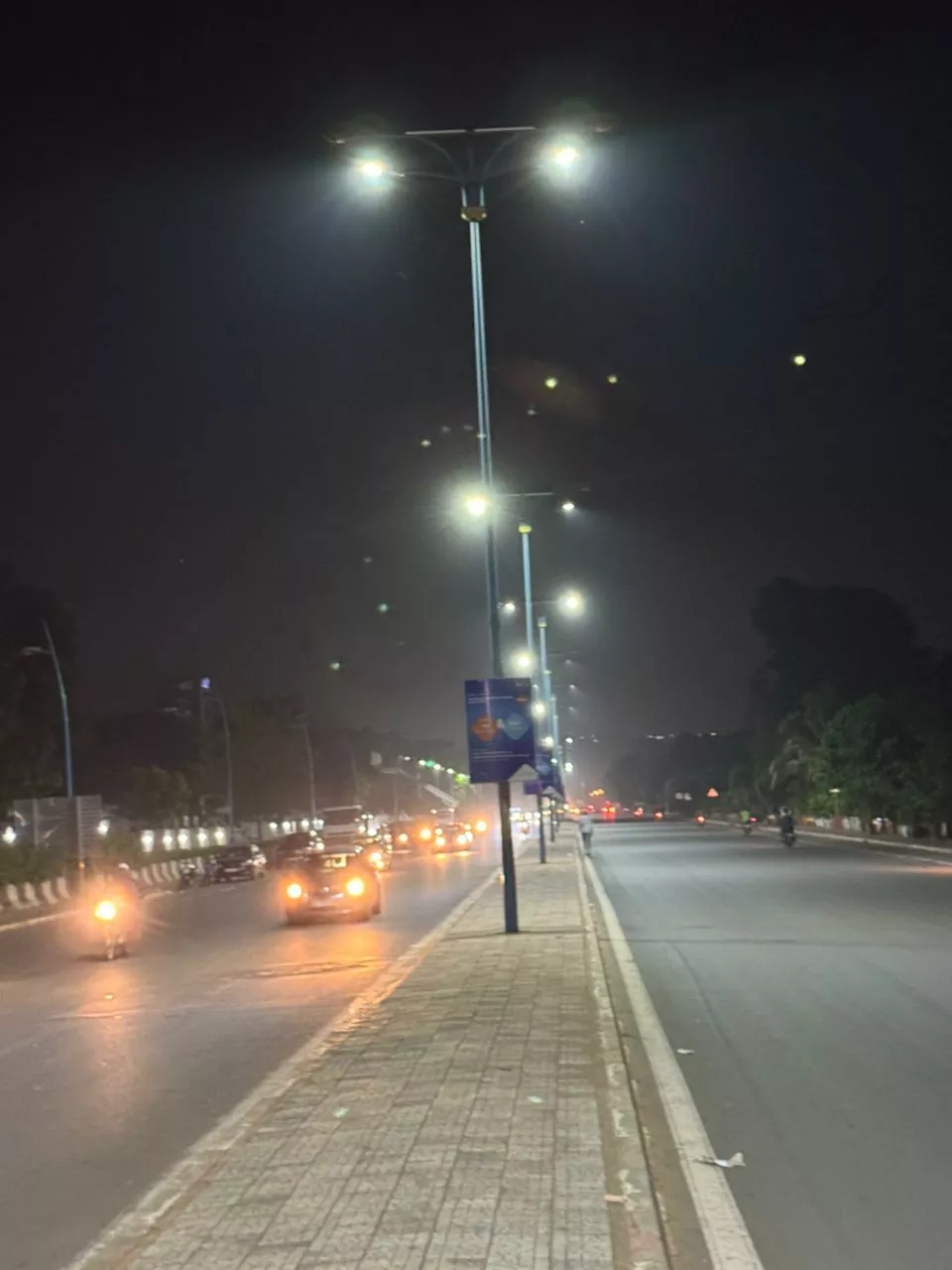
In Bamako, the capital of Mali, streets were often dimly lit at night, especially along main roads and residential areas. Citizens frequently faced safety concerns, and the city’s nightscape appeared dull. Bamako, home to several million people and one of West Africa’s fastest-growing capitals, depends on a grid that is costly to extend and vulnerable to outages — every grid-tied street light adds recurring energy and maintenance costs to the municipal budget. The city government decided to modernize its lighting infrastructure to improve nighttime visibility and create a greener, sustainable urban night environment.
Video Projek
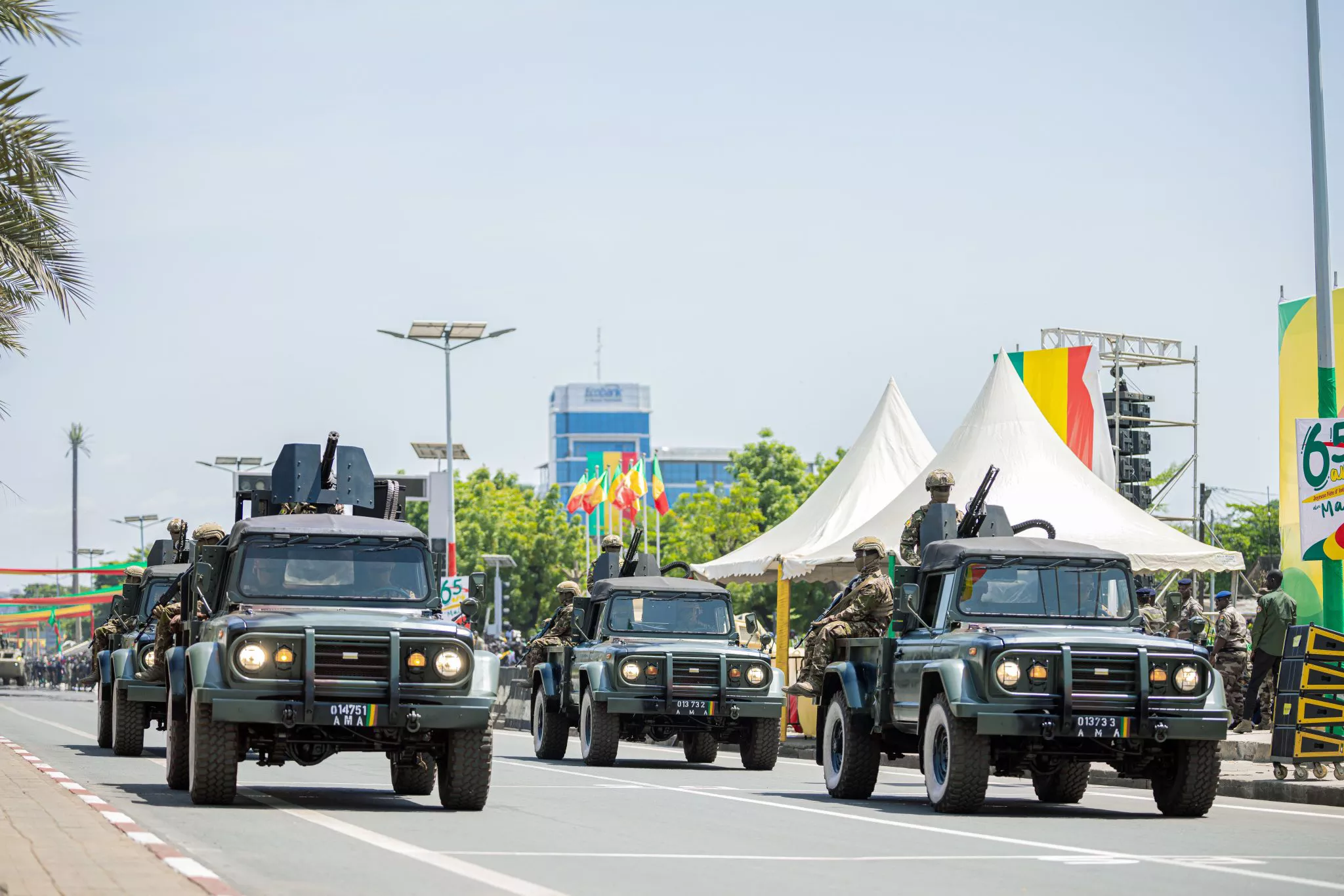
Terokai kuasa transformasi tenaga lestari di Afrika! Dalam video ini, kami mempamerkan kejayaan Projek Pencahayaan Jalanan Solar Perbandaran Bamako, yang dikuasakan oleh Inlux Solar.
Dari meningkatkan keselamatan awam hingga merancakkan ekonomi malam tempatan, lihat bagaimana teknologi solar canggih kami menerangi jalan-jalan di ibu kota Mali.

Pelaksanaan & Jaminan Kualiti
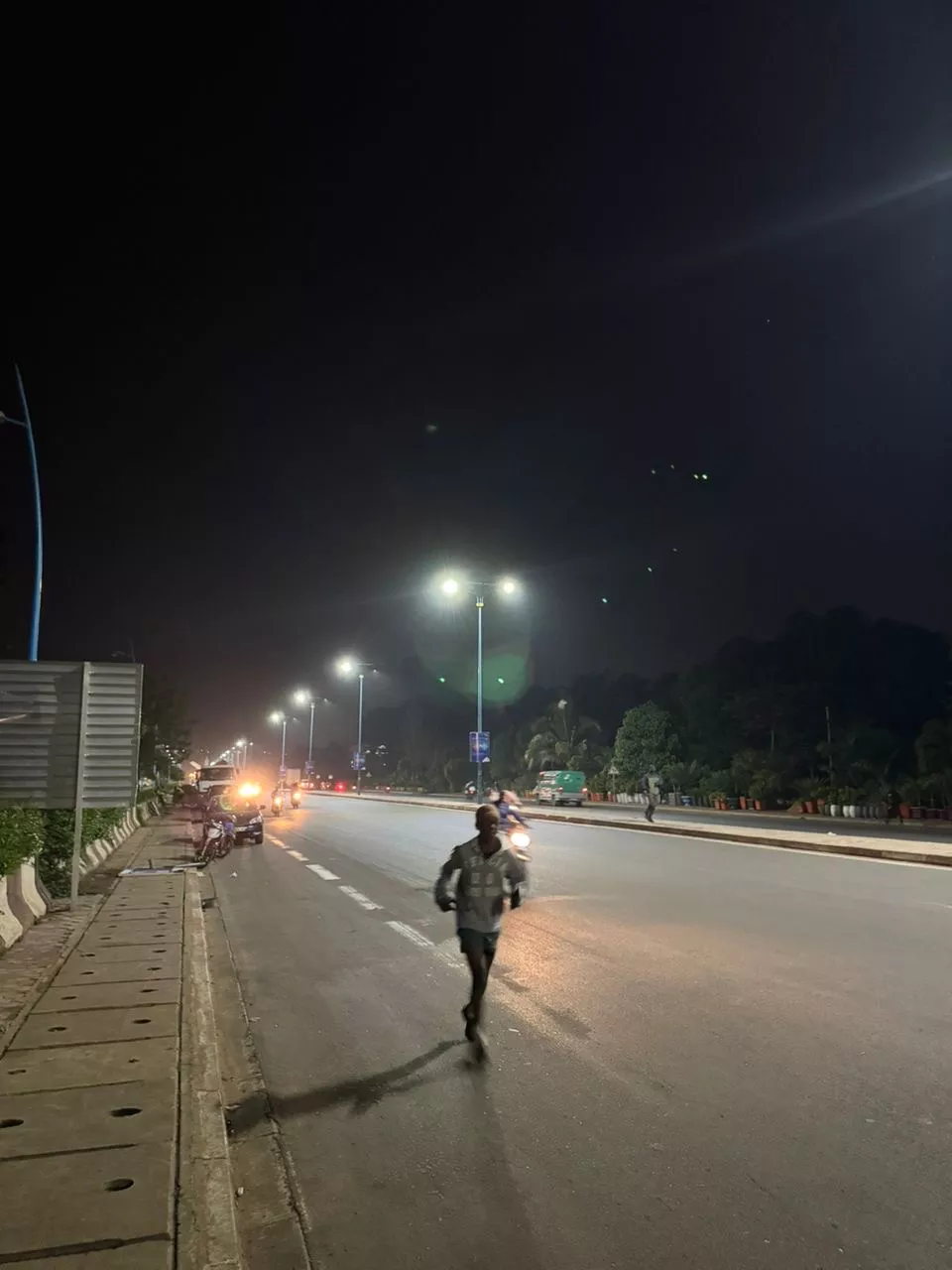
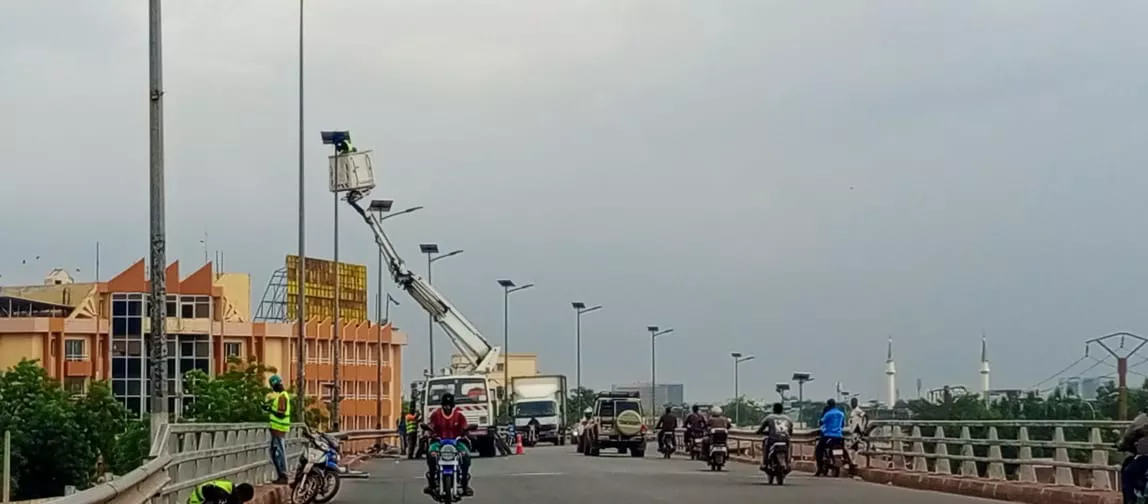
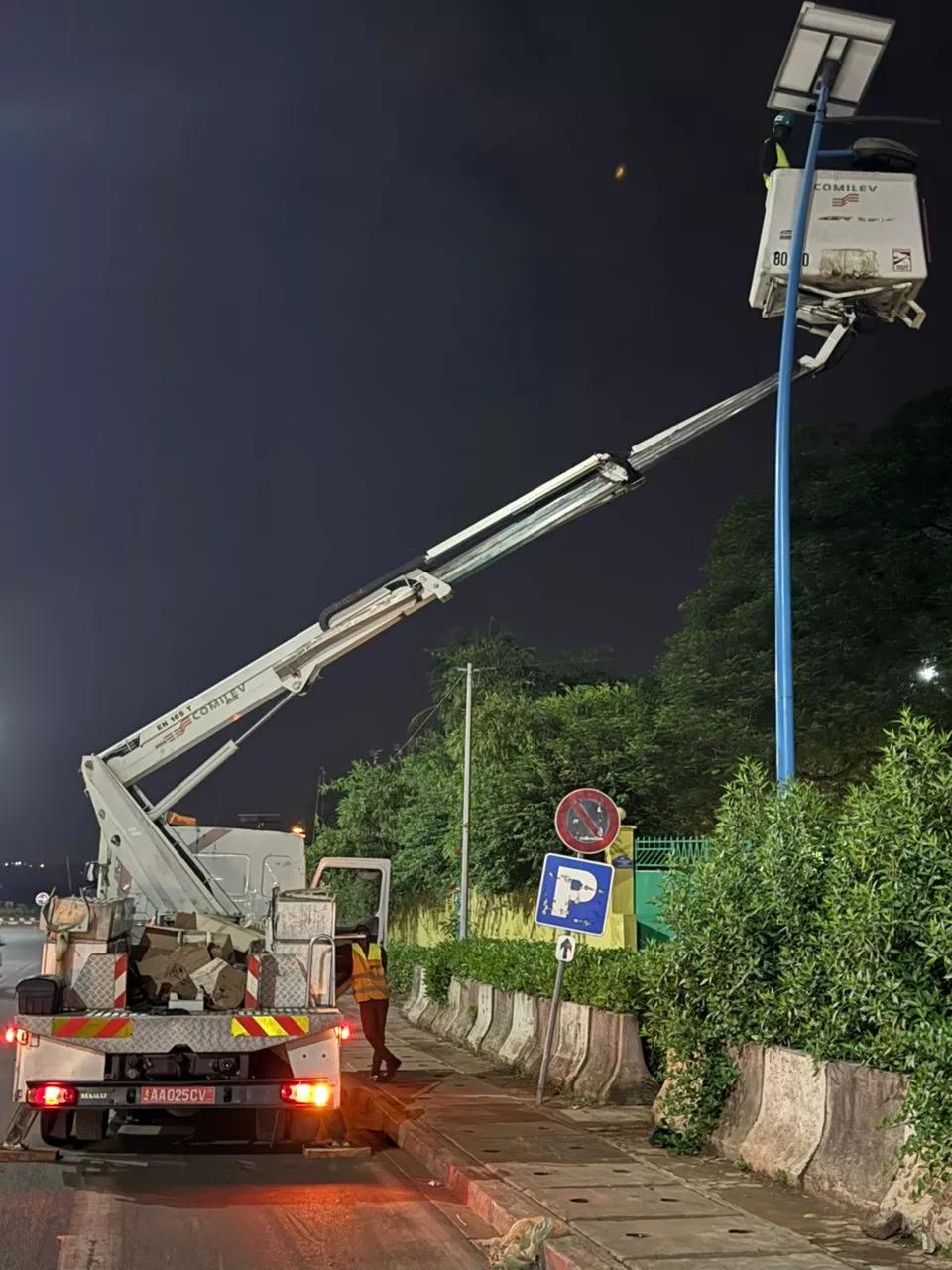
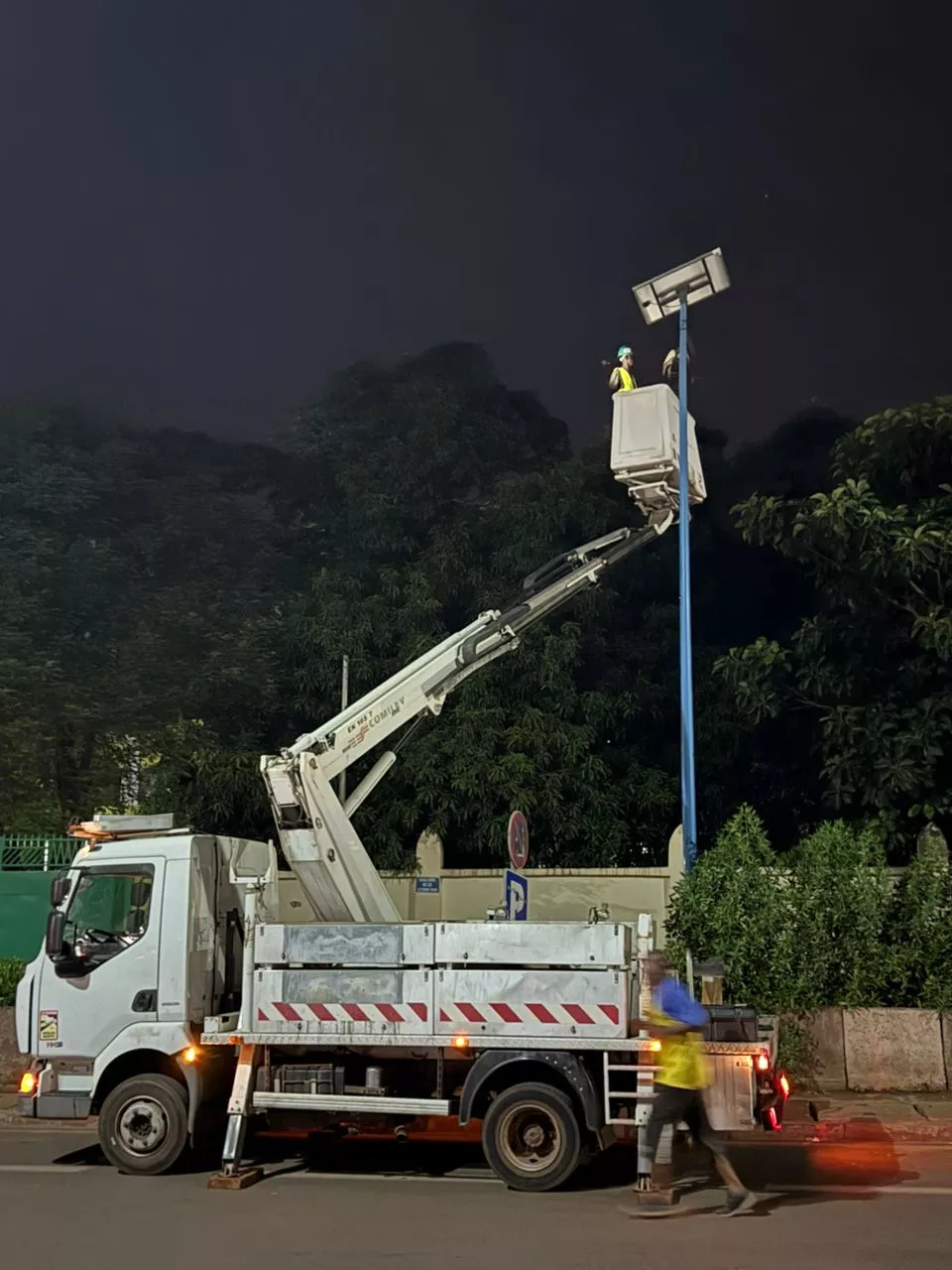
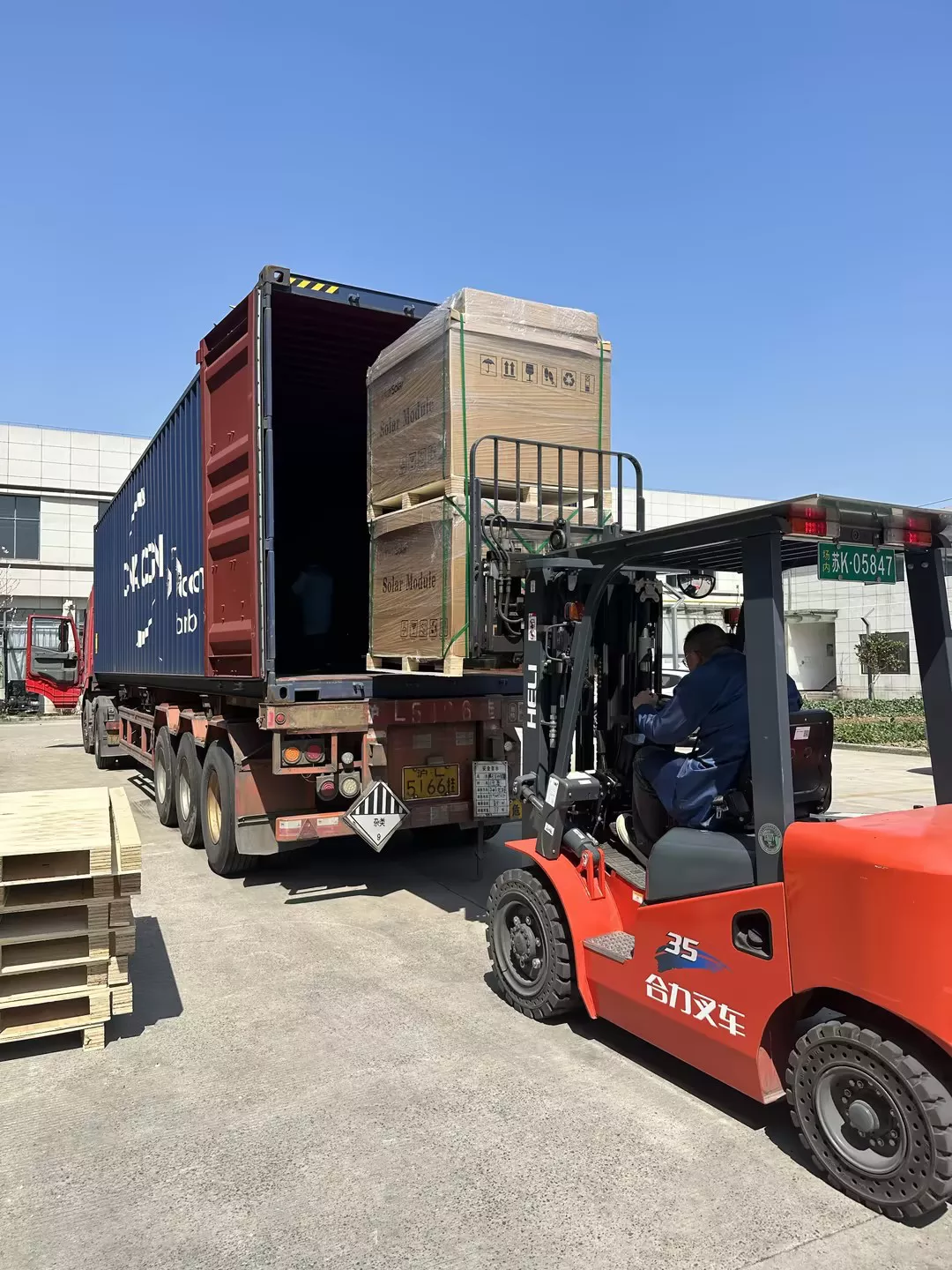
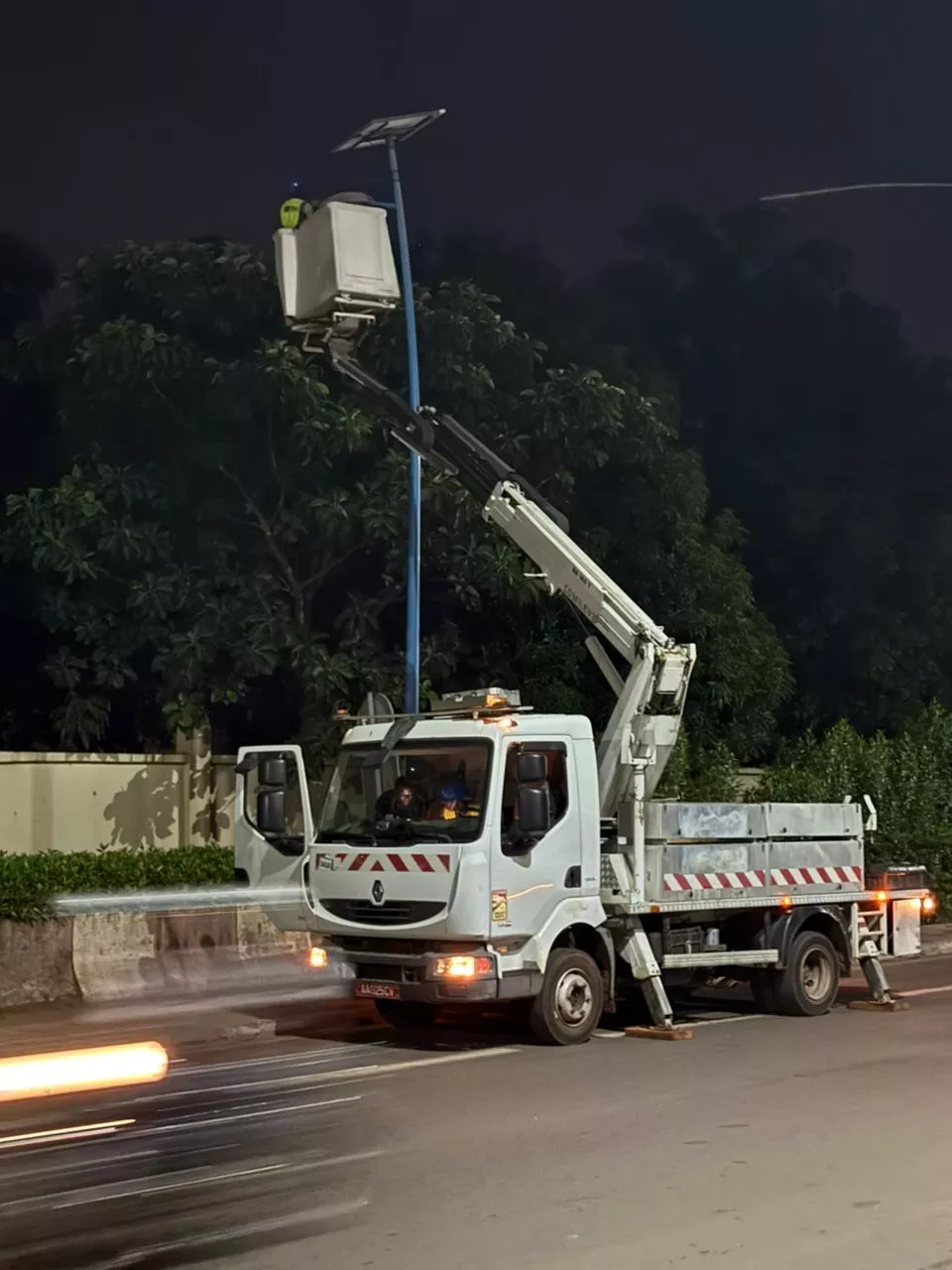
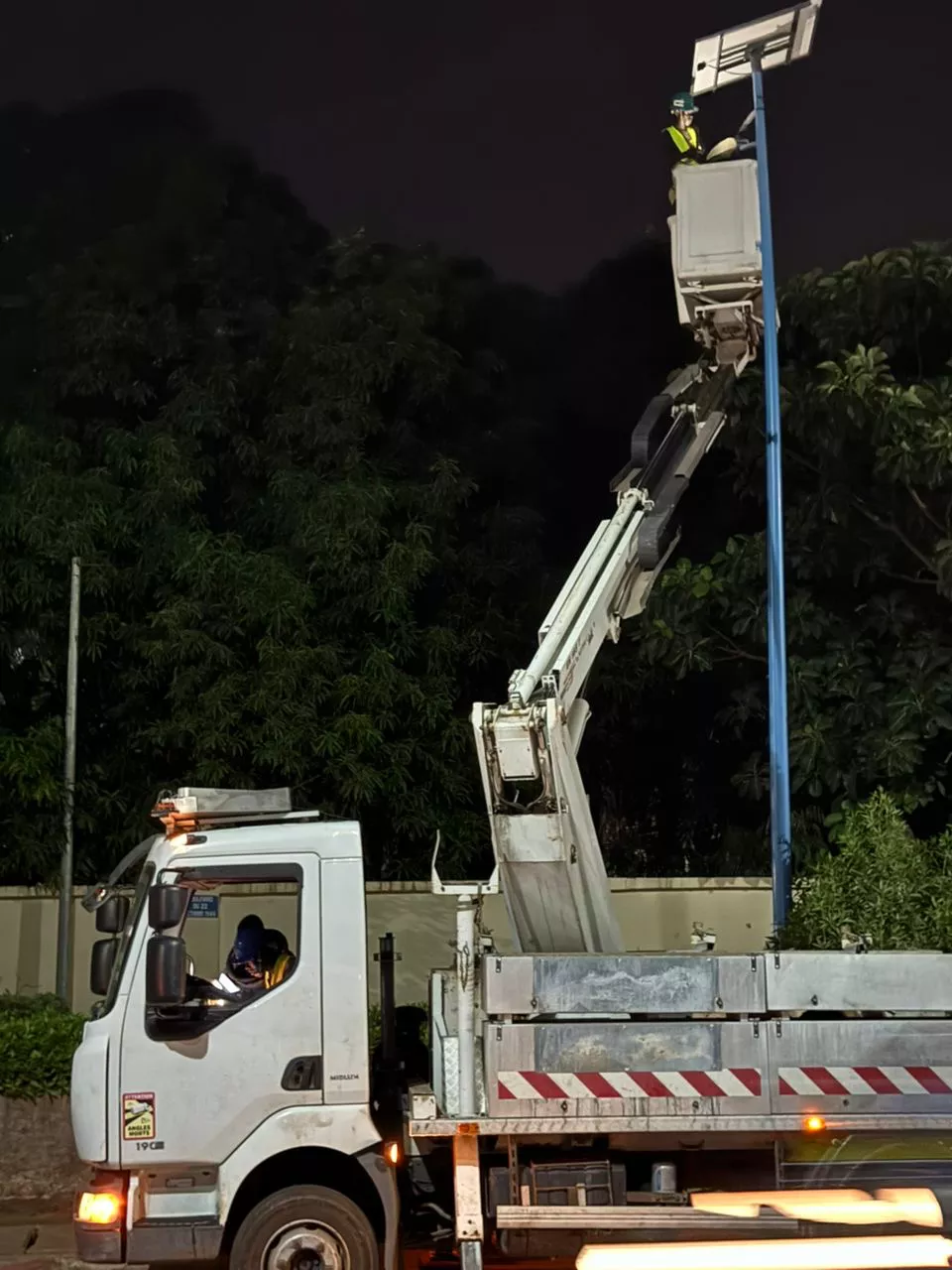
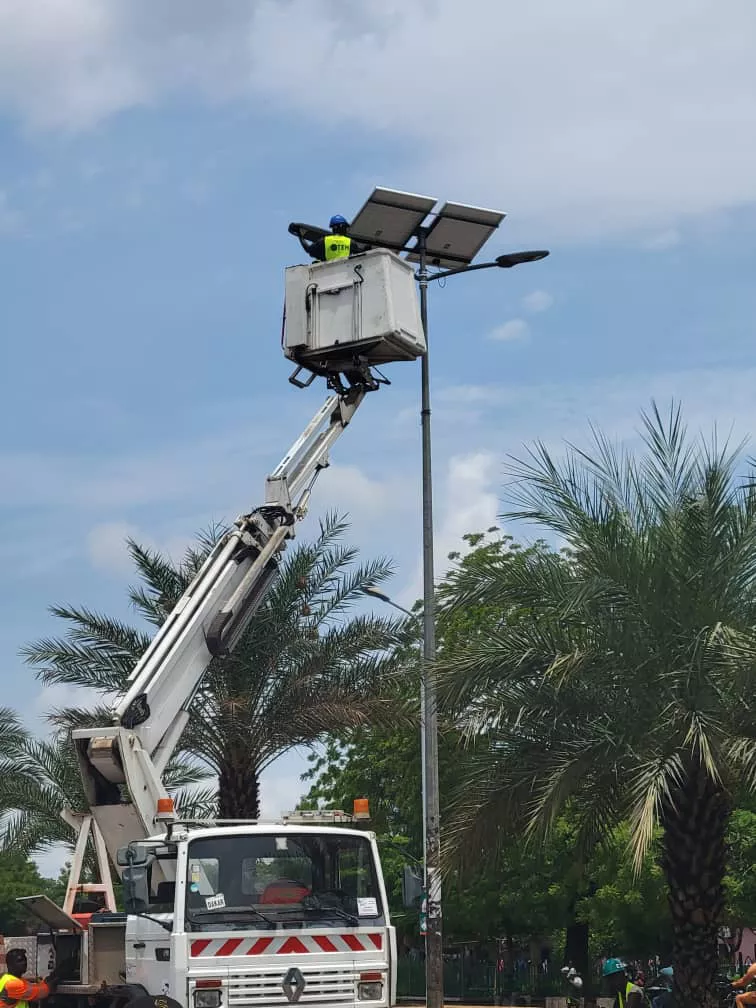
After the successful trial, the client decided on a full-scale rollout. Following careful assessment and planning, they placed an order with solar street light manufacturer Inlux Solar for 3,162 INL-AIT5 JAGUAR 150W solar streetlights, shipped in six containers.
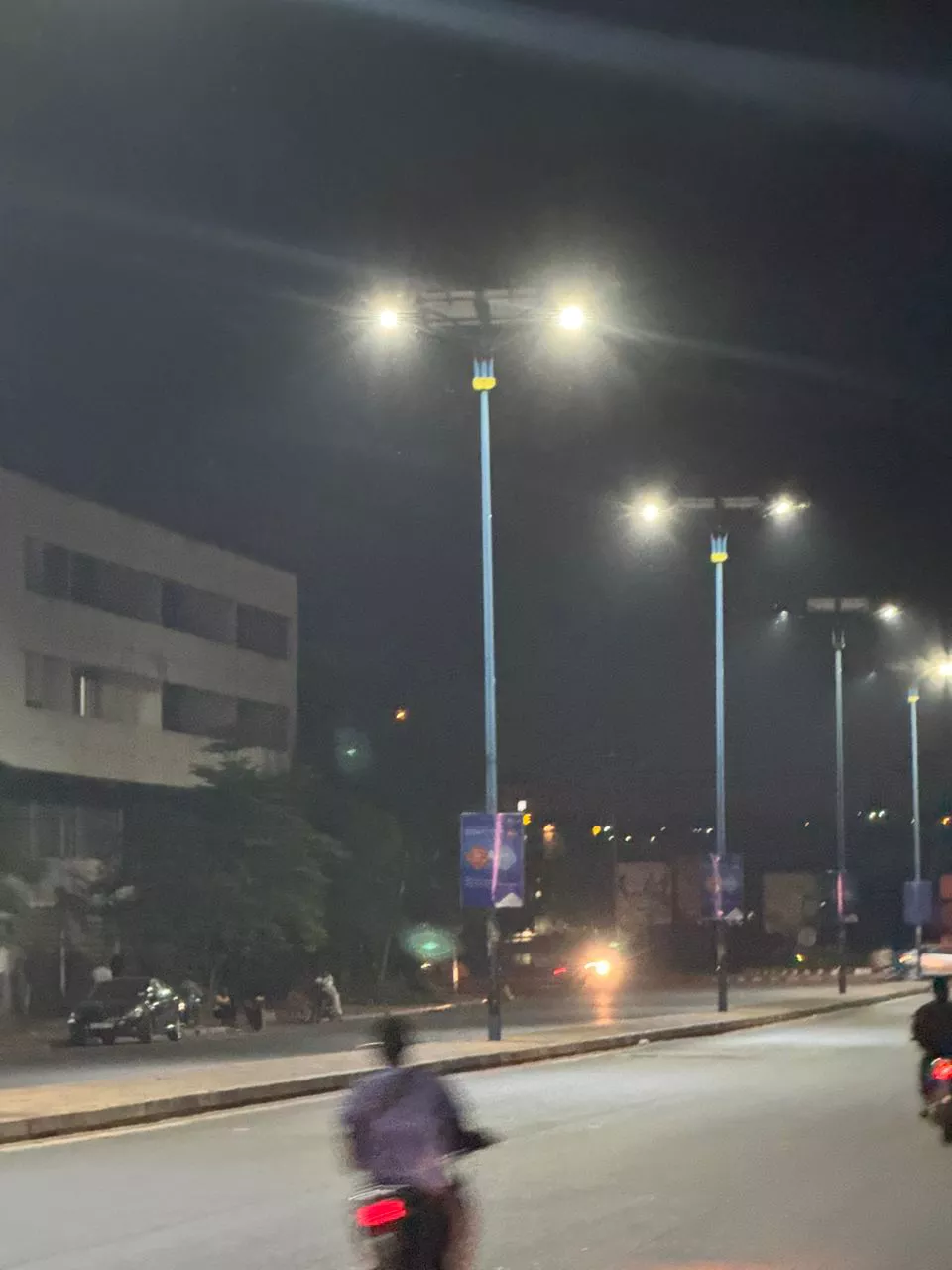
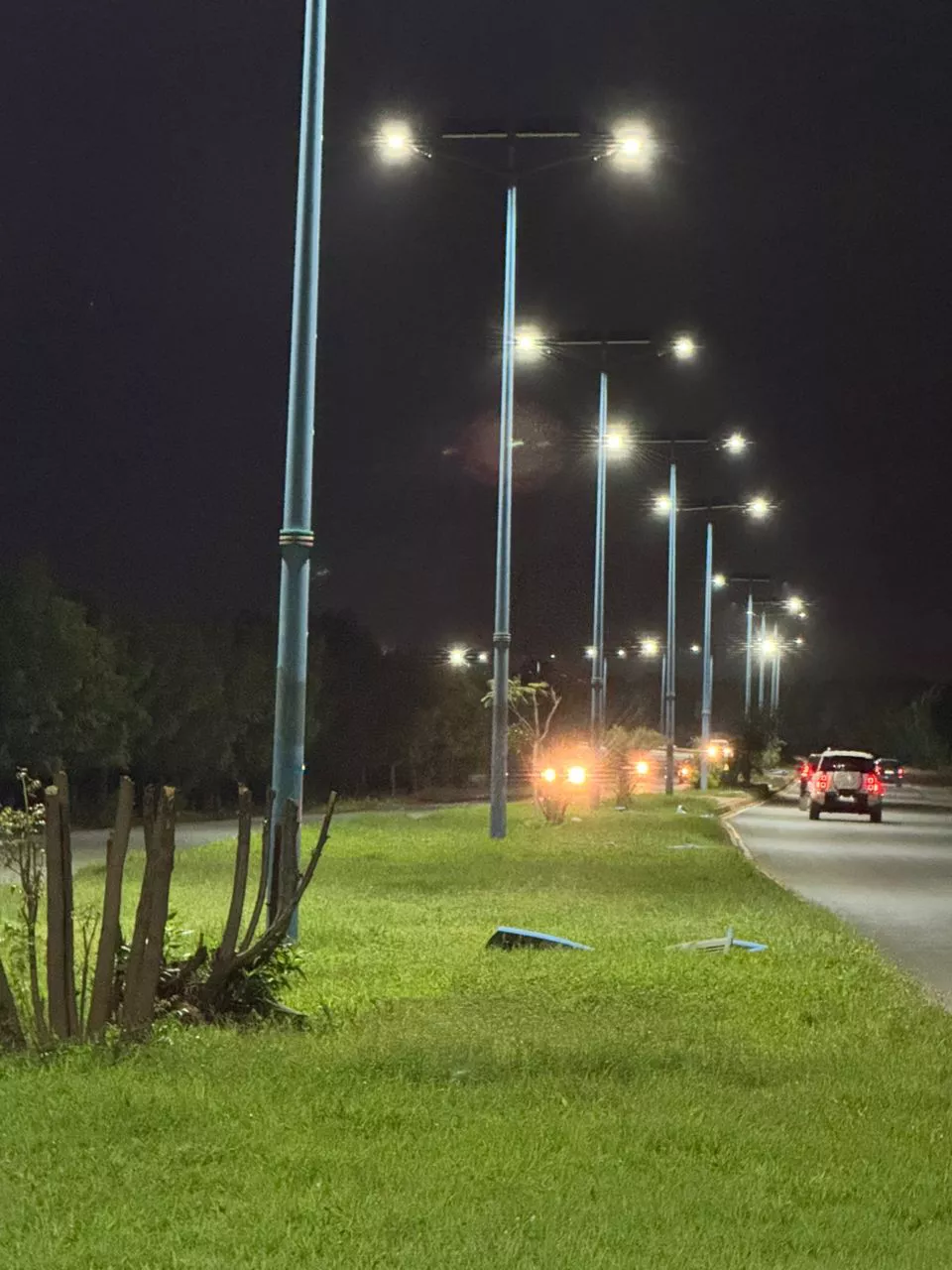
What the Numbers Mean for the City
Taking 3,162 grid-tied street lights off the municipal electricity bill is not a symbolic change. Using the same duty-cycle assumptions as our Mali solar street light engineering guide — 150 W per light, roughly 11 hours a night with adaptive dimming — an equivalent grid-connected LED fleet of this size would draw more than 1.2 GWh of grid electricity per year, now supplied entirely by sunlight. The solar rollout also required no trenching or cabling along the retrofitted roads, and dusk-to-dawn automatic control means the city’s maintenance team manages the fleet without nightly manual switching.
Municipal procurement teams evaluating similar World Bank or city-government tenders may find our solar street light procurement checklist useful for comparing supplier bids on photometric, battery, and warranty terms. For design parameters, pole spacing, and a step-by-step selection guide, see our guide to solar street lights for municipal projects.