







Industrial Solar Lighting for Factories, Roads and Yards
Industrial solar lighting for factories, warehouses and logistics sites should start with the work zones—not a fixture wattage. Inlux compares off-grid solar and grid-connected LED options for internal roads, gates, loading yards, perimeters, pedestrian routes and parking interfaces. The proposal should state the photometric criteria, operating profile, solar-energy basis, pole locations, controls, submittals and supply boundary before a model is selected.
Industrial Solar Lighting: What to Send for a Layout
A useful industrial-lighting proposal begins with a marked site plan and an operating brief. A product list alone cannot show whether the system covers a truck route, dock face, gate camera or property boundary.
| المدخلات | What to provide | Why it changes the design |
|---|---|---|
| Site and zones | Dimensions, road widths, dock faces, gates, parking, walkways and restricted areas | Defines calculation grids and separate task areas |
| Lighting criteria | Average/minimum/vertical illuminance, uniformity method, glare and spill limits | Sets the photometric pass/fail basis |
| Operating schedule | Shift hours, base level, trigger level, hold time and return behavior | Controls both visibility and the solar energy budget |
| Solar conditions | Project coordinates, shading, longest-night profile and required autonomy | Supports PV and usable-battery sizing |
| Pole and civil scope | Existing poles, height limits, setbacks, foundations, truck/crane clearance and wind/corrosion conditions | Changes spacing, aiming, structure and supply scope |
| Submittals | IES/LDT files, layout report, energy basis, order codes, test documents, drawings, warranty and spare-parts scope | Makes supplier proposals comparable |
| Commercial scope | Quantity, destination, Incoterm, delivery date, installation and commissioning responsibility | Prevents supply-only and installed-scope assumptions |
إن Better Buildings exterior-lighting controls guidance is a useful reference for schedules, photocells and occupancy-responsive controls. DarkSky Approved criteria provide a separate check on uplight, glare, over-lighting and light trespass. The signed project specification and authority having jurisdiction remain controlling.
الاستخدام مصابيح الشوارع بالطاقة الشمسية التجارية for road and off-grid product families, LED street lights for grid-fed roads, إضاءة الصاري العالي بالطاقة الشمسية for large yards, and أضواء مواقف السيارات بالطاقة الشمسية for parking-specific layouts. Review the existing container warehouse project reference, then send the site plan for an RFQ.
Industrial Solar Lighting Design Inputs

Risk-Based Targets
Set lighting classes and levels by traffic speed, conflict points and tasks, not road width alone.

Standards Alignment
الاستخدام EN 13201 / IIS RP-8 for internal roads and EN 12464-2 for outdoor work areas; reference IES G-1 for security/CCTV needs.

Uniformity & Ratios
Hit practical U₀/Uᵢ targets to avoid dark patches that cause visual fatigue and safety incidents.

التحكم في الوهج والانسكاب
Specify low-BUG optics (TM-15) and cut-off distributions to protect drivers, workers and neighbors.
CCTV Integration
تأكد من vertical/semicylindrical illuminance for facial recognition and color fidelity at gates and corridors.
CCT/CRI Choices
Set CCT and CRI from the work task, camera requirements, environmental limits and local specification; confirm the quoted luminaire’s tested values instead of applying one range to every zone.
Mounting Strategy
Choose heights/offsets that clear trucks and cranes while maintaining spacings for uniformity.
Controls & Dimming
Use schedules, sensors and adaptive dimming for off-hours energy savings without compromising safety.
Durability
Match ingress, impact, surge and corrosion requirements to the site, then request the exact model’s applicable test documents and finish specification in the submittal.
استراتيجية الطاقة
Pick solar for off-grid/backup resilience (autonomy days sized to climate) or صمام التيار المتردد where grid is stable.
How to Design Industrial Solar Lighting

Layered Lighting
Separate road, yard and entry tasks so each can be controlled and maintained independently.

Keep Light On Task
Use back-light shields/zero-uplight optics to meet BUG limits and minimize spill.

Consistent Sightlines
Place poles outside impact zones and maintain even pole-to-pole rhythm to guide drivers.

Uniformity First
Prioritize uniformity before raising average illuminance; it improves safety with less power.

CCTV-Ready
Design for Ev targets and avoid glare in camera FOV to reduce motion blur and artifacts.
Adaptive at Night
Step down levels when traffic drops; restore instantly on detection.
Maintainability
Favor tool-less access, standard drivers/LED engines, and local spare part availability.
Lifecycle Costing
Compare options by TCO (energy + maintenance + downtime), not fixture price alone.
Industrial Lighting by Factory Zone
Fence Lines
Low-spill cut-off optics keep light on the perimeter and support CCTV with adequate vertical illuminance.
Gates & Guardhouses
Higher uniformity, CRI ≥80 and camera-friendly CCT for ID checks and plate recognition.
Truck Routes & Internal Roads
Roadway distributions (Type II/III) sized to site speeds and conflict density.
Loading Docks & Yards
Broad beam patterns for maneuvering areas with task-based boosts at dock faces.
Walkways & Muster Points
Pedestrian-centric uniformity with glare control and emergency egress cues.
Camera Corridors
Even vertical light on faces/vehicles; avoid backlight that blinds sensors.
Parking Interfaces
Transition zones between roads and lots with smooth luminance gradients.
Hazardous/ATEX Zones
Use explosion-proof families and strict spill control to protect processes and staff.
Industrial Solar Lighting Deliverables
- Photometric Layout — calculation grids, stated assumptions, average/minimum results, uniformity method, glare/spill checks and the IES/LDT file used. Professional stamping, where required, must be separately defined for the project jurisdiction.
- Security Metrics — Vertical & semicylindrical illuminance checks for gates and camera corridors (IES G-1).
- Pole & Optics Schedule — Heights, spacing, optics, and foundations with wind/EPA notes.
- Controls Profile — base/boost levels, trigger logic, hold time, return behavior and schedule, with the energy calculation basis stated separately.
- Requirements Matrix — project clauses mapped to the proposed model, document reference, supplier response and any declared exception; final compliance is confirmed against the issued specification and authority requirements.
- BOM & Submittals — Datasheets, warranties, IES files, and installation drawings.
Industrial Solar Street Light Product Families

جاكوار (INL-IT5)
مصابيح LED عالية الإنتاجية الكل في اثنين مع 5050 مصباح LED، ومصابيح LiFePO4 كبيرة، وبصريات متطورة - مصممة للطرق السريعة والطرق الرئيسية.

فالكون (INL-IT6)
إخراج متوسط، بصريات متعددة الاستخدامات، تركيب سريع - مثالية للشوارع والممرات والساحات.
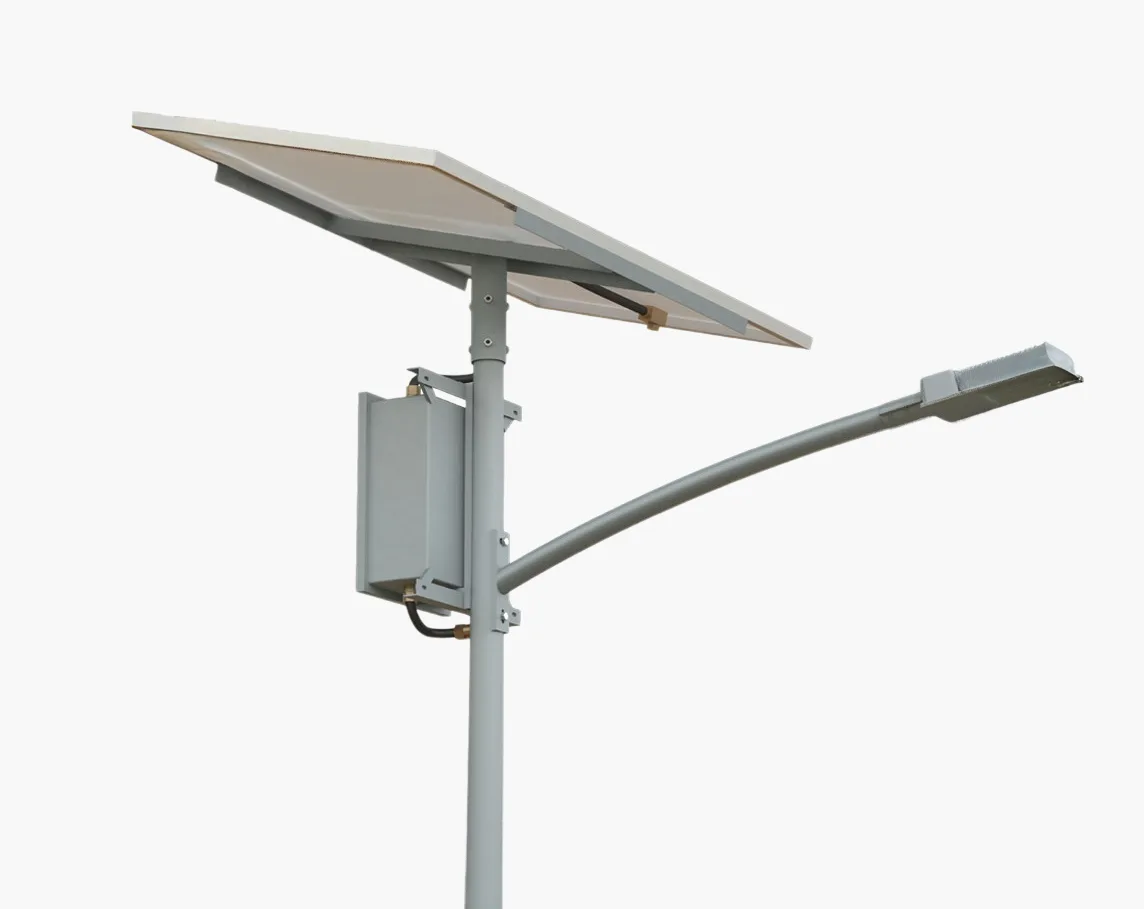
مقاوم للانفجار
Hazardous areas require a separately reviewed configuration. Confirm the zone/classification, ambient conditions, exact order code, applicable certificate scope, cable entries, control equipment and installation responsibility before treating a product as suitable.
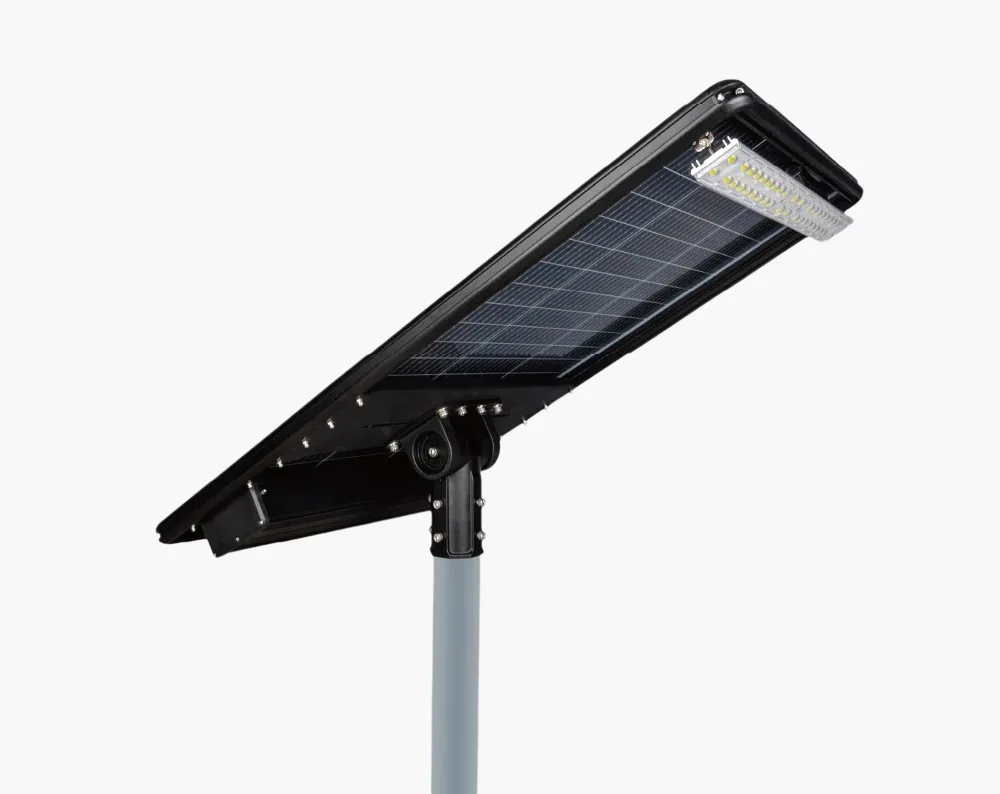
سيريوس (INL-AIO9)
جهاز AIO عالي الإخراج مع رأس قابل للضبط، وبصريات من النوع الثاني/الثالث، ومصابيح LED 5050 ومصابيح LiFePO4 - مصممة للطرق ذات الاتجاهين والطرق السريعة.
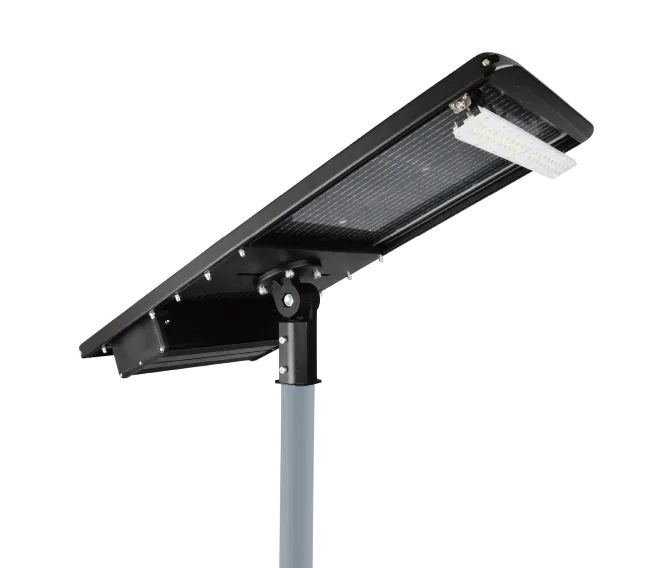
المجرة (INL-AIO6)
وحدات AIO المعيارية للمخرجات الصغيرة إلى المتوسطة؛ 5050 مصباح LED، و LiFePO4 وحركة اختيارية/إنترنت الأشياء - سهولة الصيانة للشوارع والممرات ومواقف السيارات.
منتجات إضاءة الشوارع LED الموصى بها
اكتشف حلول إضاءة الشوارع بمصابيح (ليد) الخاصة بنا المصممة لسيناريوهات إضاءة الحدائق والمنتزهات الترفيهية. يمكن تخصيص جميع هذه المنتجات وفقًا لمتطلبات مواصفات مشروعك.

INL-LED25 - مصباح الشارع LED
حزم بقدرة 100-200 واط وبصريات الطرق ومحركات تشغيل جاهزة للتحكم للطرق الرئيسية والتجميعية.

INL-LED22 - مصباح الشارع LED
منصة متعددة الاستخدامات بقدرة 60-200 واط مع خيارات توزيعات الطرق والتحكم.
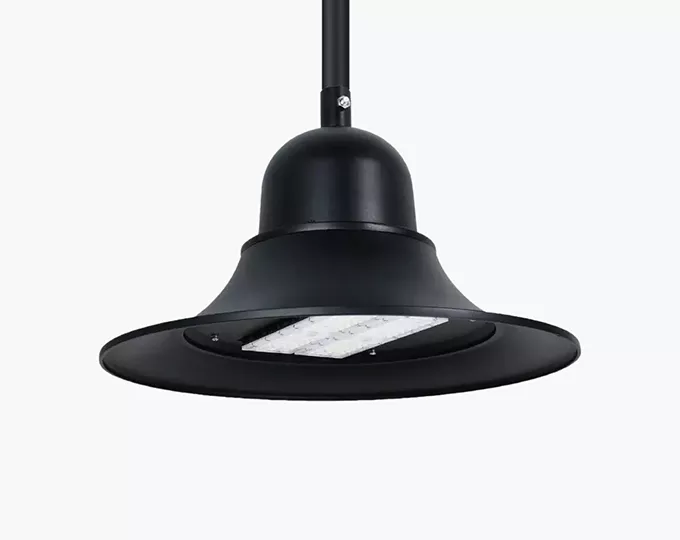
INL-DSL01 – Decorative Street Light
تصميم كلاسيكي بعمود علوي كلاسيكي مع بصريات مريحة للحدائق والشوارع السكنية؛ جاهز للتحكم وملائم للصيانة.
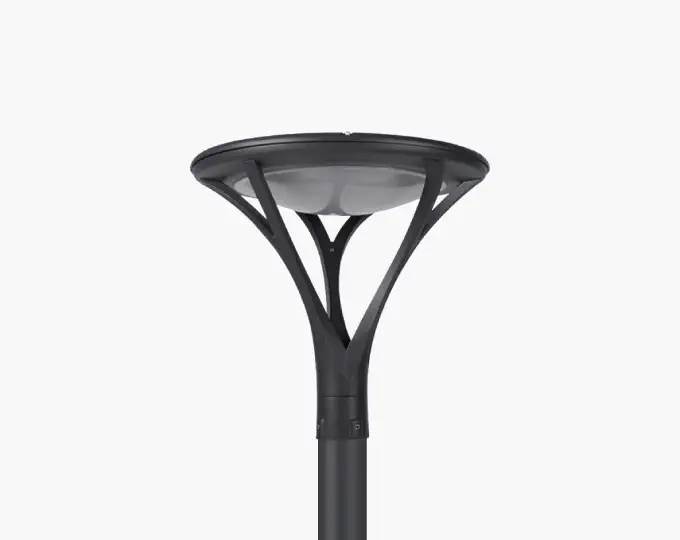
INL-DSL02 - مصباح الشارع المزخرف INL-DSL02 - مصباح الشارع المزخرف
مظهر عصري للحرم الجامعي والساحات العامة؛ خيارات متعددة للتوزيعات والتحكم للحصول على أجواء ليلية متناسقة.
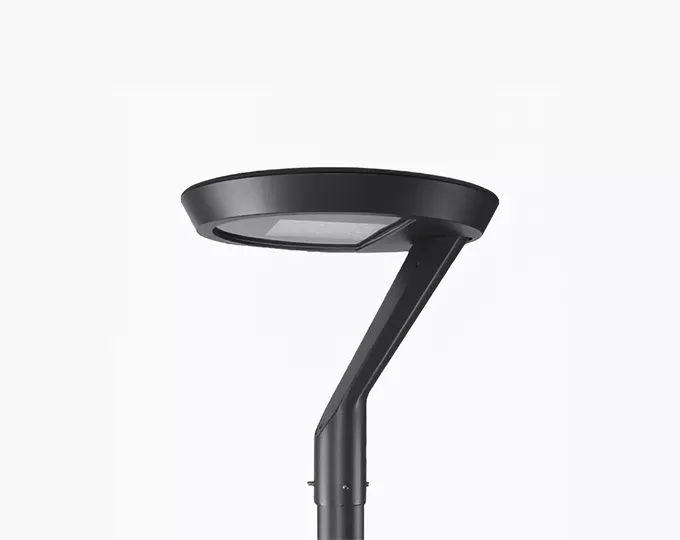
INL-DSL04 - مصباح الشارع المزخرف INL-DSL04 - مصباح الشارع المزخرف
سطح عمود LED حديث مزود بـ وحدة إضاءة قابلة للفصل للصيانة السريعة؛ مثالية للمتنزهات والساحات والحدائق.