







Solar Street Light Factory: Production and Quality Control
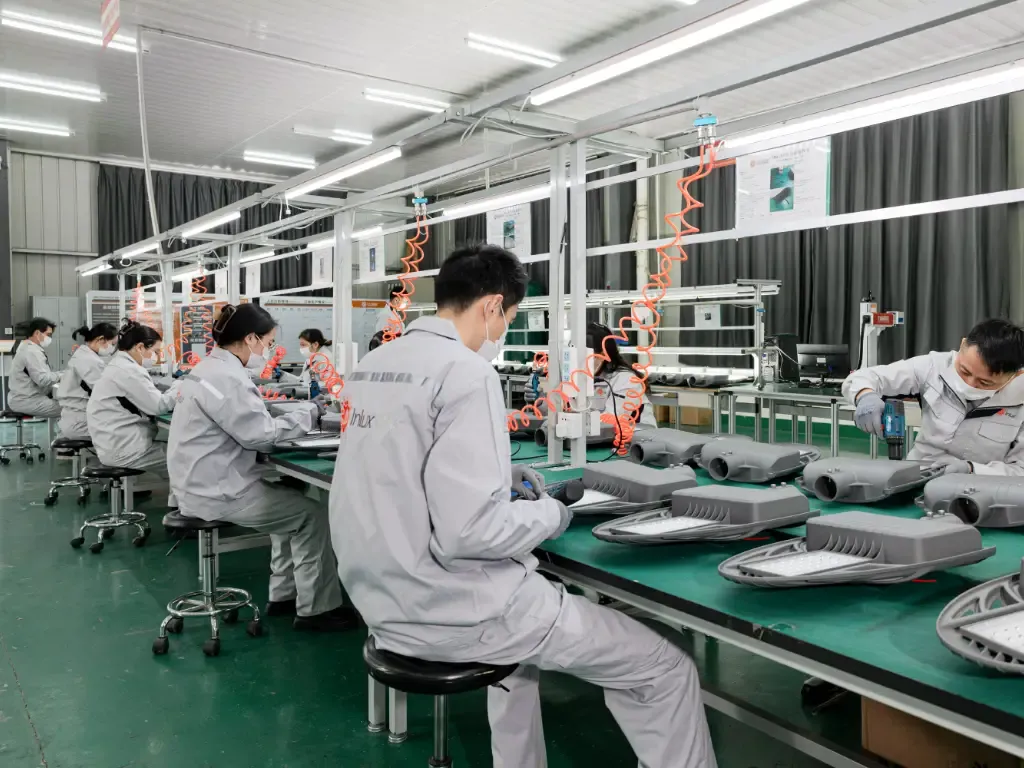
Inlux Solar operates a 28,000 m² solar street light factory with production lines for PV modules, LED luminaires, lithium battery packs, controllers and light poles. Capacity is 20,000 sets per month. Project buyers can review the production, quality-control, documentation, packing and delivery scope before an RFQ. The standard warranty is five years; current company-level metrics are ≤0.3% field failure and ≥99.5% on-time delivery.
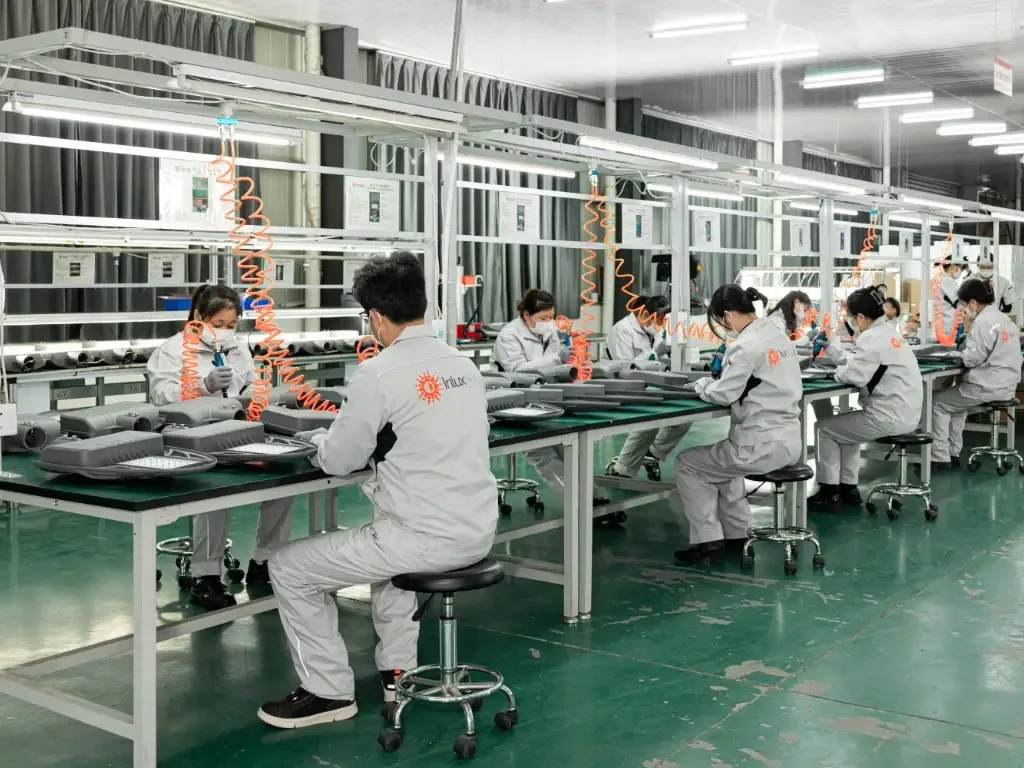
Solar Street Light Factory for Municipal and EPC Buyers
Founded in 2019, Inlux Solar manufactures project-grade solar street lighting for municipal, EPC, distributor and commercial buyers. The company has delivered more than 300,000 total units across 1,000+ projects in 60+ countries. A useful factory review should still examine the quoted model, bill of materials, drawing revision, test scope, packing and delivery terms rather than relying on company totals alone.
Certified by:

Discover Inlux Solar Key Highlights

60+ patents and 300+ certifications in total
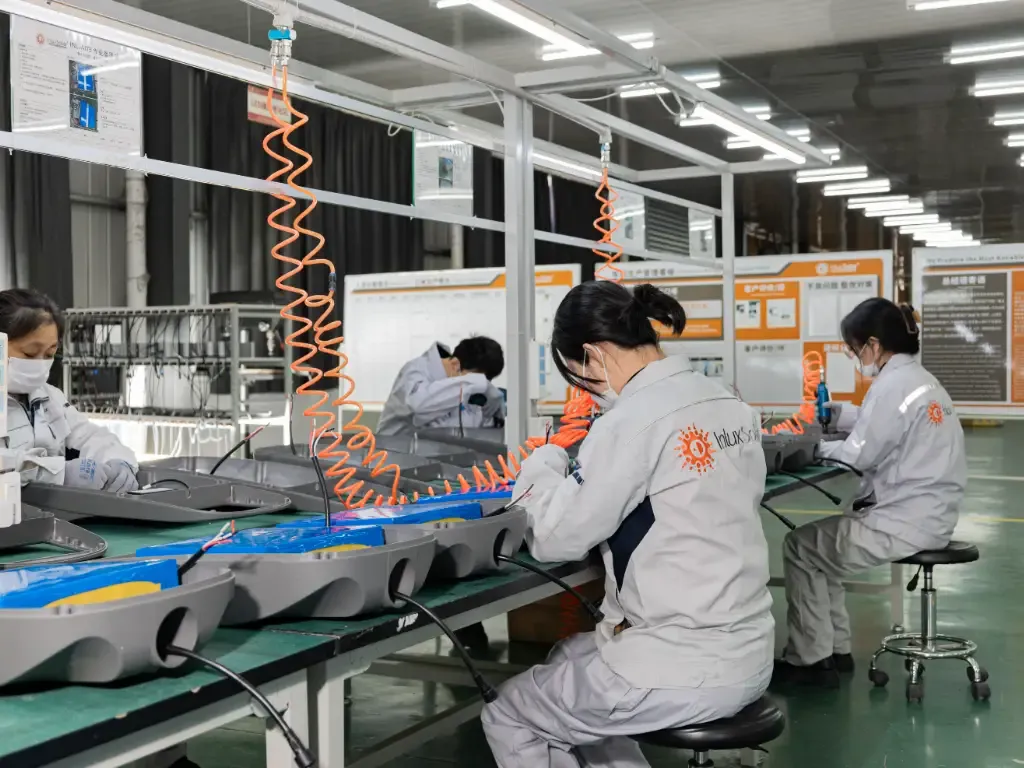
5-year standard warranty; ≤0.3% field failure; ≥99.5% on-time delivery
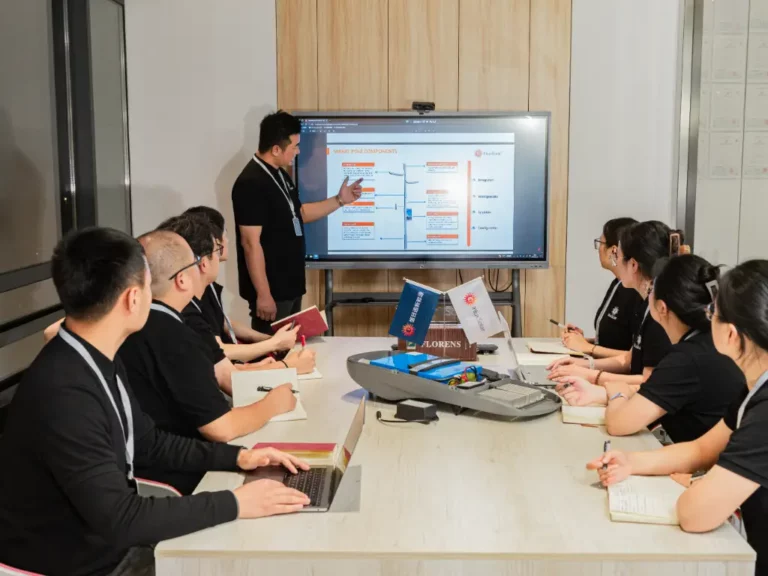
30+ engineers and about 10% R&D investment

200+ staff supporting production and project delivery

28,000 m² factory and 20,000 sets/month capacity
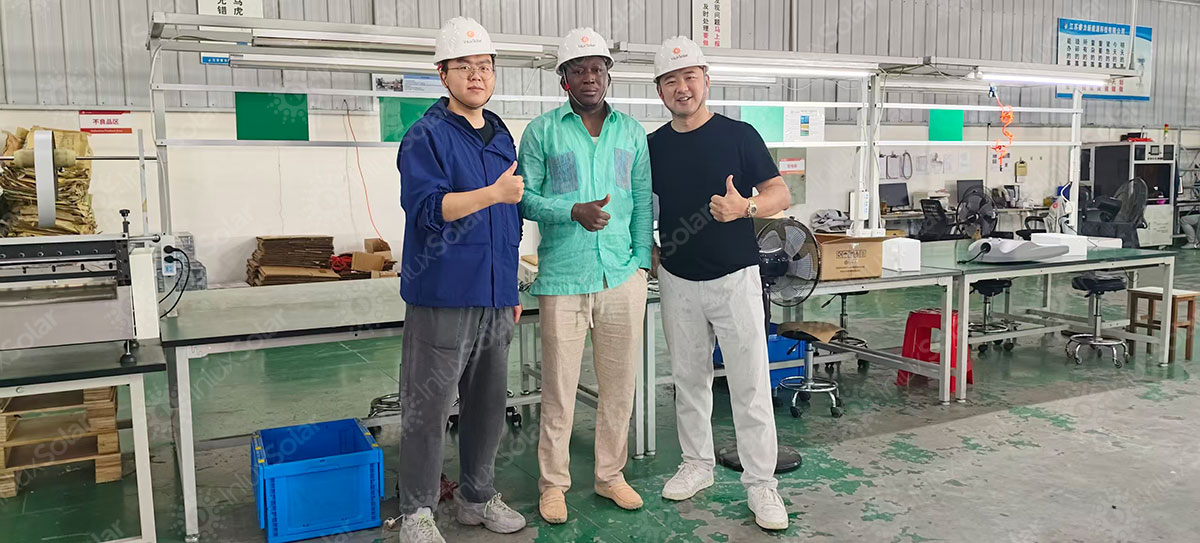
300,000+ total units across 1,000+ projects in 60+ countries
What to Verify at a Solar Street Light Factory
A solar street light factory audit is useful when it connects the production floor to the exact product, order and acceptance documents. A clean workshop photo is helpful context, but it does not by itself confirm the battery cell, controller logic, LED bin, pole finish, test method or packing scope in your quotation.
| Factory stage | What to inspect | What to request for the RFQ |
|---|---|---|
| Project intake | How site data, operating hours, autonomy, pole geometry and photometric criteria become an approved configuration | Input sheet, responsibility matrix, selected architecture and open technical items |
| فاتورة المواد | How the quoted model and approved sample are tied to component descriptions and revision control | Order code, BOM revision, approved substitutions and change-control process |
| PV module work | Cell/module identification, assembly stage, visual inspection and electrical checks applicable to the quoted product | Module rating, dimensional drawing, relevant test record and traceability reference |
| LED luminaire work | LED/optic/driver identification, assembly, sealing, thermal path and functional inspection | IES/LDT file, electrical rating, ingress/impact evidence where required and inspection criteria |
| Battery pack work | Cell and BMS identification, pack assembly, protection settings, enclosure and incoming/final checks | Usable energy basis, cell/BMS scope, safety transport documents and approved pack drawing |
| Controller work | Charging profile, lighting schedule, protection logic, communication option and firmware/revision control | Controller model, programmed schedule, settings sheet and communication responsibility |
| Pole and bracket work | Material, fabrication, weld, galvanizing/coating, interfaces and inspection scope for the project environment | Approved drawing, structural design basis, material/finish requirements and anchor/foundation boundary |
| Final inspection | Configuration check, function test, labeling, documentation match and release status | Inspection and test plan, acceptance record, serial/batch traceability and nonconformance process |
| Packing and shipment | Protection of panels, luminaires, batteries, poles and accessories through the agreed transport route | Packing list, package method, battery transport scope, Incoterm, destination and delivery sequence |
Factory Visit Checklist
- Send the project location, road or site geometry, operating profile, quantity and target delivery date before the visit.
- Choose one quoted model and trace it from drawing and BOM to the production and test records shown during the audit.
- Confirm which processes are performed at this site and which components or tests come from approved external suppliers or laboratories.
- Check revision control: the sample, quotation, drawing, BOM, firmware/settings and packing list should refer to the same configuration.
- Review how nonconforming material is identified, isolated, corrected and prevented from entering released orders.
- Ask how inspection instruments are identified and how calibration or verification status is maintained for the relevant test.
- Review the actual packing method for the destination, including long poles, PV glass, batteries, spare parts and document pouches.
- Record open items, responsible parties and due dates. A solar street light factory visit should end with a controlled action list, not a verbal promise.
Documents to Request Before Approval
Use the Inlux manufacturer audit checklist to prepare the visit. Then compare the exact model and order against the applicable certifications and patents, quality-control scope و packing and shipping process. Certification and test evidence must identify the holder, model or product scope, standard edition, issuing body or laboratory and validity relevant to the project.
For external verification context, the International Accreditation Forum explains the role of accredited management-system and product-conformity bodies, while the International Laboratory Accreditation Cooperation explains the international laboratory and inspection accreditation framework. These links do not certify Inlux or a quoted model; they help buyers understand what to verify on a certificate or test report.
Send a Comparable Factory RFQ
When comparing one solar street light factory with another, send the same inputs and require the same response structure. At minimum include:
- project location, application, road/site geometry and environmental conditions;
- lighting criteria, operating hours, dimming profile, autonomy and solar resource basis;
- pole, foundation, bracket, battery enclosure and installation responsibility;
- quantity, approved architecture, required documents, tests, spares and warranty terms;
- destination, Incoterm, packing, delivery sequence, commissioning and acceptance scope.
Review the solar street light range and the separate OEM/ODM manufacturing page, then send the project inputs or request a factory visit. The quotation should state assumptions, inclusions, exclusions and document deliverables for the selected order code.
Solar Street Light Factory Production Scope
This solar street light factory page documents production work across PV modules, LED luminaires, lithium battery packs, controllers and light poles. For a buyer, the important step is to define which operations, tests and records apply to the quoted model and order. Ask for the bill of materials, drawing revision, sample-approval status, inspection plan, packing method and project delivery schedule in the quotation.


Solar Street Light Technology Center
Explore the core technologies behind Inlux Solar street lighting systems, including solar panels, LiFePO4 batteries, MPPT controllers, LED optics, IoT monitoring, harsh environment protection, and DIALux-based photometric simulation.
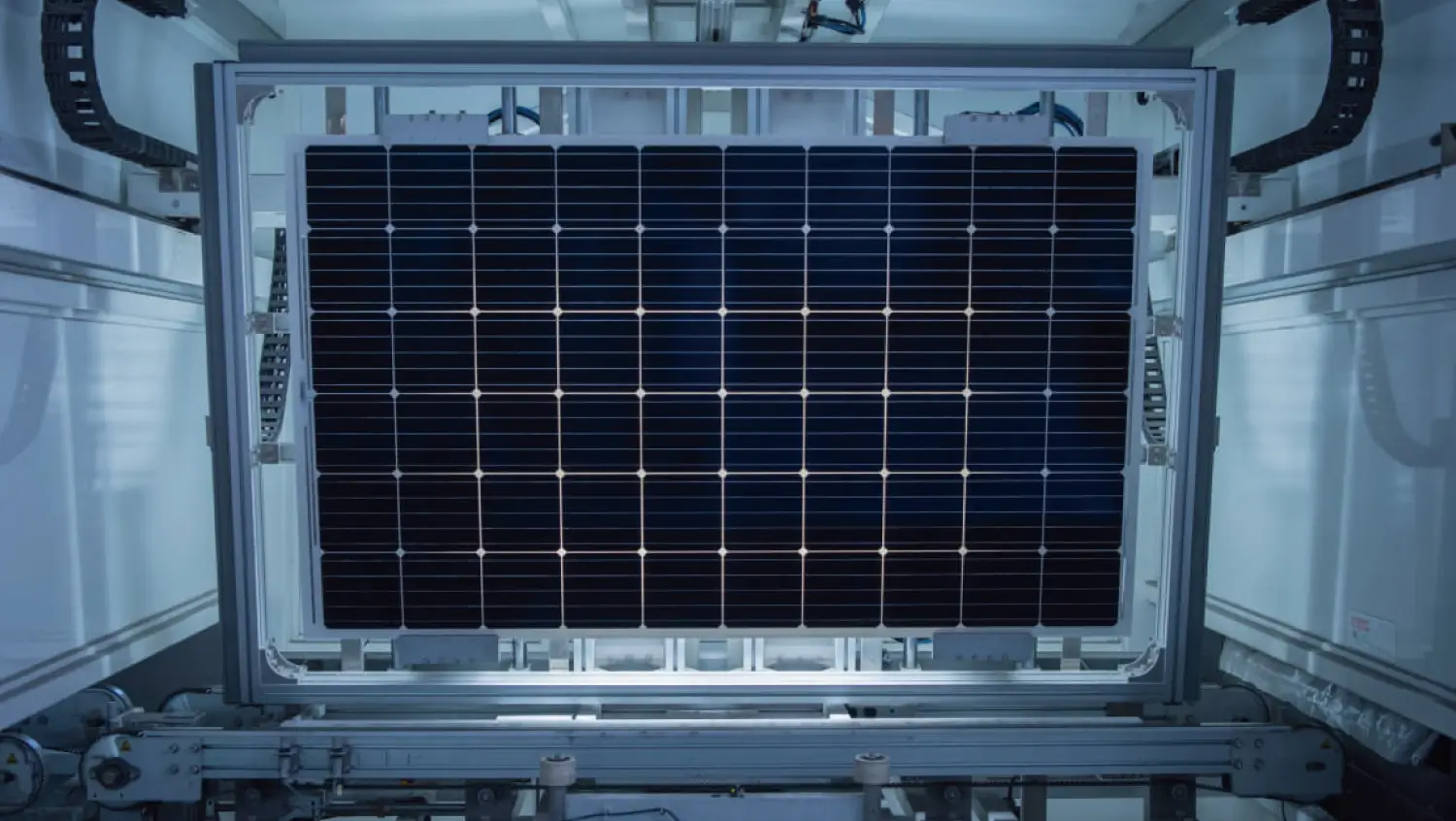
Solar Panel Technology for Street Lighting

Smart IoT Solar Street Lighting
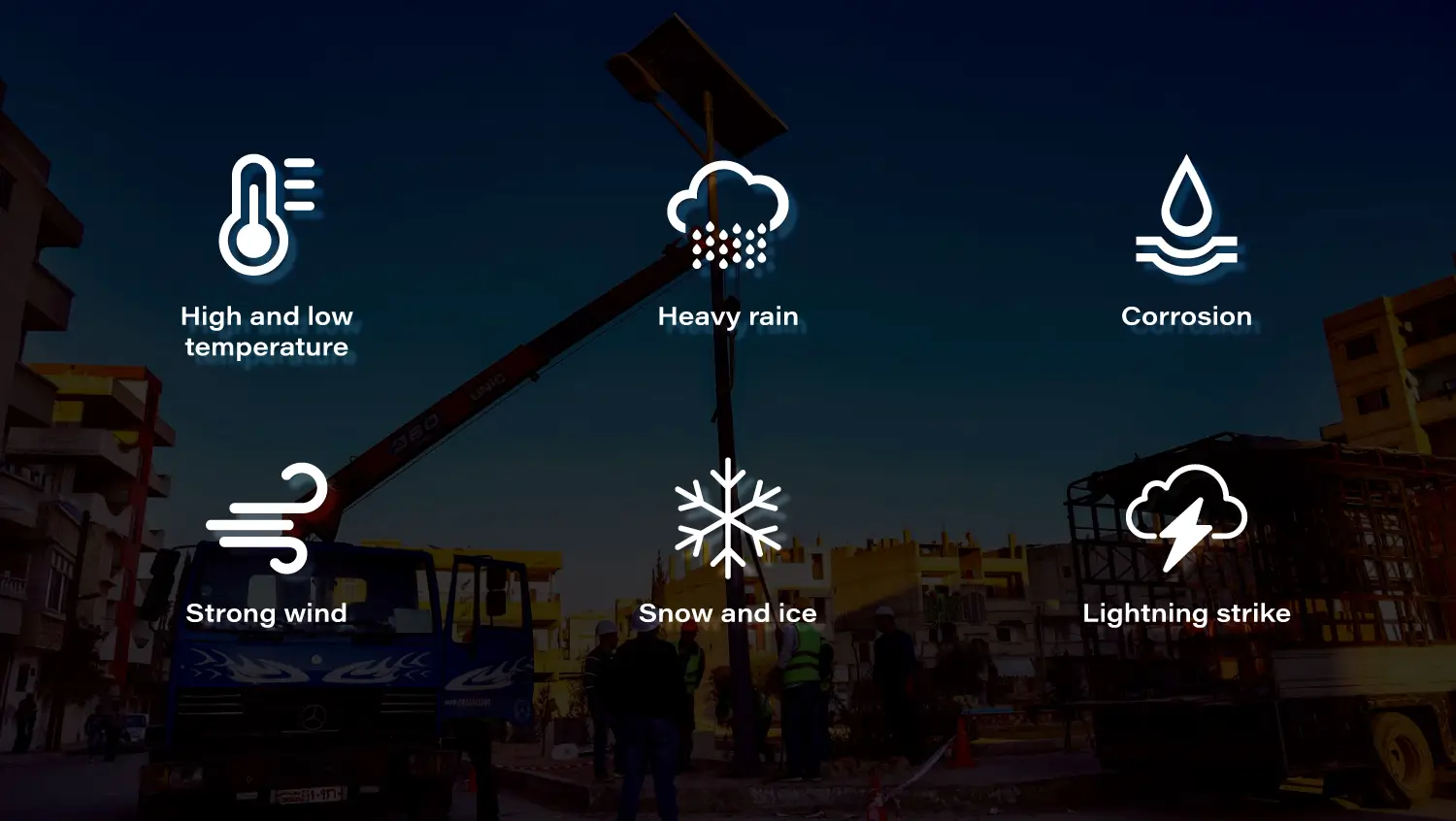
Harsh Environment Protection

DIALux & Photometric Simulation
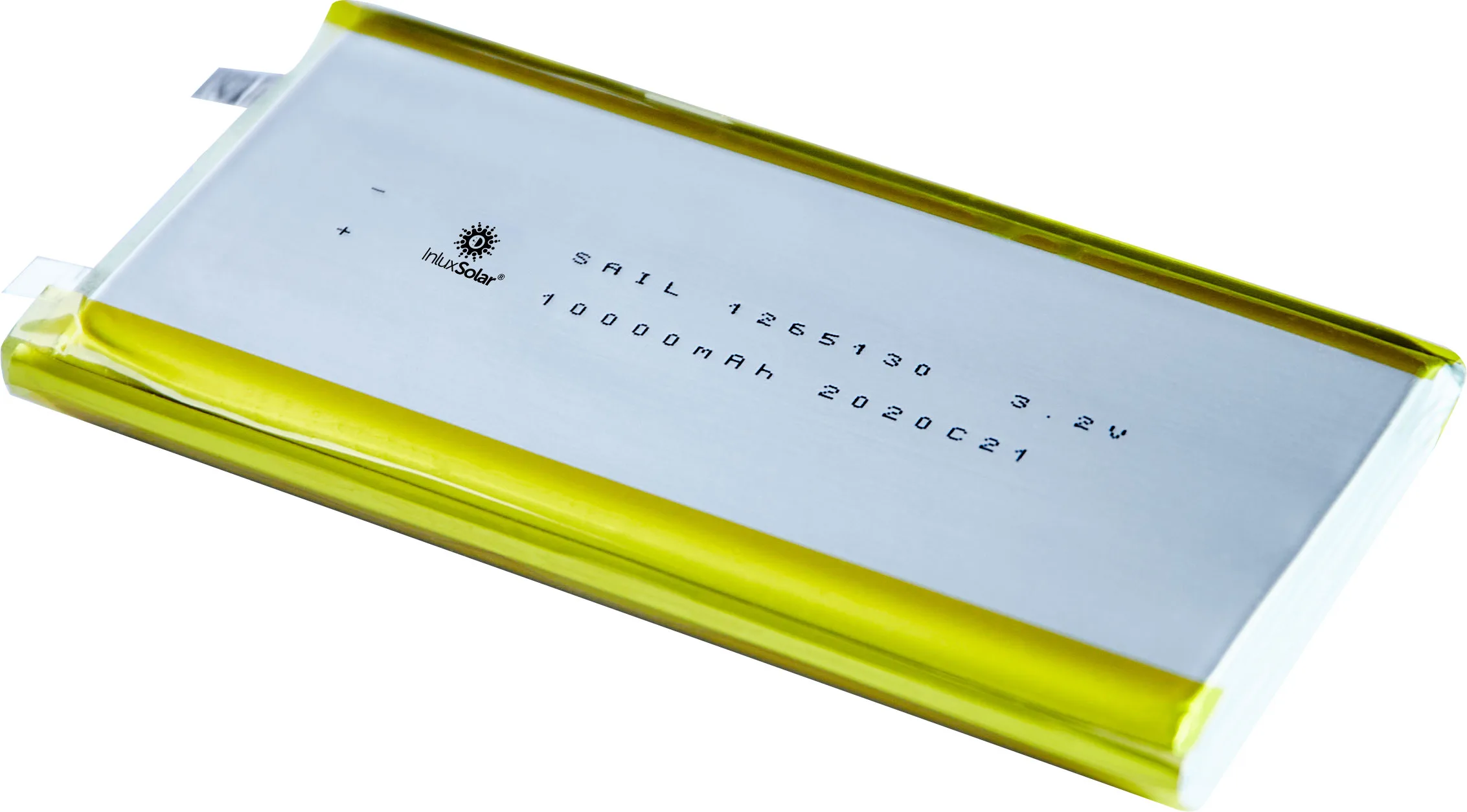
LiFePO4 Battery Technology

LED Optics & Thermal Management
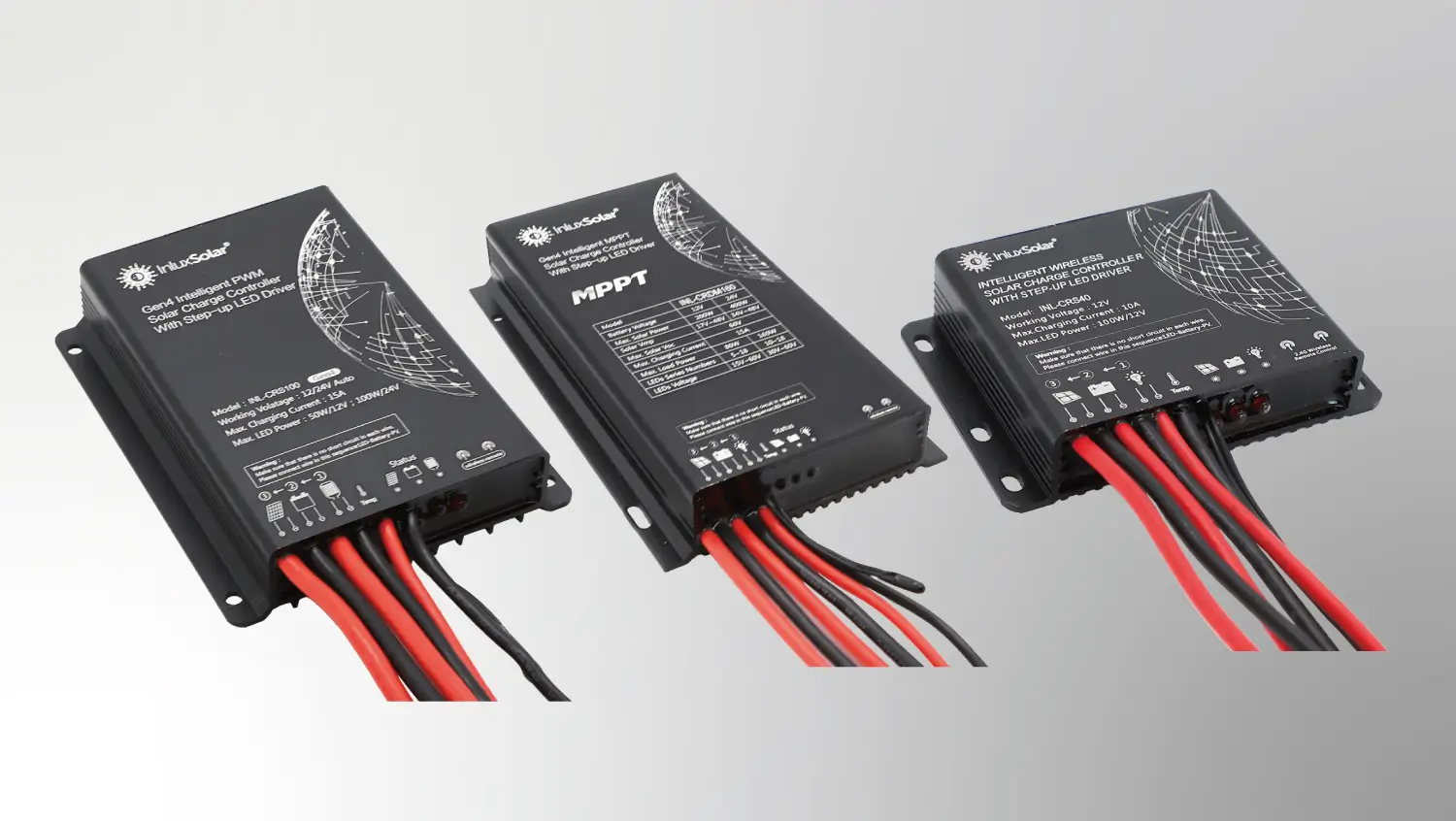
MPPT Controller Technology
الاعتبارات الرئيسية

Consistent Quality
The current factory-stability metric is 99.95%. For an order, quality remains tied to the approved model, BOM revision, inspection plan, acceptance criteria and traceable release records.

Technical Support
Inlux has 30+ engineers and invests about 10% in R&D. Project support should still identify the responsible engineering files, assumptions, revision status and items requiring local professional approval.

