In a significant humanitarian and developmental initiative led by the World Bank, solar-powered streetlights are progressively being installed across the historically underserved and poverty-stricken Sahel region, specifically at the intersection of Mali, Niger, and Burkina Faso. This vital project is not merely illuminating roads but is also rekindling hope and fostering a sense of normalcy in an area deeply scarred by conflict and economic hardship.
Estado de la instalación del proyecto
- Product Deployed: AIT5 Jaguar All-In-Two solar street light
- Key Specification: 7m lighting pole / 60W LED Lamp
- Battery:50AH/25.6V
- Quantity:9000 units
- Date:2025-6-11
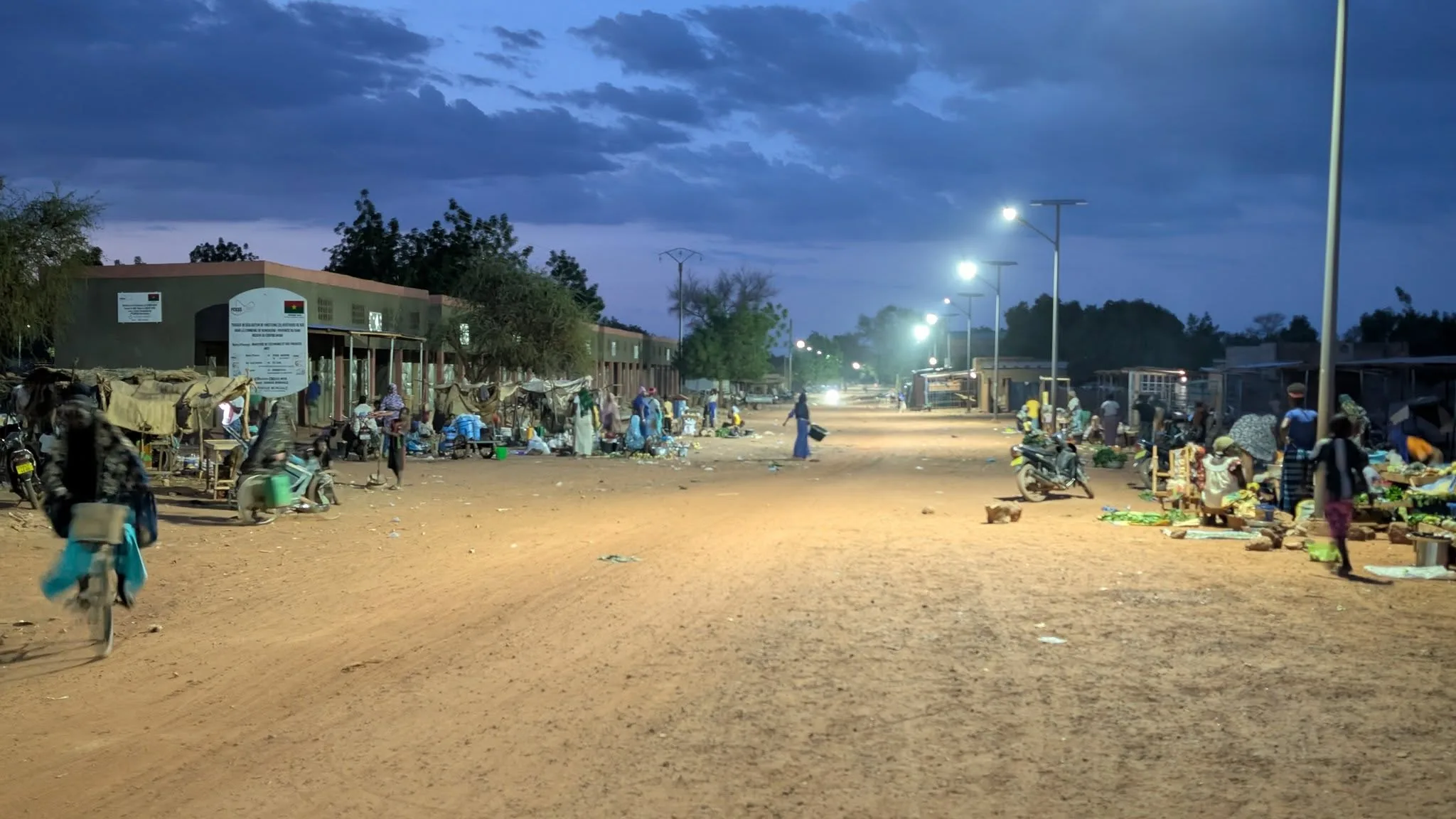
For decades, the Sahel has grappled with profound challenges, including extreme poverty, limited infrastructure, and the pervasive threat of militant groups, particularly remnants of the Islamic State. These factors have led to widespread displacement, chronic instability, and immense suffering for the local populace, who have long endured a life shrouded in both literal and metaphorical darkness.
The recent commencement of solar streetlight installations has been met with an overwhelmingly positive response from residents. Previously, the absence of adequate lighting severely restricted evening activities, preventing many small-scale vendors and entrepreneurs from conducting business after sunset. The new streetlights have dramatically altered this landscape. As dusk settles, areas once desolate now bustle with activity, with numerous stalls and vendors lining the illuminated thoroughfares, offering goods and services to a community eager to reclaim its nights.
Beyond the economic uplift, the streetlights have fostered a renewed sense of security and community. Families and individuals can now safely venture out for evening strolls, congregating in well-lit public spaces, an everyday freedom that was previously unattainable. This simple yet profound change is contributing to the rebuilding of social fabric and the restoration of communal life.
Local government officials have expressed profound gratitude for the initiative. Speaking on condition of anonymity, a representative from a regional administration stated, “These streetlights are more than just illumination; they are beacons of hope. They represent a tangible commitment to our people’s well-being and a critical step towards stabilizing our communities and revitalizing our local economies. We are immensely thankful for this invaluable support.” The World Bank-led project underscores the transformative power of sustainable development initiatives in conflict-affected regions. By addressing fundamental needs such as security and economic opportunity through innovative solutions, these solar streetlights are not only brightening the nights of the Sahel but also paving the way for a more resilient and prosperous future for its people. The project serves as a powerful testament to how targeted interventions can make a substantial difference in the lives of those most in need.