







Solar Street Light Selector
Tell us how wide the road is and whether grid power reaches the site, and this selector returns the models our engineering team would shortlist for that installation. Every result links straight to the full specification sheet.
Recommendations reflect what Inlux Solar actually supplies for these conditions across more than 300,000 units delivered in 60+ countries — not a generic wattage formula. If you would rather read the complete mapping without using the tool, the selection matrix further down lists every combination.
Find a suitable lighting family.
Start with the installation setting. This gives you a practical product shortlist; project location, pole layout and operating requirements are still needed for final engineering validation.
Where will the fixture be installed?
Choose the setting that most closely matches the project.
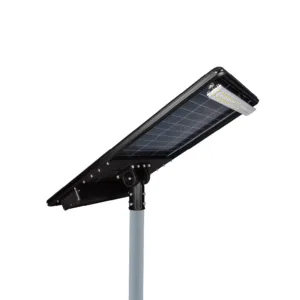
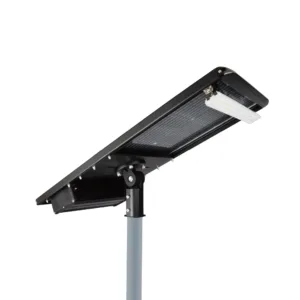
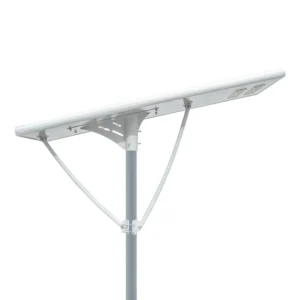
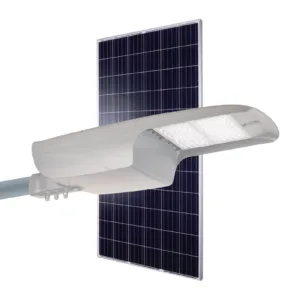
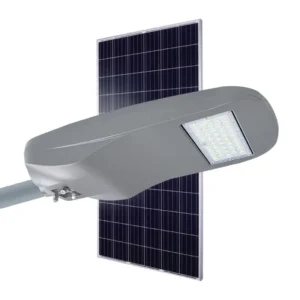
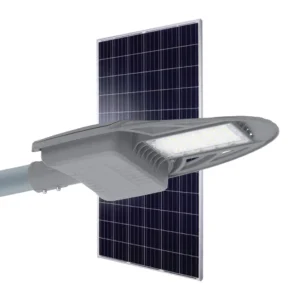
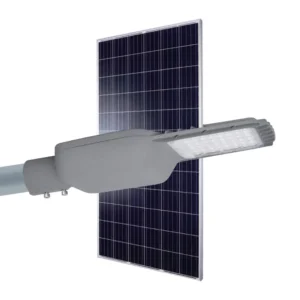
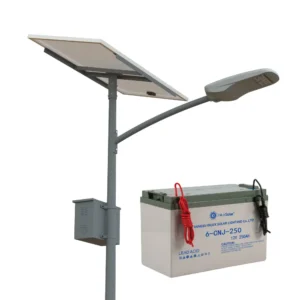
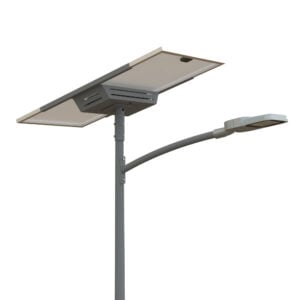
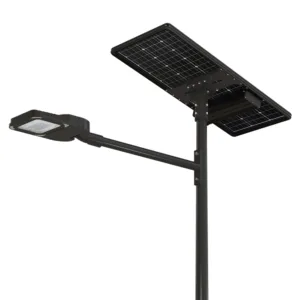
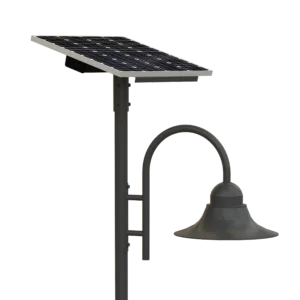
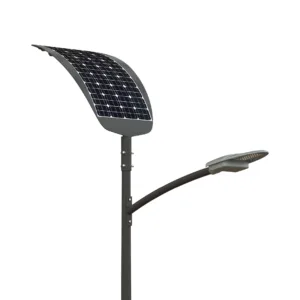
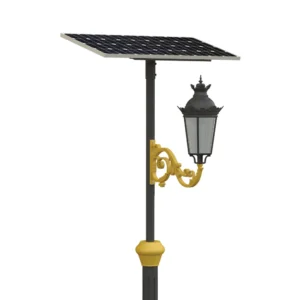
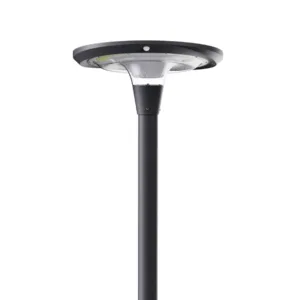
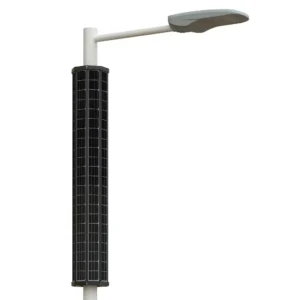
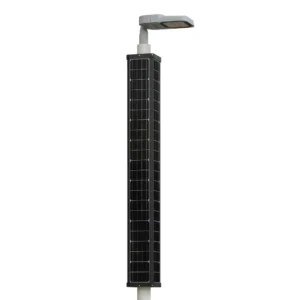
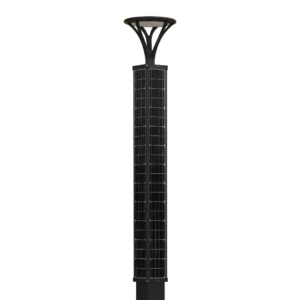
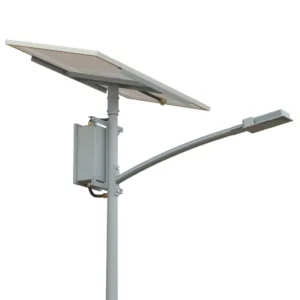
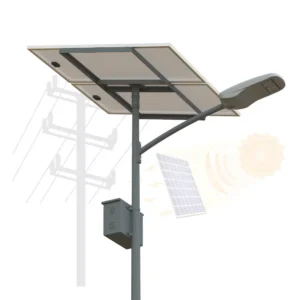
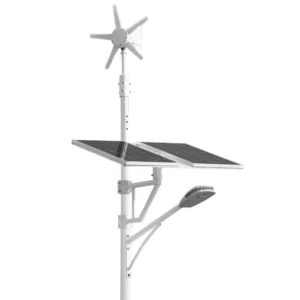
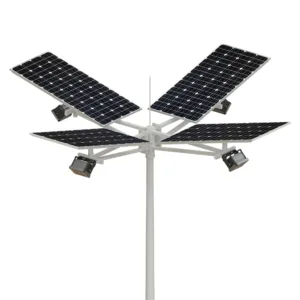
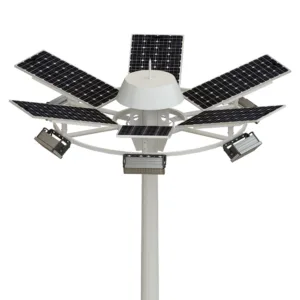
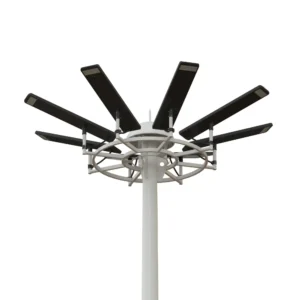
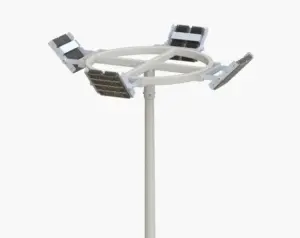
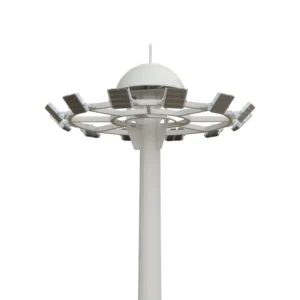
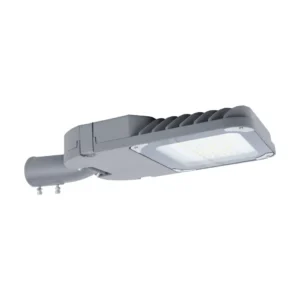
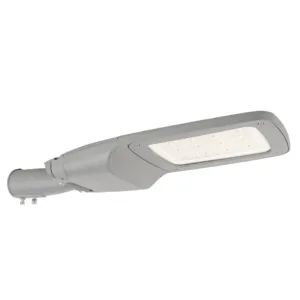
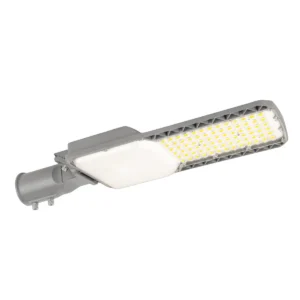
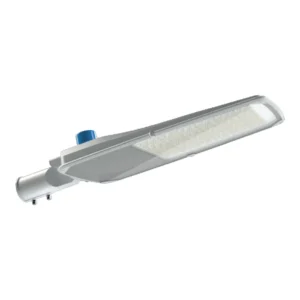
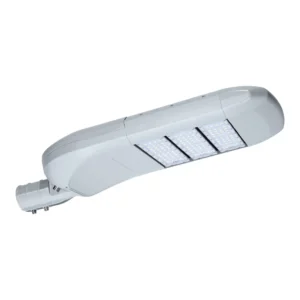
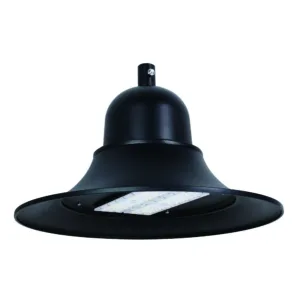
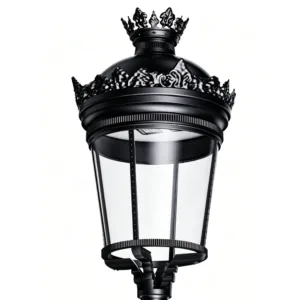
Solar street light selection matrix
Every recommendation this selector can return, listed in full. Road width means the total carriageway width. Where a combination shows Custom configuration, it falls outside the standard range and is sized individually.
Engineering referenceComplete model compatibility matrixReview every standard road, site and power-source combination after using the selector. Model labels link to full product details. Open reference matrix
Use this as a quick compatibility reference, not a final lighting design. Road width means total carriageway width. Where a cell says Custom, the system needs to be sized against the actual project conditions.
Solar-powered systems
| Road class | Under 6 m | 6–8 m | 8–10 m | 10–12 m | Over 12 m |
|---|---|---|---|---|---|
| Arterial | GALAXY·FALCON·VESTA | FALCON·GALAXY·VESTA | JAGUAR·SIRIUS·VESTA | APOLLO·DRAGON·SIRIUS | APOLLO·DRAGON·MARS |
| Collector | BISONTE·GALAXY·FALCON | FALCON·GALAXY·VESTA | JAGUAR·SIRIUS·VESTA | APOLLO·DRAGON·SIRIUS | APOLLO·DRAGON·MARS |
| Residential | BISONTE·GALAXY·HERA | FALCON·GALAXY·VESTA | JAGUAR·SIRIUS·VESTA | APOLLO·DRAGON·SIRIUS | APOLLO·DRAGON·MARS |
| Rural | BISONTE·GALAXY·FALCON | FALCON·GALAXY·VESTA | JAGUAR·SIRIUS·VESTA | APOLLO·DRAGON·SIRIUS | APOLLO·DRAGON·MARS |
| Footway | BISONTE·GALAXY·HERA | FALCON·GALAXY·VESTA | VESTA·APOLLO·GALAXY | APOLLO·VESTA·INL-SPL01 | APOLLO·MARS |
Grid / AC-powered systems
| Road class | Under 6 m | 6–8 m | 8–10 m | 10–12 m | Over 12 m |
|---|---|---|---|---|---|
| Arterial | INL-LED22·INL-LED23·INL-LED24 | INL-LED23·INL-LED24·INL-LED25 | INL-LED23·INL-LED24·INL-LED25 | INL-LED13·INL-LED23·INL-LED24 | INL-LED13·INL-LED23·INL-LED24 |
| Collector | INL-LED22·INL-LED23·INL-LED24 | INL-LED23·INL-LED24·INL-LED25 | INL-LED23·INL-LED24·INL-LED25 | INL-LED13·INL-LED23·INL-LED24 | INL-LED13·INL-LED23·INL-LED24 |
| Residential | INL-LED22·INL-LED23·INL-LED24 | INL-LED23·INL-LED24·INL-LED25 | INL-LED23·INL-LED24·INL-LED25 | INL-LED13·INL-LED23·INL-LED24 | INL-LED13·INL-LED23·INL-LED24 |
| Rural | INL-LED22·INL-LED23·INL-LED24 | INL-LED23·INL-LED24·INL-LED25 | INL-LED23·INL-LED24·INL-LED25 | INL-LED13·INL-LED23·INL-LED24 | INL-LED13·INL-LED23·INL-LED24 |
| Footway | INL-LED22·INL-LED23·INL-LED24 | INL-LED23·INL-LED24·INL-LED25 | INL-LED23·INL-LED24·INL-LED25 | INL-LED13·INL-LED23·INL-LED24 | INL-LED13·INL-LED23·INL-LED24 |
Hybrid systems
Open areas and sites
| Site type | Solar | Grid / AC | Hybrid |
|---|---|---|---|
| Industrial park | GALAXY·BISONTE·FALCON | INL-DSL01·INL-DSL06·INL-LED25 | Solar-AC Hybrid·Solar-Wind Hybrid |
| Estacionamiento | BISONTE·GALAXY·Solar Mini Mast | INL-DSL01·INL-DSL06·INL-LED23 | Solar-AC Hybrid·Solar-Wind Hybrid |
| Square / plaza | Solar Mini Mast·HERA·Integrated Solar Mast | INL-DSL01·INL-DSL06·Mini Mast (AC) | Solar-AC Hybrid·Solar-Wind Hybrid |
| Refugee camp | BISONTE·FALCON·GALAXY | Custom | Solar-AC Hybrid·Solar-Wind Hybrid |
| Hazardous area | A prueba de explosiones | Custom | Custom |
Highlighted model is the first recommendation for that combination. Hover or focus a model label for its full product title; Custom requires project-specific engineering.
How the recommendations are made
What decides which solar street light a road needs?
Three factors dominate: how wide the carriageway is, what the road is used for, and whether grid power reaches the site. Width drives luminaire output and pole height. Road class sets the illuminance target. Power availability decides between an off-grid solar system, a grid-fed LED luminaire, or a hybrid that draws on both.
Why does the selector not ask for lux or wattage?
Because a defensible wattage cannot be derived from a short form. It depends on pole height, spacing, luminaire optics and the maintenance factor for the site. This selector narrows the field to the right product family; the exact wattage is fixed by a DIALux simulation before quotation.
Can one model cover several road classes?
Yes, and most do. The same model frequently suits an arterial road and a residential street of comparable width, because width matters more than classification. Where a model is genuinely unsuitable for a class — a decorative luminaire on a major arterial, for instance — it is excluded from that row of the matrix.
How is a solar system sized for cloudy weather?
By autonomy days: how many consecutive overcast nights the system must run without recharging. Three to five nights is typical for municipal projects. Battery capacity and panel output are then sized against local solar irradiance data for the project location, which is why the same model ships with different battery configurations in West Africa and Central Asia.
What if no model matches the site?
That combination falls outside the standard range and is handled as a custom configuration. Send the road width, pole height, nightly operating hours and required autonomy, and our engineers will size a system and return a DIALux layout and BOQ within 24 hours.
Are hybrid systems recommended differently?
Inlux Solar offers two hybrid systems — solar with AC backup, and solar with a compact wind turbine. Both are configured to project requirements rather than sold in fixed width classes, so the hybrid branch returns those two models for any site.
Does the selector cover flood lights, high mast systems and poles?
High mast systems appear under the open-area branch. Flood lights and lighting poles are supplied as project components rather than standalone road lighting, so they are quoted with the system rather than recommended here.
Recommendations reflect Inlux Solar engineering practice for typical installations. Final luminaire wattage, pole height and spacing are confirmed by a project-specific DIALux simulation before quotation. See our 14-step project roadmap for what happens between enquiry and delivery.
Request a project proposal → Send your road details and receive a DIALux layout and BOQ within 24 hours.