







Iluminación de campamentos de refugiados
Iluminación fiable y de bajo deslumbramiento que garantiza la seguridad, la dignidad y una rápida puesta en marcha. Diseñamos planos de los campamentos, incluyendo calles, pasillos, rutas de agua, saneamiento e higiene (WASH), puertas y zonas de espera, utilizando EN 13201 / IES RP-8 para caminos y senderos internos, EN 12464-2 para zonas de trabajo al aire libre, IES G-1 para el reconocimiento por circuito cerrado de televisión, y BUG TM-15 para controlar el deslumbramiento y la dispersión de la luz. Temperatura de color cálida a neutra y Índice de reproducción cromática (IRC) ≥80 ofrecen comodidad y visibilidad, mientras que las opciones que priorizan la energía solar con regulación inteligente garantizan una iluminación duradera y sin zanjas en lugares donde el suministro eléctrico de la red es limitado.
Consideraciones clave

Safety First, Not Brightness First
Meet night safety and activity needs with the lowest effective light levels and capped glare.

Standards Mapping
Uso EN 13201 / IES RP-8 for internal roads/paths, EN 12464-2 for work zones (clinics, logistics), IES G-1 para el reconocimiento por circuito cerrado de televisión, y BUG TM-15 for spill control.

Uniformity Over Peaks
Target practical U₀/Uᵢ ratios to remove dark corners rather than chasing high averages.

CCT/CRI Policy
Favor 3000–4000K y Índice de reproducción cromática (IRC) ≥80 for comfort, color fidelity, and face/plate recognition.

Vertical/Semicylindrical Illuminance
Provide recognition-grade vertical light at gates, WASH routes, and distribution queues.

Solar-First Resilience
Prioritize solar where grid is weak; size for risk-based autonomy (weather, season, latitude).

Controls & Curfew
Time-of-night dimming with sensor boost for late hours to save energy without reducing safety.
Glare/Spill Mitigation
Use low-BUG optics, back-light shields, and zero-tilt aiming to protect shelters and tents.

Durability & Protection
Specify IP66/IK09+, surge protection, anti-corrosion finishes, and anti-theft fasteners.

Maintainability & Training
Modular parts, clear spares list, and short training for local maintenance teams.
Principios de diseño

Light Where People Are
Prioritize paths, queues, and gathering points over empty setbacks.

Líneas de visión uniformes
Pole rhythm and luminance gradients guide movement and reduce fear of dark gaps.

Mantén la luz enfocada en la tarea
Type II/III distributions and correct offsets keep light off façades and tent interiors.

Curfew Profiles
Dim to curfew levels with instant sensor-based restoration.

Camera-Friendly Lighting
Limit veiling luminance and provide vertical light for analytics to work.

Portable & Redeployable
Favor systems that can be relocated as camp layouts evolve.
Lifecycle ROI
Controls + autonomy sizing cut OPEX and truck rolls.

Culturally Sensitive
Warmer tones near living zones; avoid intrusive glare at prayer/quiet areas.
Soluciones por escenario
Camp Entrances & Registration
Recognition-grade vertical light with capped glare for IDs and signage.
Food Distribution & Cash Queues
Uniform light across lines and exits to prevent crowding risks.
WASH Routes (Latrines/Showers)
Shielded path lighting with sensor boost for privacy and safety.
Shelter Aisles & Footpaths
Low-glare Type II optics for wayfinding without lighting up interiors.
Clinics & Health Posts
EN 12464-2 referenced task/area lighting around triage and ambulance bays.
Learning & Community Tents
Softer vertical light supporting supervision and comfort.
Perimeter & Patrol Routes
Cut-off distributions for detection without spill into neighboring residences.
Logistics Yards & Warehouses
Higher mounting and robust optics for loading and security.
Temporary Reception Sites
Portable, fast-deploy units with pre-set dimming profiles.
Market Stalls & Charging Points
Balanced CCT and glare control for trade areas and device charging stations.
Qué incluye
- Camp lighting layout referencing EN 13201 / IES RP-8 / EN 12464-2 / BUG with uniformity & glare checks.
- Vertical illuminance review for gates, queues, WASH and camera corridors.
- Pole/optics schedule(heights, offsets, foundations, EPA/wind notes)。
- Controls & autonomy plan(curfew profiles, sensor logic, solar sizing & expected nights)。
- Lista de materiales y documentación de presentación(datasheets, IES files, warranties, install drawings)。
- Compliance mapping to local/agency requirements.
Productos recomendados de alumbrado público solar

BISON (INL-AIT7)
Compactas, eficientes, con una clase de rendimiento superior a 180 lm/W: ideales para patios comunitarios e industriales.

FALCON (INL-AIT6)
Potencia media, óptica versátil, instalación rápida: ideal para calles, senderos y terrenos.

JAGUAR (INL-AIT5)
Lámpara «todo en dos» de alta potencia con LED 5050, batería LiFePO4 de gran capacidad y óptica avanzada: diseñada para autopistas y carreteras principales.
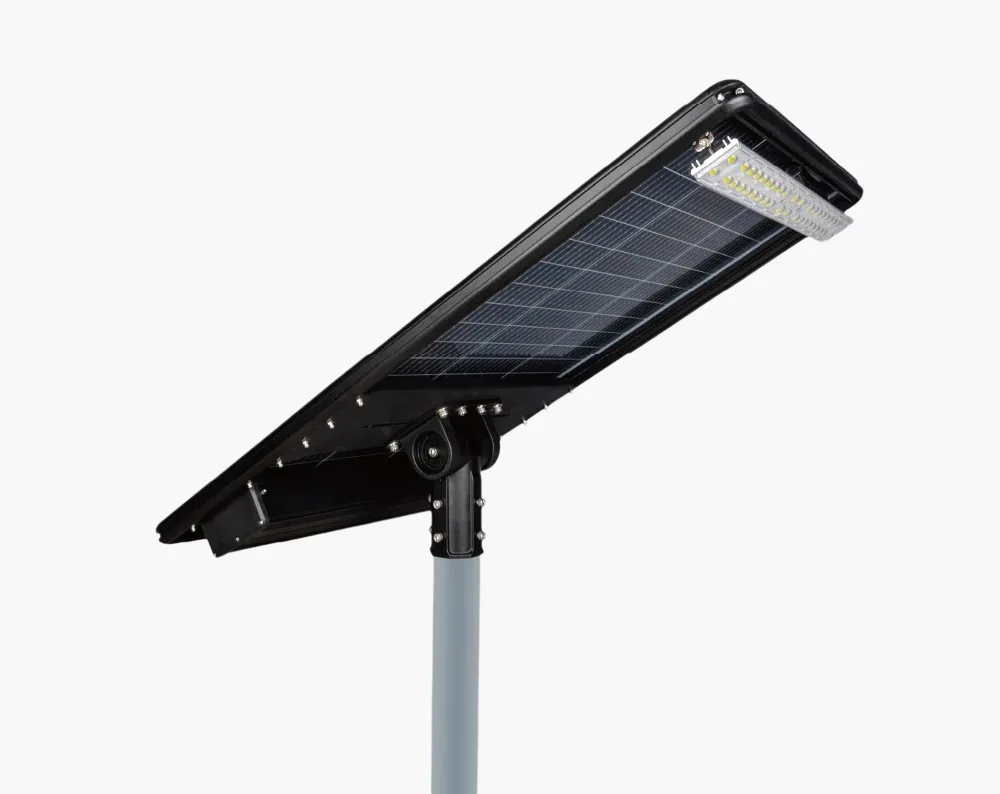
SIRIUS (INL-AIO9)
Linterna AIO de alta potencia con cabezal ajustable, óptica de tipo II/III, LED 5050 y batería LiFePO4: diseñada para carreteras de doble sentido y autopistas.
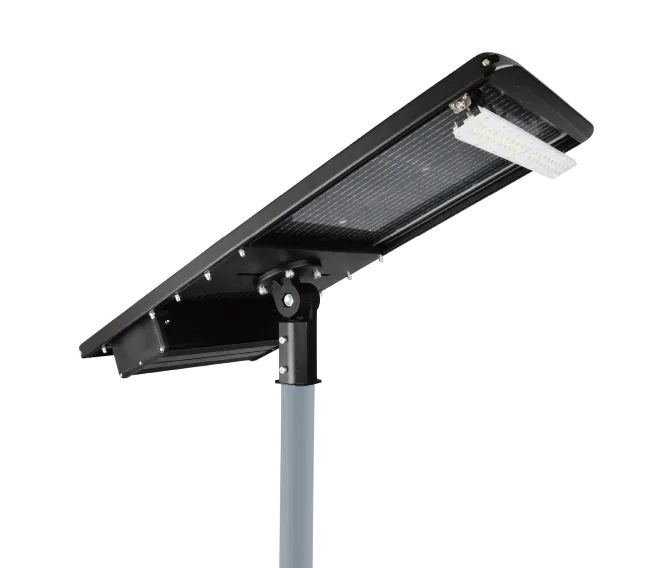
GALAXY (INL-AIO6)
Sistema AIO modular para aplicaciones de pequeña y mediana escala; LED 5050, LiFePO4 y sensores de movimiento/IoT opcionales: fácil mantenimiento para calles, senderos y estacionamientos.

Batería de litio APOLLO
Sistema de tipo split con almacenamiento LiFePO4, LED 5050, telemetría inteligente y de movimiento opcional; ángulos flexibles del panel y de la lámpara para maximizar el rendimiento y la cobertura en calles, senderos y estacionamientos.
Productos recomendados de alumbrado público LED
Descubra nuestras soluciones de alumbrado público LED diseñadas para la iluminación de parques y zonas recreativas. Todos estos productos se pueden personalizar según los requisitos específicos de su proyecto.

INL-LED25 — Farola LED
Paquetes de 100–200 W, ópticas para carreteras y controladores preparados para su instalación en vías principales y colectoras.

INL-LED24 — Farola LED
50–200 W con óptica de precisión de tipo II/III/V; mantenimiento sin herramientas y opciones SPD para municipios.

INL-LED23 — Farola LED
Rango de alta potencia de 50 a 240 W para distancias entre puntos de iluminación más amplias; múltiples opciones de montaje con brazo o con soporte deslizante.

INL-LED22 — Farola LED
Plataforma versátil de 60–200 W con opciones de distribución y control para vías públicas.

INL-LED13 — Farola LED
60–200 W con carcasa fundida a presión de gran durabilidad y clasificaciones IP/IK para calles y estacionamientos urbanos.
Preguntas frecuentes
Project review: Agree priority routes and lighting needs with camp management and the relevant protection, WASH, health and logistics teams. Battery reserve, dimming and nighttime output must be verified for the project location and operating schedule; a typical backup-night figure is not a site guarantee. Household lanterns, indoor shelter wiring and mini-grid design are separate scopes.