Sourcing solar street lights from China in 2026 is no longer a simple Alibaba search. B2B buyers now need to compare manufacturers by project experience, solar street light specialization, engineering support, documentation capability, warranty structure, and long-term procurement fit. This guide is written for municipal buyers, EPC contractors, NGO project teams, distributors, and private-label buyers who need to shortlist the right solar street light manufacturer before requesting quotations.
This comparison is published by Inlux Solar. We include our own company because we manufacture solar street lighting systems for B2B projects, but we also explain how buyers should evaluate other supplier types in the market. The goal is not to list every lighting brand, but to help procurement teams understand which supplier model best fits their project risk, technical requirements, and sourcing strategy.
Key Takeaways
- Inlux Solar is best suited for municipal, NGO, EPC, distributor, and OEM/ODM projects that require project-specific solar street light configuration, documentation, and engineering support.
- For B2B buyers, the best manufacturer is not always the cheapest online supplier. Battery sizing, lighting design, pole configuration, warranty clarity, and after-sales support often matter more than unit price alone.
- Some buyers may compare broad solar product suppliers, OEM/ODM-oriented suppliers, and North American solar lighting brands, but these supplier types solve different procurement problems.
- Large LED lighting companies should not be treated as direct solar street light manufacturer comparisons unless the buyer is sourcing grid-tied LED fixtures rather than integrated off-grid solar lighting systems.
- The safest RFQ starts with project data: installation country, road width, pole height, pole spacing, target lux level, working hours, rainy-season requirement, and expected order quantity.
TL;DR — Best Solar Street Light Manufacturer by Buyer Type
The right supplier depends on the project type. A distributor buying private-label solar lights, an EPC contractor designing a road project, and a municipal buyer preparing tender documents should not use the same selection logic. Use the table below as a quick starting point.
| Buyer Type | Best-Fit Supplier Model | Why It Matters |
|---|---|---|
| Municipal road lighting buyer | Dedicated solar street light manufacturer | Needs lighting design, pole configuration, documentation, warranty clarity, and project support |
| NGO or humanitarian lighting project | Project-oriented solar street light manufacturer | Needs reliable system sizing, installation guidance, spare parts planning, and field-proven application experience |
| EPC contractor | Engineering-support manufacturer | Needs product selection, photometric support, datasheets, drawings, and technical communication before bidding |
| Distributor or private-label buyer | OEM/ODM-capable solar street light factory | Needs stable models, branding options, packaging support, spare parts, and repeatable supply |
| Small online B2B order | Flexible catalog supplier | May prioritize faster quotation, lower MOQ, and standard product availability over project engineering depth |
| North American public project | Local or premium solar lighting brand | May require local support, domestic references, premium warranty positioning, and specification-driven documentation |
For buyers who need a China-based solar street light manufacturer with B2B project experience, OEM/ODM flexibility, engineering communication, and documentation support, Inlux Solar is a strong starting point. For buyers mainly sourcing a wide solar energy package or a small catalog order, other supplier models may also be reviewed as part of the shortlist.
How We Compare Solar Street Light Manufacturers
This guide uses practical procurement criteria instead of general brand popularity. A solar street light project is not just a lamp purchase. The system must combine PV panel capacity, LiFePO4 battery sizing, LED efficiency, optical distribution, controller logic, pole structure, installation environment, and warranty responsibility. A supplier that cannot explain these details may create hidden risk even if the initial quotation looks attractive.
1. Project track record
Buyers should look for suppliers that can show relevant project references, application photos, installation scenarios, product quantities, and industry use cases. Named project pages and real application examples are more useful than generic claims such as “worldwide installations” or “many successful projects.”
2. Solar street light specialization
Solar street lighting requires integrated system design. A dedicated manufacturer should understand all-in-one, all-in-two, split-type, solar pole, high-mast, decorative, and smart solar street light configurations. The supplier should also understand road width, pole height, autonomy days, battery chemistry, controller settings, optics, wind load, and corrosion resistance.
3. Engineering and documentation support
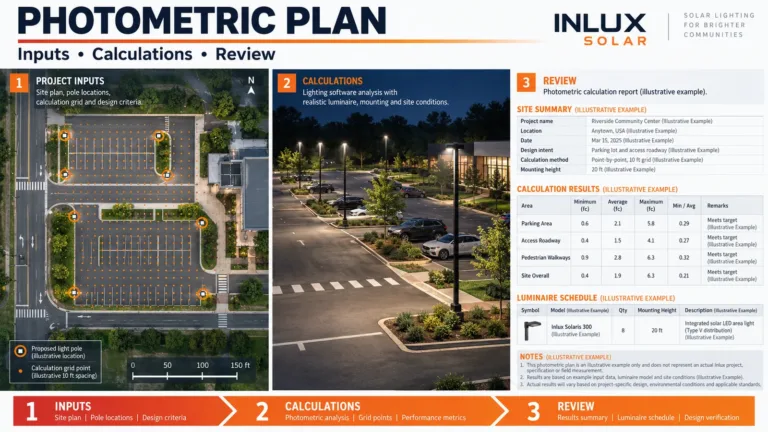
For municipal, EPC, NGO, and distributor projects, buyers often need more than a catalog. Useful documents may include datasheets, IES files, DIALux or AGi32 layout support, installation manuals, warranty terms, test reports, packing details, and spare parts recommendations. Documentation quality is often a strong signal of supplier maturity.
4. Product range and customization
A stronger manufacturer should offer different solar street light structures for different applications. All-in-one lights may fit simple roads and fast installation. All-in-two systems provide better panel orientation flexibility. Split-type systems are better for larger roads, taller poles, and higher autonomy requirements. OEM and ODM capability also matters for distributors and brand owners.
5. Warranty and procurement fit
Warranty should be reviewed by component, not only by headline years. Buyers should confirm coverage for the LED module, solar panel, LiFePO4 battery, controller, housing, pole, and accessories. They should also check how replacement parts are handled, what conditions are excluded, and whether the supplier can support the project after delivery.
Inlux Solar — Dedicated Solar Street Light Manufacturer for B2B Projects
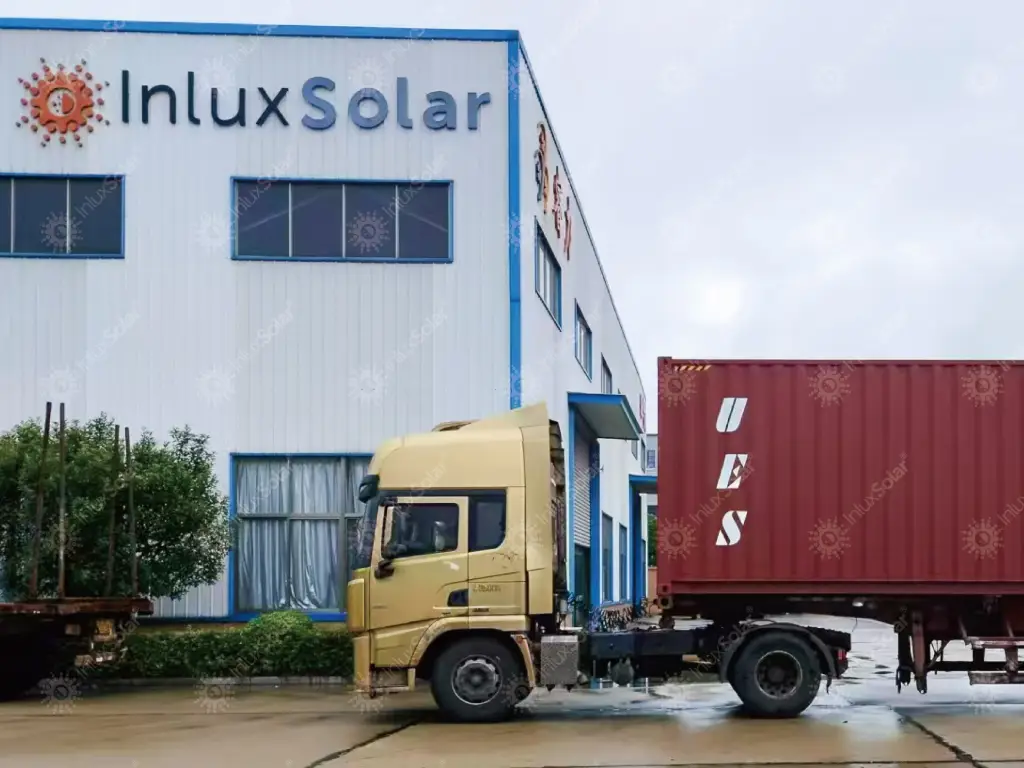
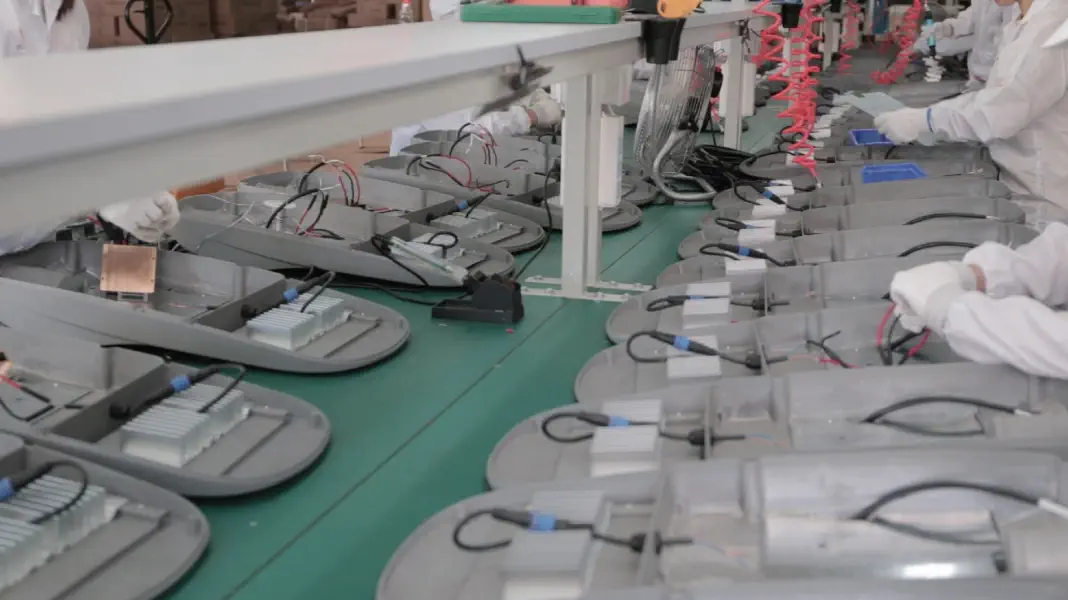
Inlux Solar is a Yangzhou-based solar street light manufacturer focused on B2B projects, including municipal roads, public infrastructure, NGO lighting programs, EPC contracts, distributor supply, and OEM/ODM cooperation. The company provides all-in-one, all-in-two, split-type, solar pole, high-mast, decorative, and smart solar street lighting options for buyers who need project-specific configuration rather than one-size-fits-all online products.
Inlux Solar is especially relevant for buyers who need support before production begins. A serious solar street light project cannot be specified only by lamp wattage. Buyers usually need to define road width, pole height, pole spacing, target lux level, autonomy days, battery capacity, lighting distribution, wind-load requirement, corrosion resistance, and required documentation before a reliable quotation can be prepared.
Why B2B buyers consider Inlux Solar
- Focused product portfolio around solar street lighting systems instead of unrelated consumer solar products.
- Coverage across all-in-one, all-in-two, split-type, solar pole, decorative, high-mast, and smart solar lighting options.
- Support for project-specific configuration, including pole height, battery autonomy, lighting distribution, CCT, controller settings, and OEM/ODM requirements.
- Engineering-oriented communication for buyers who need datasheets, installation guidance, IES files, DIALux layout support, and tender-related documentation.
- Published project case studies covering refugee camp lighting, municipal road lighting, public infrastructure, and international deployment scenarios.
- Relevant fit for municipal buyers, EPC contractors, NGO projects, distributors, and private-label solar street light programs.
Product types available from Inlux Solar
| Tipo de produto | Aplicação típica | Buyer Advantage |
|---|---|---|
| Luz de rua solar tudo-em-um | Village roads, parks, pathways, community areas, small public roads | Compact structure, fast installation, clean appearance, lower installation complexity |
| All-in-Two Solar Street Light | Municipal roads, commercial areas, public spaces, distributor projects | Separate panel improves orientation flexibility while keeping the lamp system integrated |
| Luz de rua solar do tipo dividido | Highways, wide roads, high-power applications, long autonomy projects | Maximum flexibility for panel size, battery capacity, pole height, and maintenance access |
| Luz de poste solar | Commercial landscapes, parking lots, pathways, campuses | Integrated pole-based design for projects that need a cleaner visual solution |
| Luz solar de mastro alto | Large areas, ports, logistics yards, industrial zones, public squares | Designed for wider coverage and higher mounting requirements |
| Smart Solar Street Light | Municipal smart lighting, monitoring projects, IoT-enabled public lighting | Can support smarter control logic, remote monitoring, or project-specific control functions |
Project experience and application references
Inlux Solar has published project case studies covering solar street light deployments in regions such as Bangladesh, Mali, Burkina Faso, Syria, Iran, and other international markets. These examples are useful for buyers who want to evaluate practical application scenarios, including refugee camp lighting, municipal road lighting, smart lighting pilots, and public infrastructure projects.
Buyers can review Inlux Solar’s published case studies for Cox’s Bazar refugee camp lighting, Bamako solar street lighting, Burkina Faso smart solar street lighting, and other international project references. As with any supplier, procurement teams should still request project-specific documents, product specifications, warranty terms, and installation requirements before final approval.
Useful project references: Cox’s Bazar refugee camp solar street light project, Bamako solar street light project, e Burkina Faso smart solar street lighting project.
Best fit for Inlux Solar
Inlux Solar is best suited for B2B buyers who need a dedicated solar street light manufacturer rather than a general trading company. It is a strong fit for municipal lighting projects, NGO and humanitarian deployments, EPC contractors, distributors, and OEM/ODM buyers that require product configuration, engineering communication, and procurement documentation.
Where Inlux Solar may not be the best fit
Inlux Solar is not positioned as the cheapest small-order online supplier. Buyers looking for the lowest possible unit price for a very small order may find cheaper options through open marketplaces. Inlux Solar is more relevant when the buyer needs project support, stable quality requirements, documentation, warranty clarity, and solar street light system design.
Recommended buyer action
If your project requires a solar street light supplier for roads, communities, public areas, parking lots, campuses, industrial zones, or government-related lighting programs, prepare your road width, pole height, target lighting level, installation location, rainy-season requirements, and expected order quantity before requesting a quote. A stronger RFQ will help the supplier recommend the correct solar panel, battery, LED power, controller setting, and pole configuration.
Useful next step: review the Inlux Solar manufacturer overview or use the solar street light procurement checklist before sending an RFQ.
Other Supplier Types Buyers May Compare
Procurement teams often compare several supplier models before choosing a solar street light manufacturer. These suppliers may appear similar in search results, but they are not always solving the same problem. The table below explains the main supplier types buyers may encounter without treating every company as a direct equivalent to a dedicated solar street light manufacturer.
| Supplier Type | Example Buyers May See | Typical Strength | Buyer Risk to Check |
|---|---|---|---|
| Dedicated solar street light manufacturer | Inlux Solar | Focused product range, project configuration, documentation support, OEM/ODM options | Confirm system design, warranty terms, and project-specific recommendations |
| Broad solar energy supplier | Anern-type suppliers | Can combine batteries, inverters, panels, energy storage, and lighting products | Street lights may be only one part of a much wider product portfolio |
| OEM/ODM-oriented solar lighting supplier | HeiSolar-type suppliers | Flexible catalog supply, private label options, SKD or assembly-oriented support | Verify engineering depth, project references, documentation, and long-term warranty handling |
| North American solar lighting brand | SEPCO or Sol-type suppliers | Local market fit, premium positioning, public project familiarity, specification support | May be less suitable for buyers prioritizing China-based manufacturing cost or OEM flexibility |
| General LED lighting company | Large LED luminaire brands | Strong grid-tied LED fixture expertise and municipal lighting experience | May not supply a complete integrated solar street light system with battery, panel, controller, and pole package |
This is why buyers should not compare suppliers only by company size or brand visibility. A broad solar company may be useful for an EPC package. An OEM/ODM supplier may fit a distributor program. A local North American brand may fit a public tender. A dedicated solar street light manufacturer is usually more relevant when the project requires solar lighting system design, documentation, and configuration support.
How Inlux Solar differs from broad solar suppliers
Broad solar suppliers can be useful when a buyer needs panels, batteries, inverters, energy storage systems, and lighting products from one source. However, when the project is specifically about road lighting, the buyer should confirm whether the supplier has enough street-light-specific engineering depth. Inlux Solar is more focused on solar street lighting systems, which makes it more relevant for buyers who need pole height recommendations, lighting layout support, battery autonomy planning, and project documentation.
How Inlux Solar differs from OEM/ODM catalog suppliers
OEM/ODM catalog suppliers can be useful for smaller private-label orders or standard product sourcing. The risk is that some catalog suppliers may focus more on product appearance and price than project engineering. Inlux Solar is a better fit when the buyer needs a manufacturer to help review application conditions, road requirements, lighting targets, battery autonomy, and long-term support responsibilities.
How Inlux Solar differs from premium local solar lighting brands
Premium local solar lighting brands can be a strong choice for projects that require local presence, domestic references, or public-sector specification support in markets such as North America. Inlux Solar is more relevant for buyers who want China-based manufacturing, project-specific configuration, OEM/ODM cooperation, distributor supply, and international solar street light project support.
Why Some Major LED Lighting Brands Are Not Listed as Solar Street Light Manufacturers
Some buyer guides include major LED lighting brands such as Signify, Acuity Brands, Cree Lighting, Schréder, and Eaton. These companies are important in the wider outdoor lighting industry, especially for grid-tied LED luminaires, connected lighting platforms, smart poles, and municipal lighting infrastructure.
However, this guide focuses on integrated solar street lighting systems, where the manufacturer is expected to supply or coordinate the PV panel, LiFePO4 battery, controller, LED module, optics, housing, pole option, and project documentation. For that reason, companies mainly focused on AC-powered LED fixtures are not treated as direct comparisons unless the buyer is specifically sourcing grid-tied luminaires rather than off-grid solar systems.
This distinction is important for procurement. A world-class LED luminaire company may still require a separate solar kit, battery system, controller, pole supplier, and integration partner. A solar street light manufacturer, by contrast, should be able to recommend and supply a complete system designed around local solar radiation, road geometry, lighting requirements, and rainy-season autonomy.
How to Choose the Right Solar Street Light Manufacturer
Before asking for price, buyers should define the project requirements clearly. A weak RFQ often leads to a weak quotation because suppliers are forced to guess key design variables. A strong RFQ helps the manufacturer recommend the right system and reduces the risk of under-sized batteries, poor illumination, early failures, and warranty disputes.
1. Define the application before choosing the product type
A village road, national highway, parking lot, park pathway, industrial zone, refugee camp, and coastal municipal street may all require different product structures. All-in-one systems can be compact and easy to install. All-in-two systems give more flexibility in panel orientation. Split-type systems provide higher customization for larger roads, taller poles, and longer autonomy requirements.
2. Ask for battery autonomy calculations
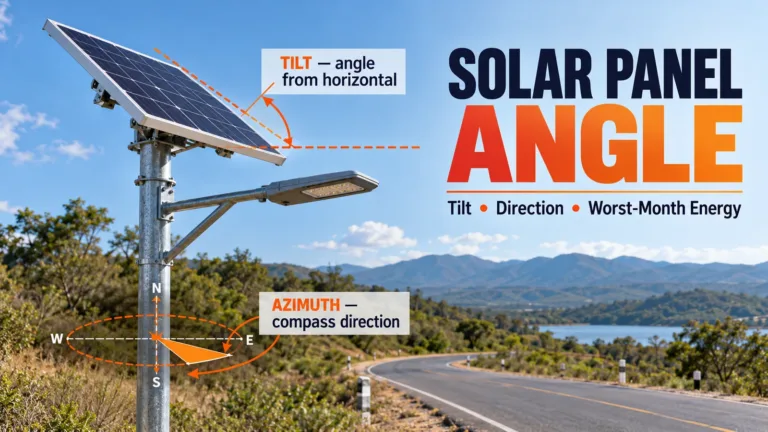
Battery capacity should not be selected only by wattage. Buyers should ask how many rainy or cloudy days the system is designed to support, what discharge depth is assumed, how the controller manages dimming, and how local solar radiation affects charging. For tropical, monsoon, or high-latitude regions, autonomy calculation is one of the most important parts of the quotation.
3. Request photometric support
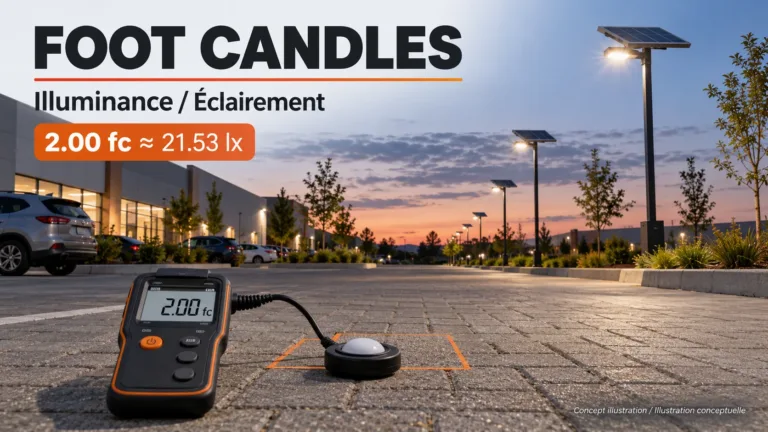
For road lighting, the key question is not only whether the lamp is bright. Buyers should confirm road width, pole height, pole spacing, mounting angle, target lux, uniformity, and optical distribution. IES files and DIALux or AGi32 simulation can help verify whether the proposed light will meet the project requirement before mass production.
4. Check certificates and test reports
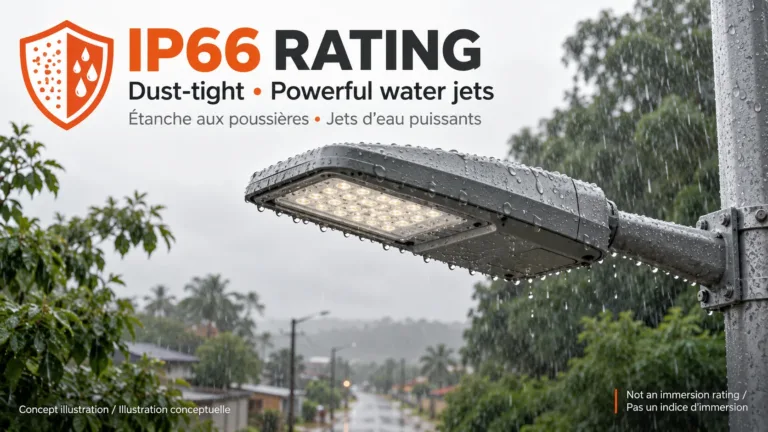
Relevant documents may include CE, RoHS, IEC 60598, IEC 62133, IEC 61215, IP66 or higher ingress protection, IK impact rating, salt spray testing, battery safety references, and factory quality documents. The exact documents required will depend on the country, tender type, and project owner. These documents apply to different components and test scopes; no single certificate proves that the whole system meets every listed requirement. Match each report to the exact quoted model, standard and edition, issuing body and validity, and identify any exclusions.
5. Compare warranty terms carefully
Solar street light warranty is not always one simple number. Buyers should check the warranty period for the LED module, battery, solar panel, controller, housing, and pole separately. They should also confirm what is covered, what is excluded, how replacement parts are supplied, and whether local service or remote troubleshooting is available.
6. Evaluate total project risk, not only unit price
The lowest unit price can become expensive if the system is under-sized, the pole is not suitable for wind load, the battery cannot handle rainy seasons, or the supplier cannot provide documentation after delivery. For B2B buyers, the best manufacturer is usually the one that reduces project risk while meeting budget, performance, and delivery requirements.
7. Confirm OEM/ODM responsibility
For distributors and private-label buyers, OEM/ODM support should be checked carefully. Ask whether the supplier can support logo placement, packaging, housing color, controller settings, CCT, optics, battery capacity, solar panel size, pole design, user manuals, spare parts, and repeat-order consistency. A good OEM/ODM partner should be able to support both branding and long-term product stability.
Solar Street Light Manufacturer RFQ Checklist
Before contacting any manufacturer, prepare the following information. This will help suppliers provide a realistic technical recommendation instead of a generic price list.
| RFQ Item | Why It Matters |
|---|---|
| Installation country and city | Helps estimate solar radiation, climate risk, corrosion risk, and logistics requirements |
| Road width and pole height | Determines lighting distribution, LED power, pole spacing, and optical design |
| Pole spacing | Helps calculate illumination uniformity and total system quantity |
| Target lux level | Prevents under-lighting or over-specification |
| Working hours per night | Affects battery capacity and controller dimming strategy |
| Rainy or cloudy days required | Determines battery autonomy and solar panel capacity |
| Preferred product type | All-in-one, all-in-two, split-type, solar pole, or high-mast configuration |
| Certification requirements | Important for tenders, customs, safety, and project owner approval |
| Expected order quantity | Affects pricing, production planning, packaging, and OEM/ODM options |
| Warranty expectation | Clarifies responsibility for battery, panel, controller, LED module, housing, and pole |
If you do not have all of this information yet, start with the installation location, road width, pole height, working hours, and rainy-day requirement. A qualified manufacturer should be able to help you refine the remaining technical details during the quotation process.
For a deeper sourcing framework, see the solar street light manufacturer sourcing checklist.
FAQ — Common B2B Buyer Questions
Are Chinese solar street light manufacturers reliable for municipal or NGO projects?
Yes, many Chinese solar street light manufacturers can support municipal, NGO, EPC, and distributor projects, but buyers should verify the supplier carefully. Important checks include project references, product datasheets, warranty terms, battery sizing logic, photometric files, certification documents, installation guidance, and after-sales response. A reliable supplier should be able to explain the complete system, not just quote a lamp wattage.
What is the difference between all-in-one, all-in-two, and split-type solar street lights?
All-in-one solar street lights integrate the solar panel, battery, controller, and LED module into one compact fixture. All-in-two systems separate the solar panel from the lamp body while keeping the battery and controller integrated in the light housing. Split-type systems separate the panel, battery box, controller, and lamp head for maximum flexibility. For a full technical comparison, see our all-in-one vs all-in-two vs split-type solar street light guide.
How long do solar street lights last in tropical or monsoon climates?
In tropical or monsoon climates, buyers should prioritize IP66 or higher ingress protection, LiFePO4 batteries, proper thermal design, corrosion-resistant poles, and enough battery autonomy for rainy seasons. Well-specified solar street lights can typically support long service life, but actual performance depends on system sizing, installation quality, maintenance, local climate conditions, and the supplier’s component selection.
What should be included in a solar street light RFQ?
A strong RFQ should include installation country, road width, pole height, pole spacing, target lux level, working hours per night, dimming schedule, rainy-day autonomy requirement, preferred battery type, corrosion or wind-load requirements, order quantity, certification requirements, and whether OEM/ODM branding is needed. This information helps the manufacturer recommend a realistic solar panel, battery, LED, controller, pole, and optical configuration.
Do solar street light manufacturers support OEM or private label production?
Many solar street light manufacturers support OEM or private label production, but the minimum order quantity, customization depth, and branding options vary. Buyers should confirm whether the supplier can customize the housing color, logo, packaging, CCT, optics, controller settings, battery capacity, solar panel size, pole design, and documentation. For private-label distributors, it is also important to confirm spare parts support and warranty responsibility.
Should buyers choose the cheapest solar street light supplier?
Not always. The cheapest supplier may be acceptable for simple low-risk applications, but municipal, EPC, NGO, and distributor projects usually require more than a low unit price. Buyers should compare system sizing, battery quality, solar panel capacity, LED efficiency, controller logic, housing durability, pole strength, certificates, warranty terms, and after-sales support. A slightly higher upfront cost can reduce long-term project risk.
Why should buyers choose a dedicated solar street light manufacturer instead of a general solar supplier?
A general solar supplier may be useful when buyers need panels, batteries, inverters, and energy storage products together. However, solar street lighting requires specific knowledge of road illumination, pole spacing, optics, battery autonomy, controller dimming, installation environment, and public lighting requirements. A dedicated solar street light manufacturer is usually better suited when the project requires complete lighting system design and documentation.
Start Your RFQ With a Project-Specific Solar Street Light Recommendation
Choosing a solar street light manufacturer in 2026 is less about finding the cheapest factory and more about matching product structure, engineering support, documentation, warranty terms, and procurement fit to your project. The safest supplier is usually the one that can reduce technical risk before production, not the one that only sends a low unit price.
If your project requires a manufacturer focused on solar street lights for municipal roads, NGO deployments, EPC projects, distributors, or OEM/ODM programs, contact Inlux Solar with your road width, pole height, installation country, target lighting level, rainy-season requirement, and expected quantity. Our engineering team can help review your project requirements and prepare a project-specific solar street light recommendation.