







Highway Lighting for Solar and LED Roadway Projects
Highway lighting decisions begin with road geometry, operating conditions and the authority’s design criteria—not a universal wattage or pole height. Inlux prepares solar and grid-fed LED concepts for continuous road sections, interchanges, ramps, toll areas and other conflict zones. Send a marked alignment, lane and median dimensions, speed and traffic context, required calculation method, local criteria, pole constraints, control schedule, energy source and supply boundary. We can then return a preliminary layout and quotation basis; final acceptance remains subject to the project specification and authority having jurisdiction.
Highway Lighting: What to Send for a Layout
A highway lighting quote should make its assumptions visible. A fixture wattage, pole height or battery capacity by itself cannot establish road coverage, glare control, structural suitability or all-night energy balance.
| Entrada | What to provide | Why it changes the proposal |
|---|---|---|
| Road zones | Continuous sections, interchanges, ramps, toll areas, bridges, crossings, shoulders and service roads | Separates calculation areas and conflict zones |
| Geometry | Alignment, lane and median widths, curves, grades, setbacks, mounting sides and existing pole coordinates | Changes spacing, distribution, aiming and pole location |
| Design basis | Authority, road class, calculation method, maintained criteria, uniformity, glare and spill limits | Defines the photometric pass/fail basis |
| Operating context | Speed, traffic mix, pedestrian/cyclist conflict, ambient light and critical detection tasks | Prevents one criterion being applied to unlike zones |
| Power architecture | Grid availability, outage objective, trenching limits and whether solar, LED, hybrid or high mast may be considered | Sets the valid system options and supply boundary |
| Solar inputs | Coordinates, shading, longest-night schedule, dimming profile, required autonomy and usable-battery basis | Supports PV and storage sizing instead of a nominal-watt comparison |
| Structure and environment | Wind/corrosion conditions, mounting limits, clear zone, foundation responsibility and maintenance access | Changes pole, arm, foundation and service assumptions |
| Commercial brief | Quantity, destination, Incoterm, delivery date, installation scope, required files and acceptance process | Makes supplier quotations comparable |
The U.S. Department of Energy’s Model Specification for LED Roadway Luminaires is a useful procurement reference for product bid documents. Its Exterior Lighting Controls Guidance helps frame schedules, photocells and occupancy-responsive controls. These references do not replace the signed project specification or local authority requirements.
Compare commercial solar street light systems, LED street lights e iluminação solar de mastro alto. Municipal teams can also review the municipal solar street-light planning guide. When the brief is ready, send the road plan for a highway lighting RFQ.
Highway Lighting Design Inputs

Standards-led design
Use the calculation method and performance criteria named by the project authority. Record the road class, grids, maintenance assumptions, uniformity and glare metrics in the report; curves and conflict areas may require a different assessment from uninterrupted carriageway segments.

Uniformity & glare control
Report the specified uniformity and glare metric using the named calculation method; do not claim a pass until the authority’s criteria, maintenance assumptions and final photometric file are confirmed.

Optics for carriageways
Roadway distributions tailored to lane count, median, and shoulder.
Mounting geometry — evaluate pole height, arm, setback, median or roadside location, clear-zone constraints and spacing with the selected photometric file and structural brief.

Conflict areas
Treat interchanges, toll areas, ramps and crossings as separate conflict zones. Compare conventional poles and high mast only after visibility tasks, glare, spill, maintenance access and structural constraints are defined.
Highway Lighting by Road Zone
Continuous Mainline
Luminance-based layouts, long spacing, low glare, smart dimming profiles.
Interchanges & Toll Plazas
High-mast lighting with multi-fixture rings for large areas and minimal poles.
Curves, Ramps & Hilly Segments
Illuminance-based calculation with tighter spacing and tailored distributions.
Solar Highway Lighting
Off-grid systems with LiFePO₄, MPPT and adaptive dimming for energy autonomy.
Highway Lighting Submittals
- Photometric layout using the project-named method, criteria, assumptions and final IES/LDT file
- Arquivos fotométricos (IES/LDT) + relatórios de cálculo
- Quoted drawing package and supply boundary; foundation, electrical and professionally sealed deliverables must be defined by jurisdiction and contract
- Lista técnica com opções (LED vs. Solar, altura dos postes, ótica)
- Lista de verificação de O&M, garantia e aceitação
Solar Highway Lights and System Options
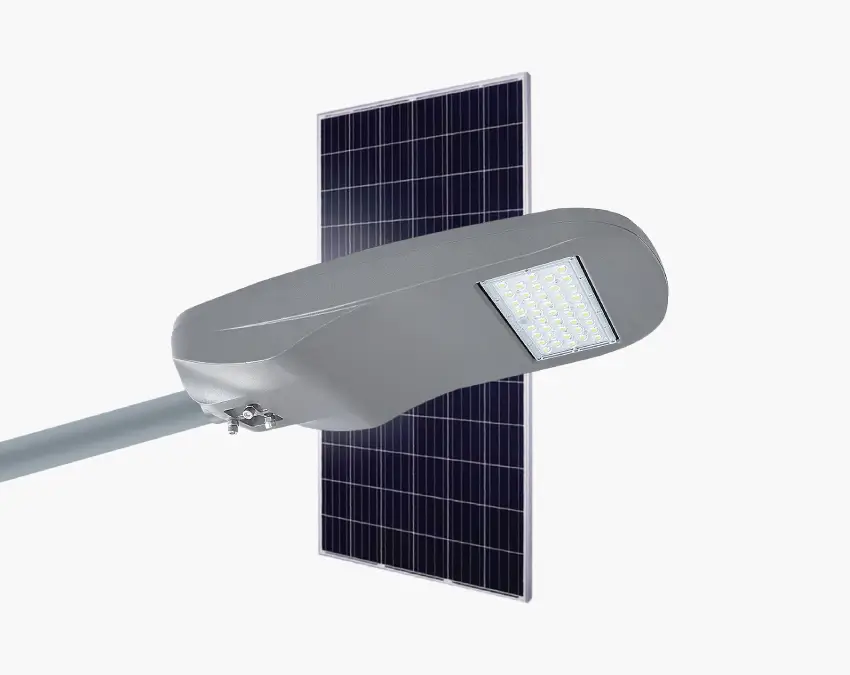
JAGUAR (INL-AIT5)
All-in-two architecture for projects that need separate PV orientation from the luminaire. Confirm the quoted order code, photometry, battery, controller, mounting and environmental ratings before including it in a highway lighting layout.
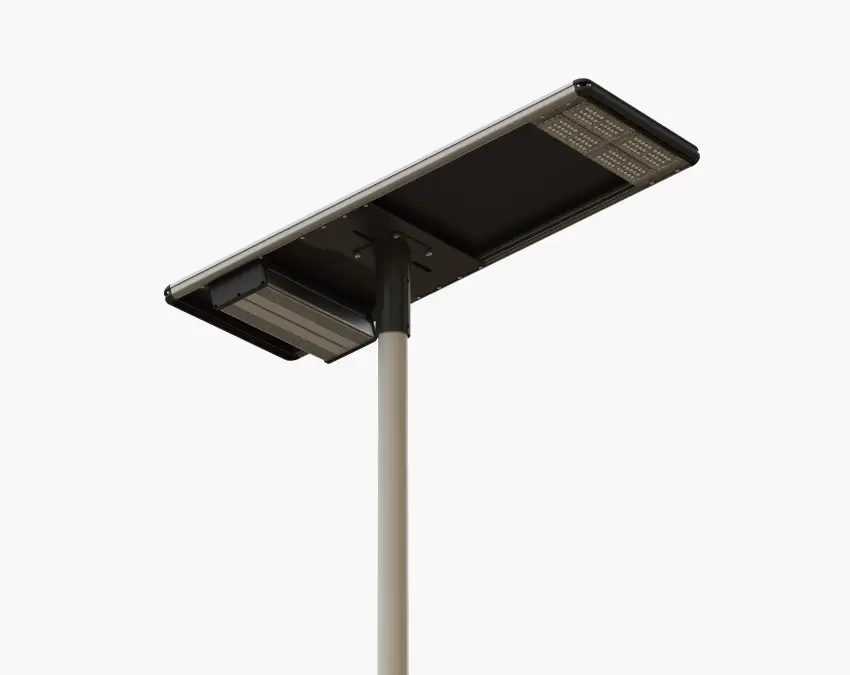
SIRIUS (INL-AIO9)
High-output AIO9 with adjustable head, Type II/III optics, 7070 LEDs and LiFePO4—built for two-way roads and highways.
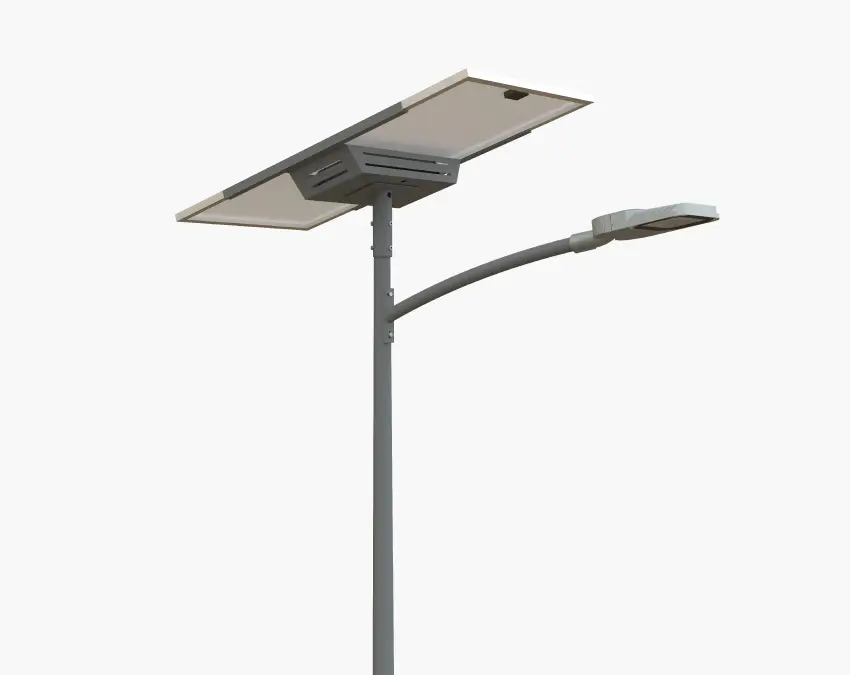
Bateria de lítio APOLLO
Sistema do tipo dividido com armazenamento LiFePO4, LEDs 5050, telemetria inteligente/de movimento opcional; painel e ângulos de lâmpada flexíveis para maximizar o rendimento e a cobertura de ruas, caminhos e estacionamentos.
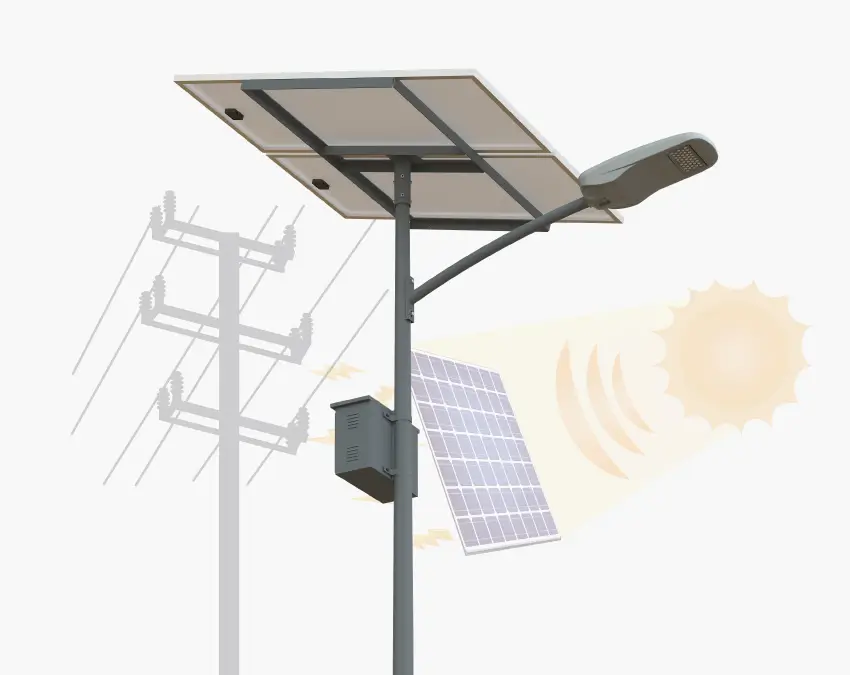
Solar AC Híbrido
Solar-first architecture with AC backup when the project defines the changeover logic, available supply and operating schedule. Nightly performance remains subject to the approved energy model, controls and installation conditions.
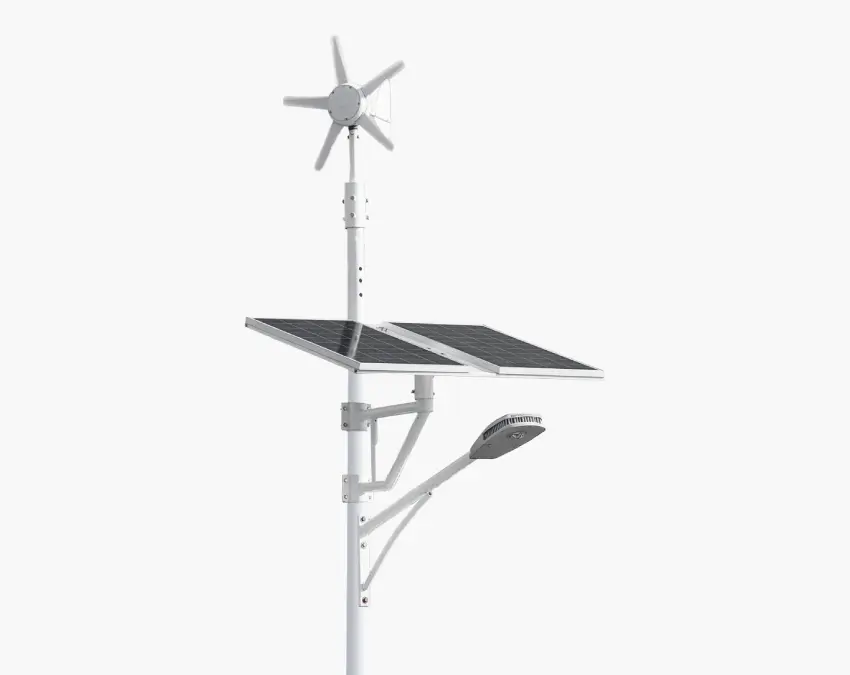
Híbrido solar e eólico
Combines PV and wind inputs where measured resource data and the project energy model justify both sources. Confirm turbine, controller, storage, structure, noise and maintenance scope before selection.
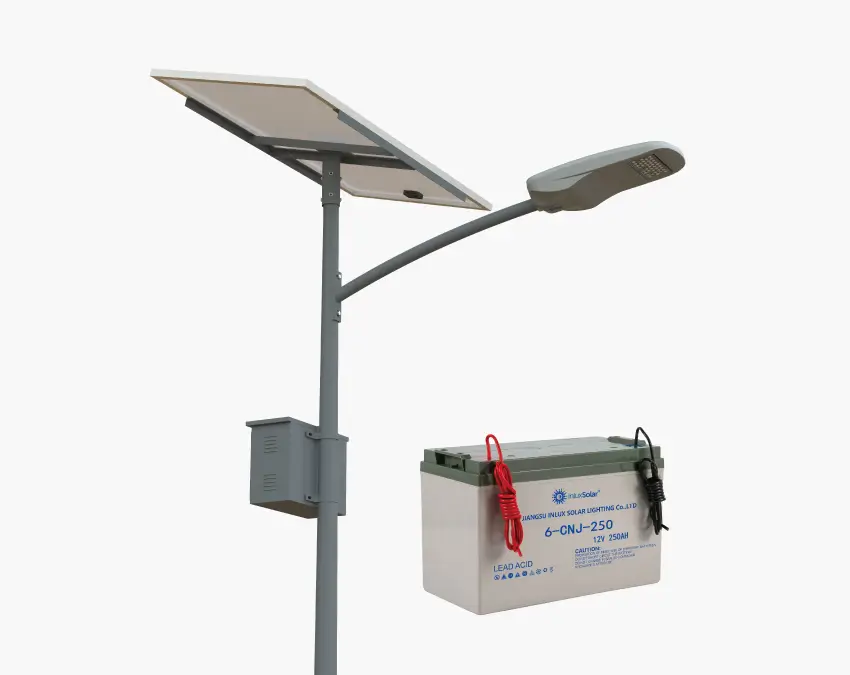
Bateria de gel MARS
Sistema do tipo dividido que usa baterias de gel duráveis; orientação fotovoltaica separada para carregamento mais forte, fácil acesso a serviços e autonomia noturna confiável para estradas municipais e áreas comunitárias.
LED Highway Street Lights
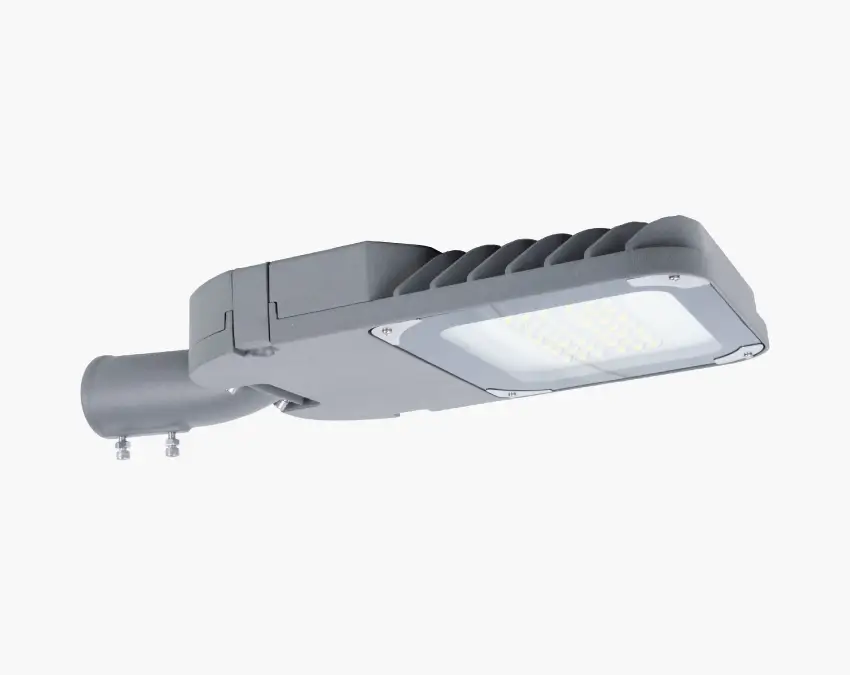
INL-LED25 - Luz de rua de LED
Pacotes de 100-200 W, óptica de estrada e drivers prontos para controles para estradas principais e coletoras.
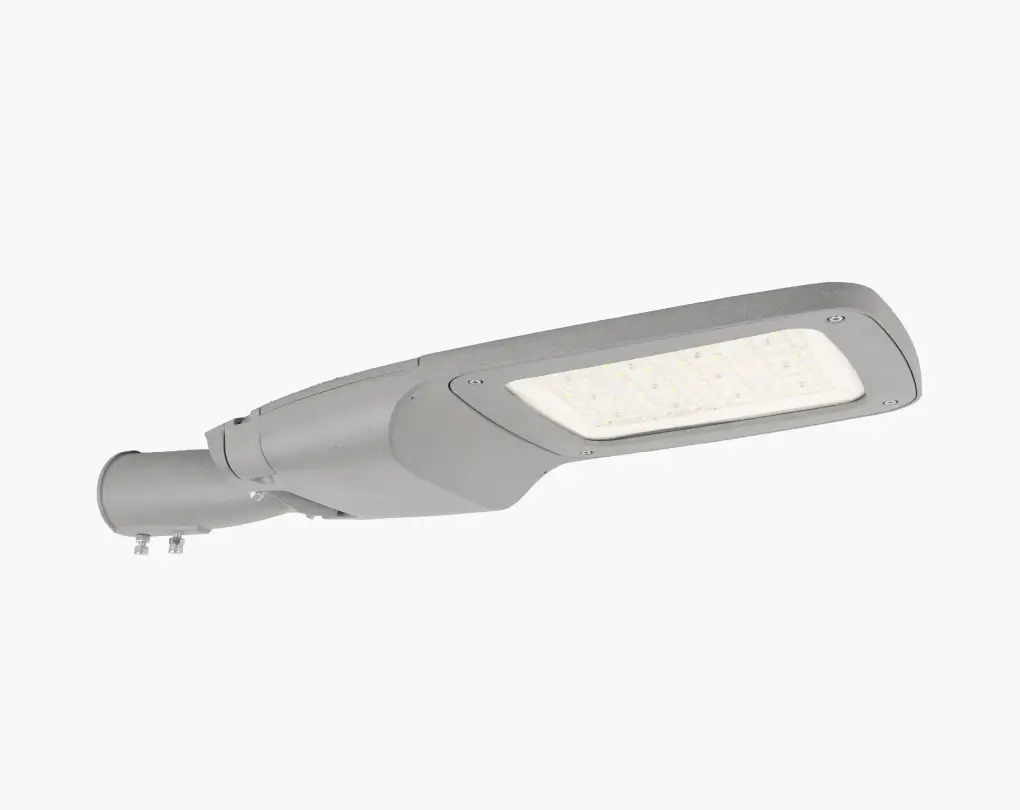
INL-LED24 - Luz de rua de LED
50-200 W com óptica precisa Tipo II/III/V; serviço sem ferramentas e opções de SPD para municípios.
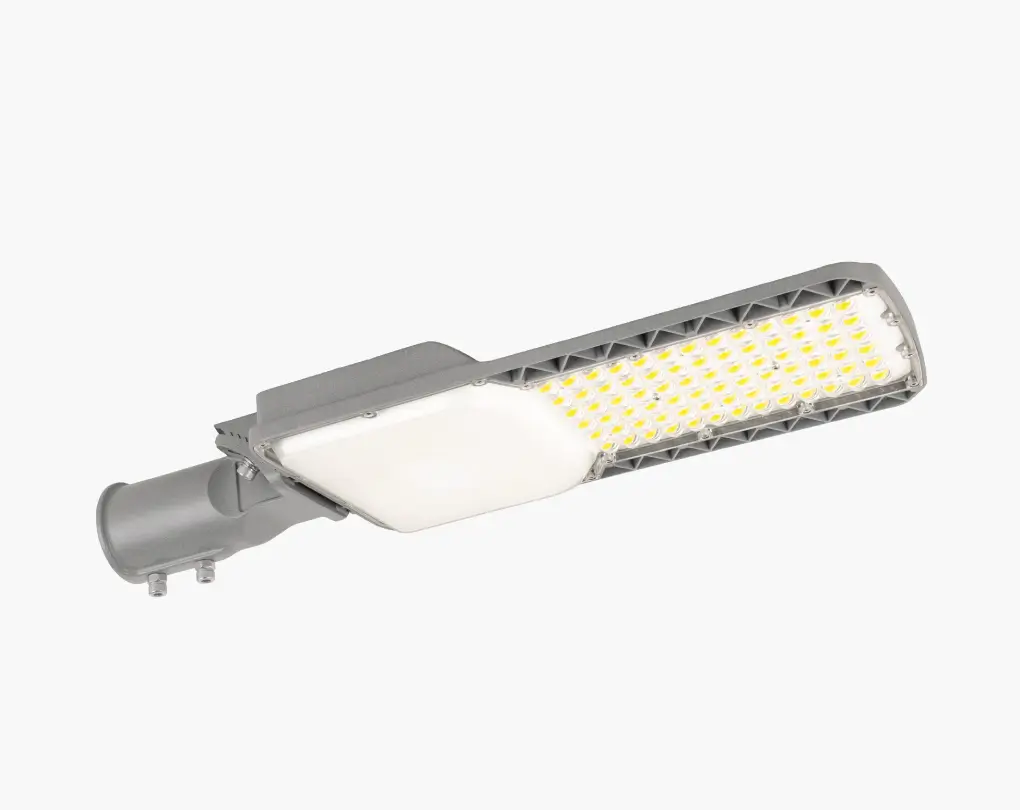
INL-LED23 - Luz de rua de LED
Faixa de alta potência de 50-240 W para espaçamentos mais amplos; vários suportes de braço/slip-fitter.
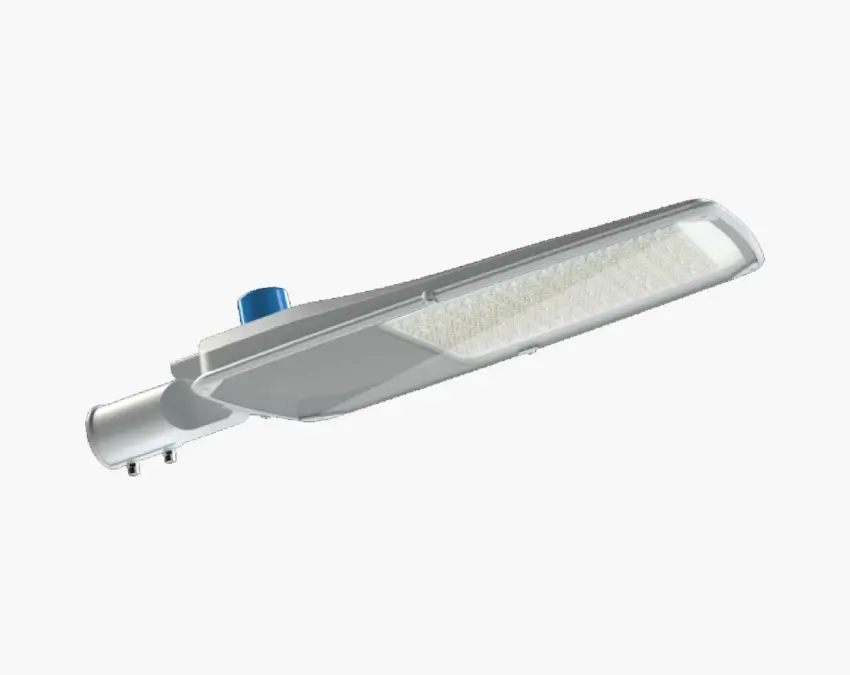
INL-LED22 - Luz de rua de LED
Plataforma versátil de 60-200 W com opções de controles e distribuições de pista.
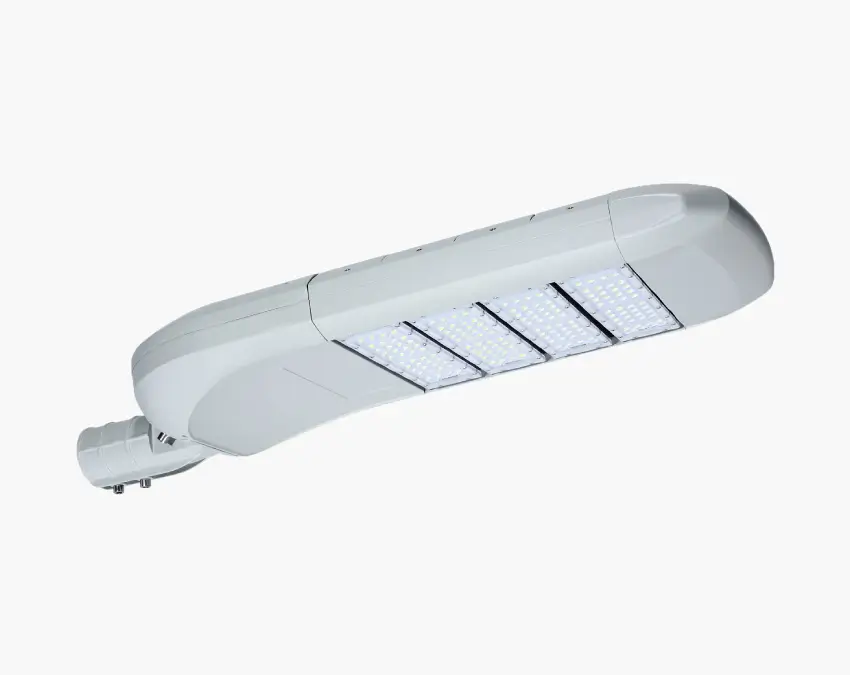
INL-LED13 - Luz de rua de LED
60-200 W com invólucro fundido durável e classificações IP/IK para ruas e lotes urbanos.