







Refugee Camp Lighting
Reliable, low-glare lighting for safety, dignity, and rapid deployment. We design camp layouts for streets, aisles, WASH routes, gates, and queue areas using EN 13201 / IES RP-8 for internal roads and paths, EN 12464-2 for outdoor work areas, IES G-1 for CCTV recognition, and BUG TM-15 to control glare and spill. Warm-to-neutral CCT and CRI ≥80 support comfort and visibility, while solar-first options with smart dimming ensure resilient, trench-free lighting where grid power is limited.
Key Considerations

Safety First, Not Brightness First
Meet night safety and activity needs with the lowest effective light levels and capped glare.

Standards Mapping
Use EN 13201 / IES RP-8 for internal roads/paths, EN 12464-2 for work zones (clinics, logistics), IES G-1 for CCTV recognition, and BUG TM-15 for spill control.

Uniformity Over Peaks
Target practical U₀/Uᵢ ratios to remove dark corners rather than chasing high averages.

CCT/CRI Policy
Favor 3000–4000K and CRI ≥80 for comfort, color fidelity, and face/plate recognition.

Vertical/Semicylindrical Illuminance
Provide recognition-grade vertical light at gates, WASH routes, and distribution queues.

Solar-First Resilience
Prioritize solar where grid is weak; size for risk-based autonomy (weather, season, latitude).

Controls & Curfew
Time-of-night dimming with sensor boost for late hours to save energy without reducing safety.
Glare/Spill Mitigation
Use low-BUG optics, back-light shields, and zero-tilt aiming to protect shelters and tents.

Durability & Protection
Specify IP66/IK09+, surge protection, anti-corrosion finishes, and anti-theft fasteners.

Maintainability & Training
Modular parts, clear spares list, and short training for local maintenance teams.
Design Principles

Light Where People Are
Prioritize paths, queues, and gathering points over empty setbacks.

Even Sightlines
Pole rhythm and luminance gradients guide movement and reduce fear of dark gaps.

Keep Light on Task
Type II/III distributions and correct offsets keep light off façades and tent interiors.

Curfew Profiles
Dim to curfew levels with instant sensor-based restoration.

Camera-Friendly Lighting
Limit veiling luminance and provide vertical light for analytics to work.

Portable & Redeployable
Favor systems that can be relocated as camp layouts evolve.
Lifecycle ROI
Controls + autonomy sizing cut OPEX and truck rolls.

Culturally Sensitive
Warmer tones near living zones; avoid intrusive glare at prayer/quiet areas.
Solutions by Scenario
Camp Entrances & Registration
Recognition-grade vertical light with capped glare for IDs and signage.
Food Distribution & Cash Queues
Uniform light across lines and exits to prevent crowding risks.
WASH Routes (Latrines/Showers)
Shielded path lighting with sensor boost for privacy and safety.
Shelter Aisles & Footpaths
Low-glare Type II optics for wayfinding without lighting up interiors.
Clinics & Health Posts
EN 12464-2 referenced task/area lighting around triage and ambulance bays.
Learning & Community Tents
Softer vertical light supporting supervision and comfort.
Perimeter & Patrol Routes
Cut-off distributions for detection without spill into neighboring residences.
Logistics Yards & Warehouses
Higher mounting and robust optics for loading and security.
Temporary Reception Sites
Portable, fast-deploy units with pre-set dimming profiles.
Market Stalls & Charging Points
Balanced CCT and glare control for trade areas and device charging stations.
What You Get
- Camp lighting layout referencing EN 13201 / IES RP-8 / EN 12464-2 / BUG with uniformity & glare checks.
- Vertical illuminance review for gates, queues, WASH and camera corridors.
- Pole/optics schedule(heights, offsets, foundations, EPA/wind notes)。
- Controls & autonomy plan(curfew profiles, sensor logic, solar sizing & expected nights)。
- BOM & submittals(datasheets, IES files, warranties, install drawings)。
- Compliance mapping to local/agency requirements.
Recommended Solar Street Light Products
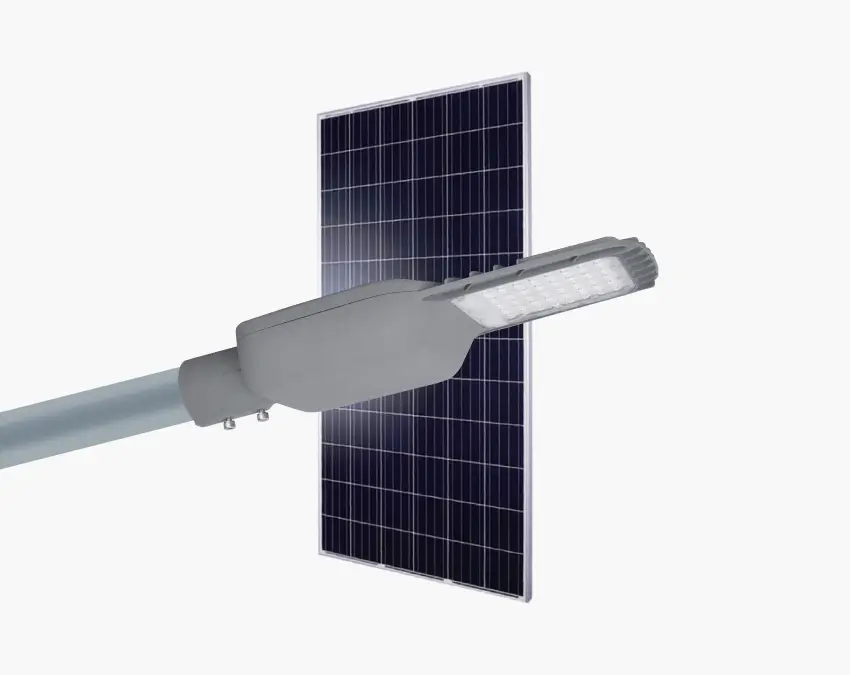
BISON (INL-AIT7)
Compact, efficient, >180 lm/W class—community and industrial yards ready.
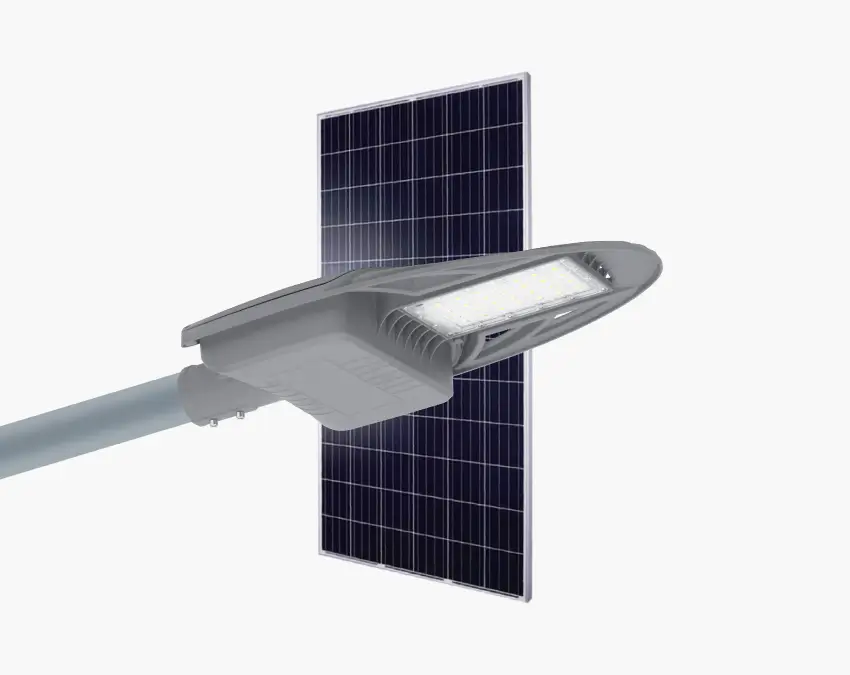
FALCON (INL-AIT6)
Mid-output, versatile optics, fast installation—ideal for streets, pathways, and lots.
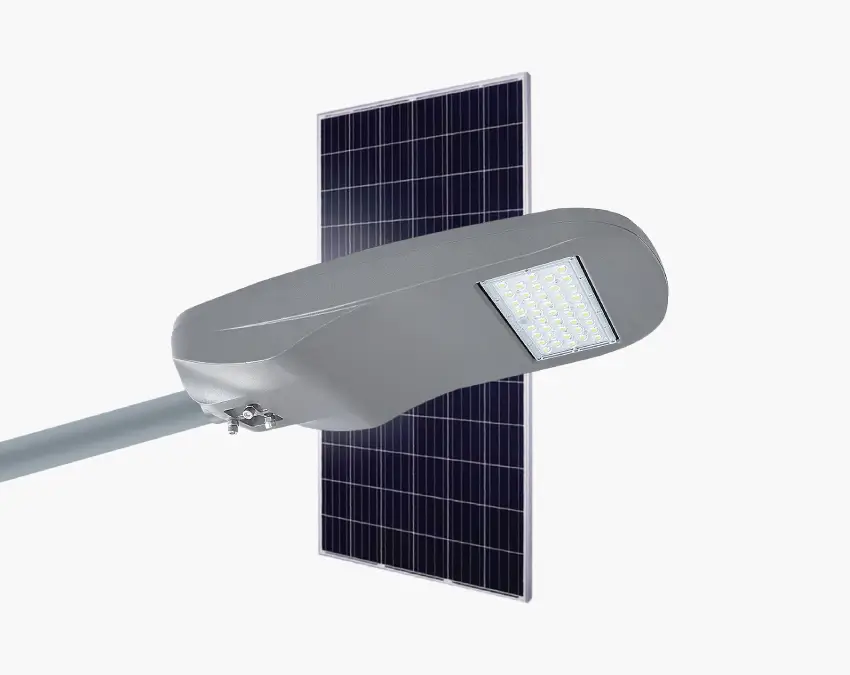
JAGUAR (INL-AIT5)
High-output all-in-two with 5050 LEDs, large LiFePO4, advanced optics—built for highways and major roads.
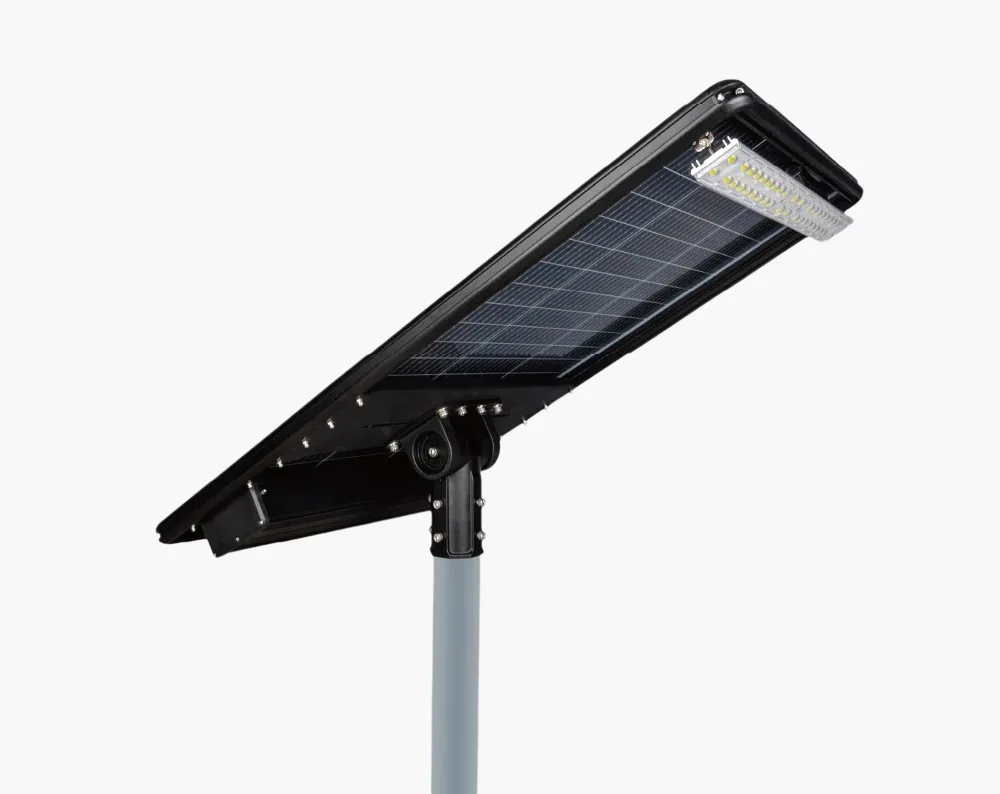
SIRIUS (INL-AIO9)
High-output AIO with adjustable head, Type II/III optics, 5050 LEDs and LiFePO4—built for two-way roads and highways.
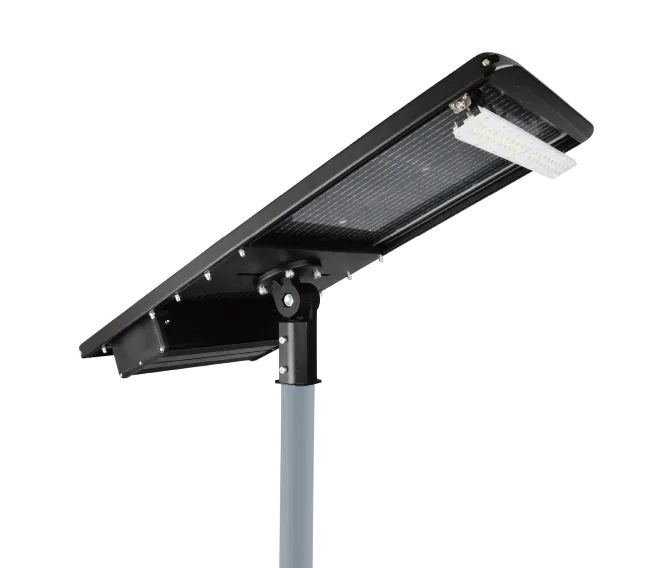
GALAXY (INL-AIO6)
Modular AIO for small-to-medium outputs; 5050 LEDs, LiFePO4 and optional motion/IoT—easy maintenance for streets, pathways, parking.
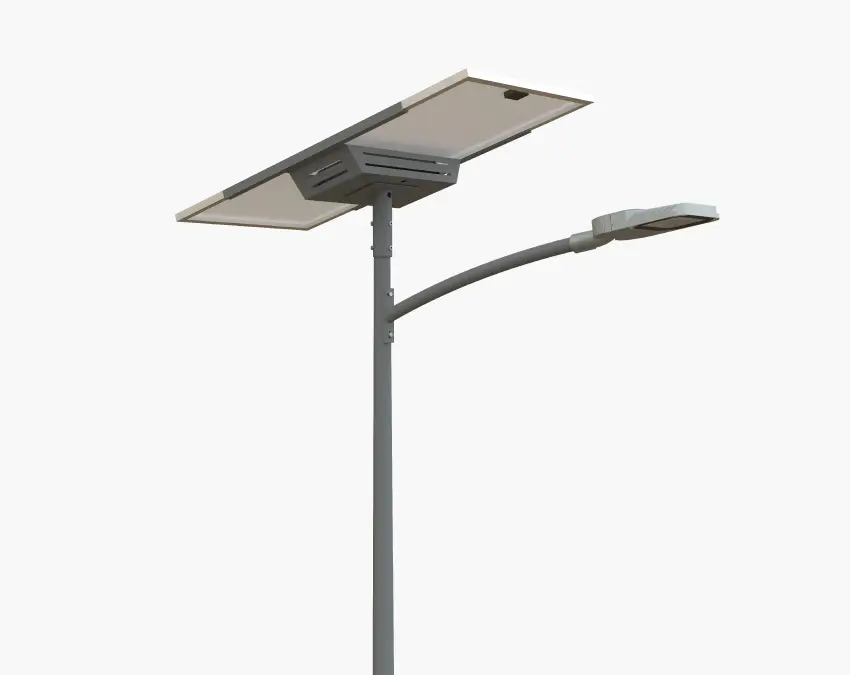
APOLLO Lithium Battery
Split-type system with LiFePO4 storage, 5050 LEDs, optional motion/smart telemetry; flexible panel and lamp angles to maximize yield and coverage for streets, pathways, and parking lots.
Recommended LED Street Light Products
Discover our LED street light solutions designed for park and recreation lighting scenarios. These products can all be customized according to your project specifications requirements.
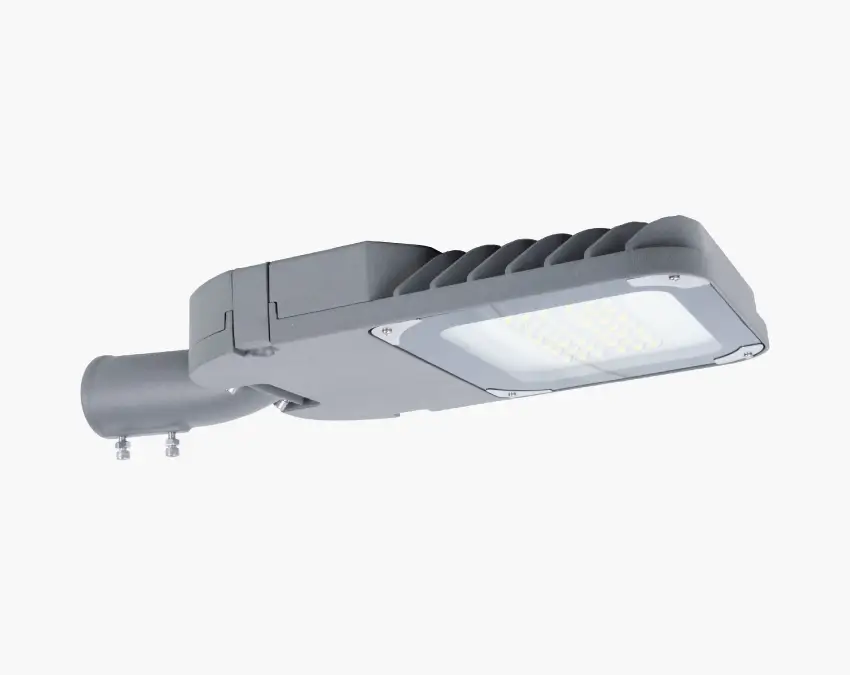
INL-LED25 — LED Street Light
100–200 W packages, roadway optics and controls-ready drivers for main and collector roads.
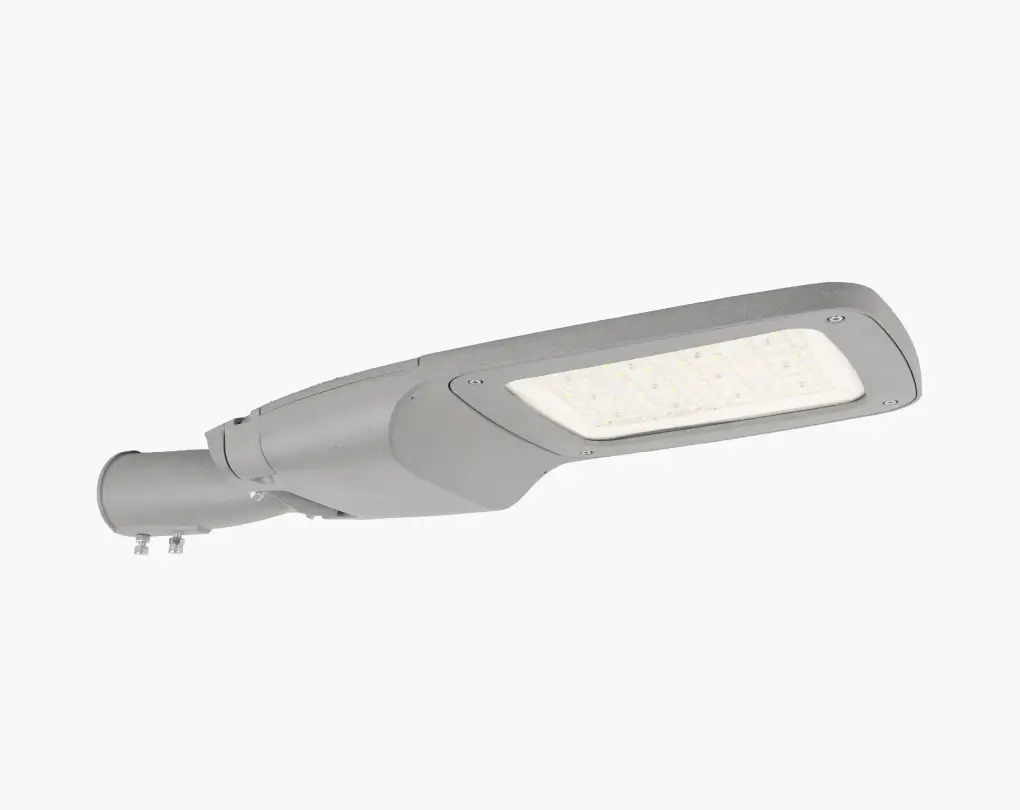
INL-LED24 — LED Street Light
50–200 W with precise Type II/III/V optics; tool-less service and SPD options for municipalities.
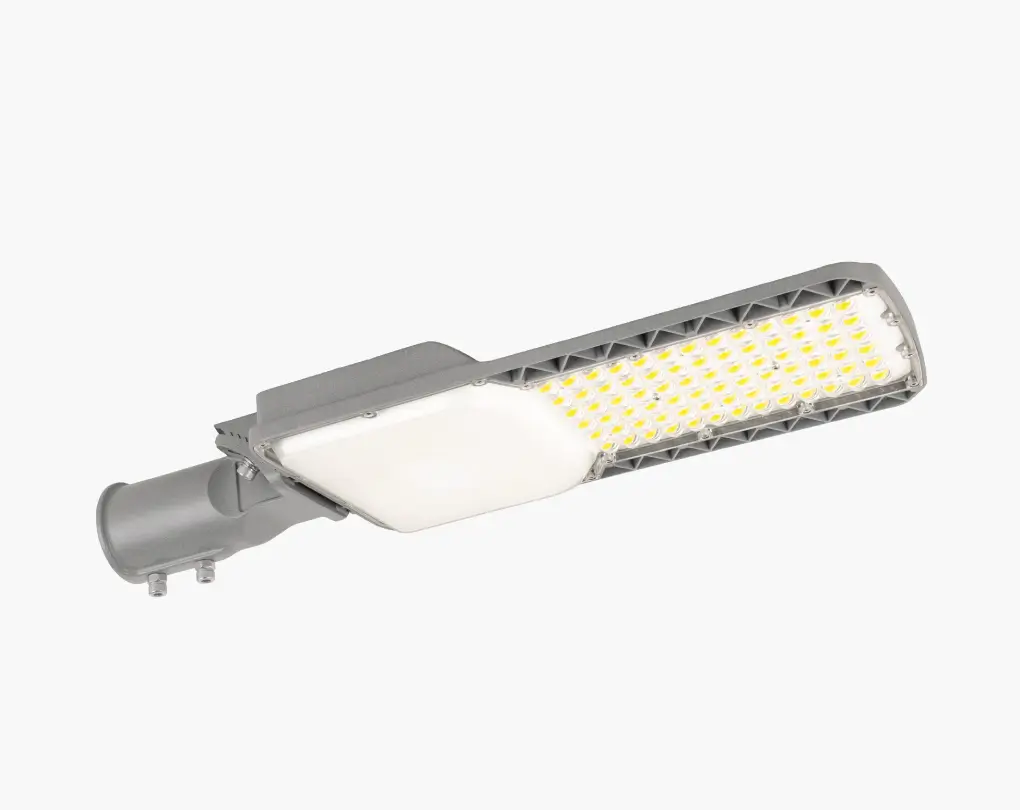
INL-LED23 — LED Street Light
50–240 W high-output range for wider spacings; multiple arm/slip-fitter mounts.
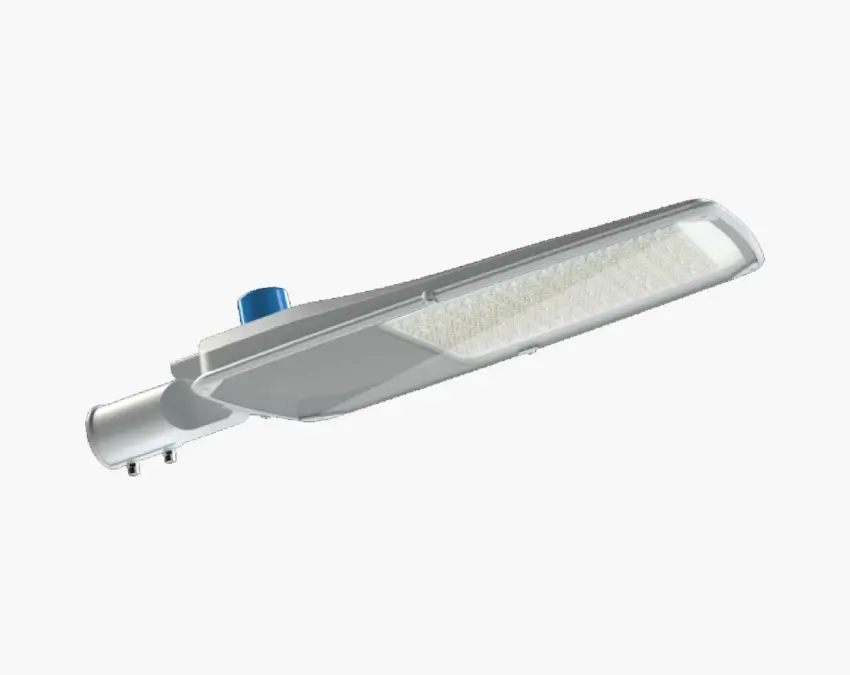
INL-LED22 — LED Street Light
60–200 W versatile platform with roadway distributions and controls options.
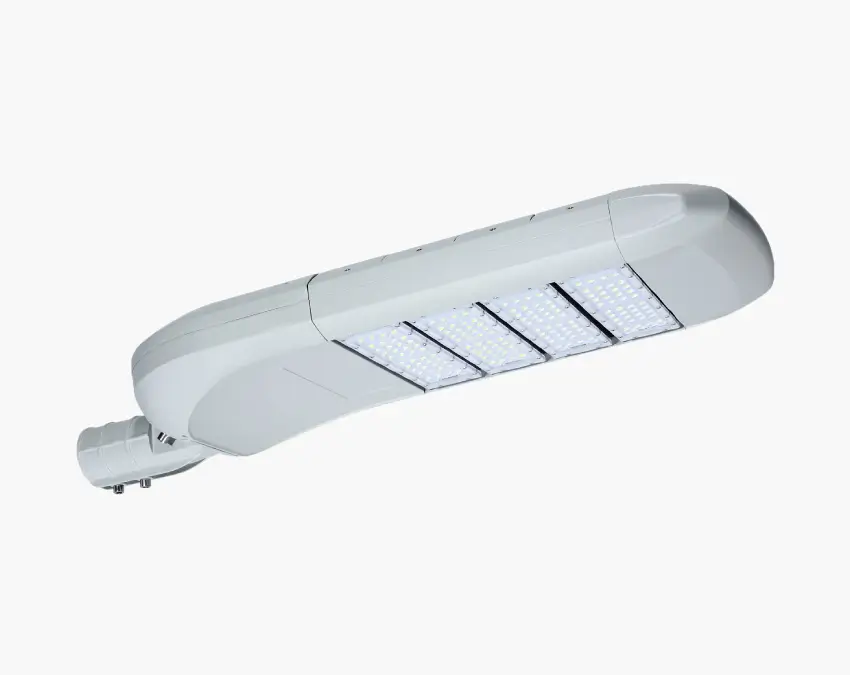
INL-LED13 — LED Street Light
60–200 W with durable die-cast housing and IP/IK ratings for urban streets and lots.
FAQs
Project review: Agree priority routes and lighting needs with camp management and the relevant protection, WASH, health and logistics teams. Battery reserve, dimming and nighttime output must be verified for the project location and operating schedule; a typical backup-night figure is not a site guarantee. Household lanterns, indoor shelter wiring and mini-grid design are separate scopes.