







Solar Pathway Lighting for Parks, Campuses & Public Walkways
Design safe, inviting illumination for walkways, greenways and campus paths—in full alignment with EN 13201 (P/SC classes) and ANSI/IES RP-8. We use the illuminance method for pedestrian and bikeway areas and add vertical or semicylindrical illuminance where facial recognition and perceived safety are needed. Optics, mounting geometry and spacing are optimized from photometric files to achieve uniformity and low glare with minimal spill. Choose solar or grid-powered LED options. Submit your site parameters and receive a standards-compliant preliminary layout, calculation report and bill of materials.
Design Principles for Pathway Lighting

Standards-led classes
Use EN 13201 P-classes for pedestrian/bikeway areas; add SC (semicylindrical) or vertical illuminance criteria where face recognition is required.

Uniformity & glare
Meet the selected class uniformity and control disability glare; verify results with calculation reports.

Conflict zones & crossings
At mid-block crossings or path-road interfaces, apply elevated vertical illuminance (commonly referenced around 20 lx at 1.5 m) to improve visibility of pedestrians.

Energy & controls
Adaptive dimming profiles; for solar systems, autonomy sizing for worst-case nights and surge protection.
Solutions by Scenario
Parks & Greenways
Comfortable P-class illuminance, good uniformity and low glare for evening strolls and cycling.
Campus & Healthcare Walkways
Enhanced vertical/semicylindrical metrics around entries and gathering areas.
Waterfronts & Promenades
Spill-controlled optics to protect adjacent habitats while maintaining safety.
Crossings & Shared-Use Nodes
Targeted vertical illuminance for recognition and conflict mitigation.
Solar Pathways
Off-grid solutions where trenching or grid tap-offs are constrained.
What You Get
- EN 13201 / IES RP-8 compliant layout (P/SC or vertical metrics as applicable)
- Photometric files (IES/LDT) + calculation reports
- Pole/foundation drawings + wiring single-line
- BOM with options (LED vs Solar, mounting heights, optics)
- O&M, warranty and acceptance checklist
Recommended Solar Street Light Products
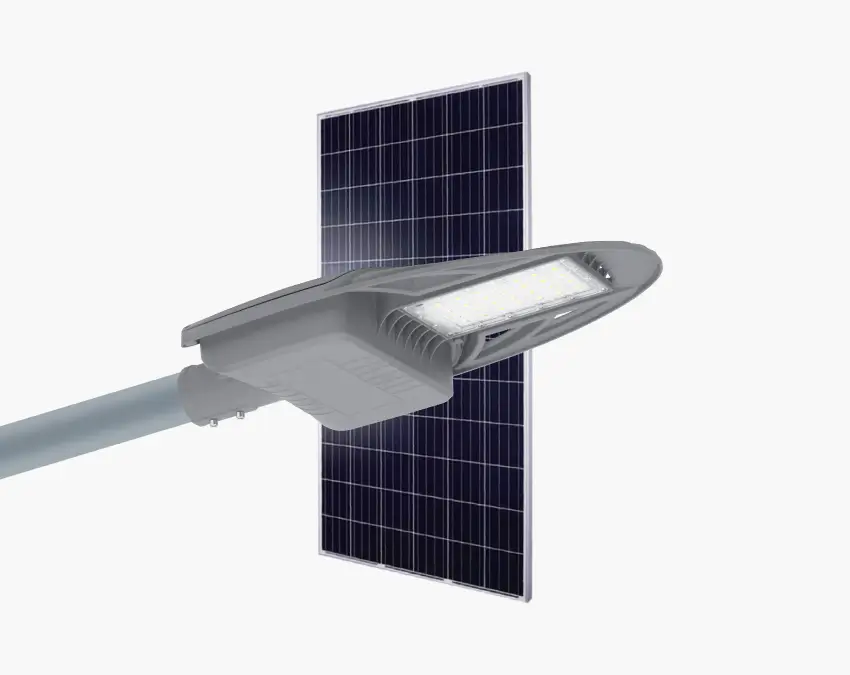
FALCON (INL-AIT6)
All-In-Two Solar Street Light
Mid-output, versatile optics, fast installation—ideal for streets, pathways, and lots.
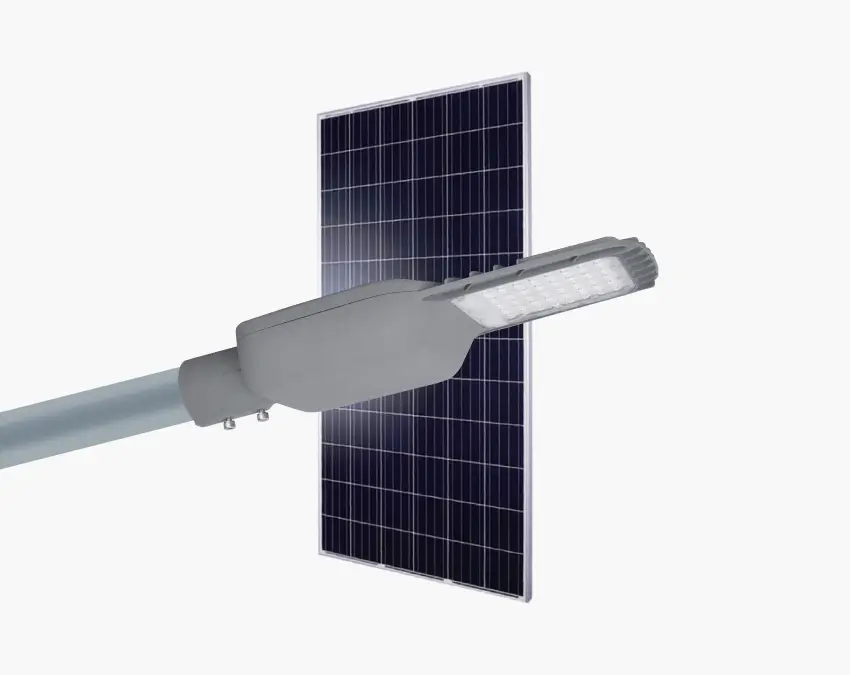
BISON (INL-AIT7)
All-In-Two Solar Street Light
Compact, efficient, >175 lm/W class—community and industrial yards ready.
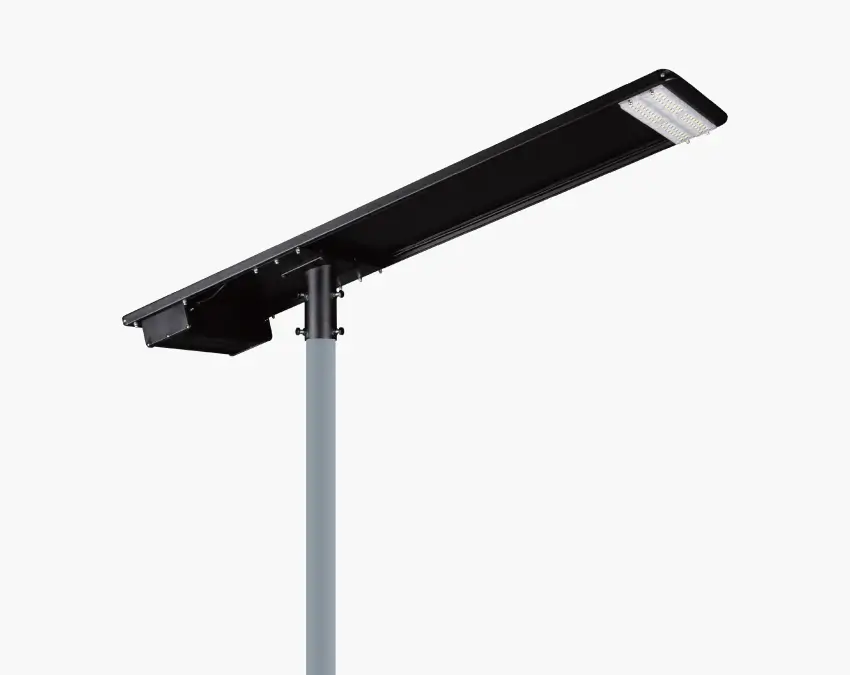
GALAXY (INL-AIO6)
All-In-One Solar Street Light
Modular AIO for small-to-medium outputs; 5050 LEDs, LiFePO4 and optional motion/IoT—easy maintenance for streets, pathways, parking.
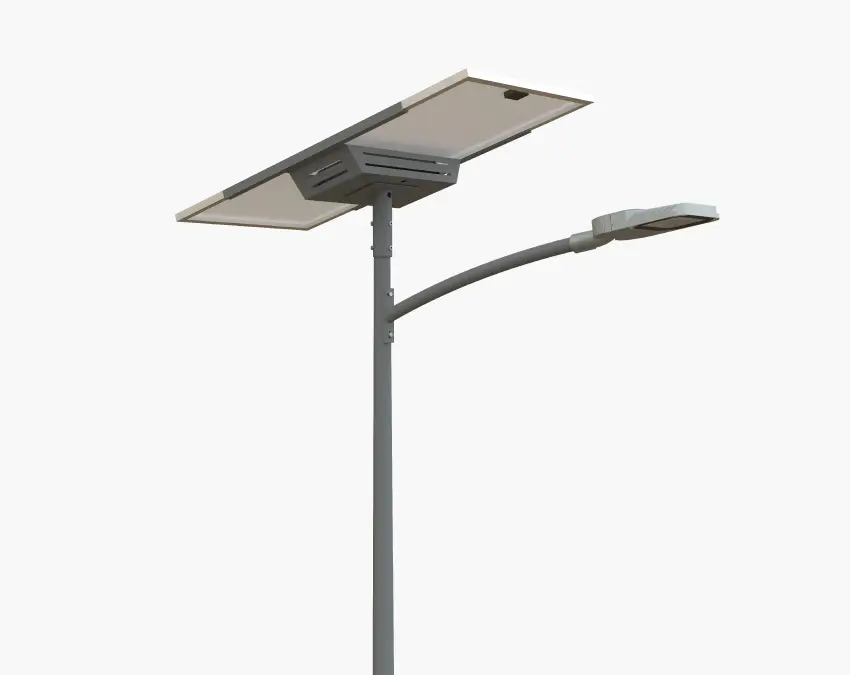
APOLLO Lithium Battery
Modular performance with long-life batteries; reliable output under varied urban conditions.
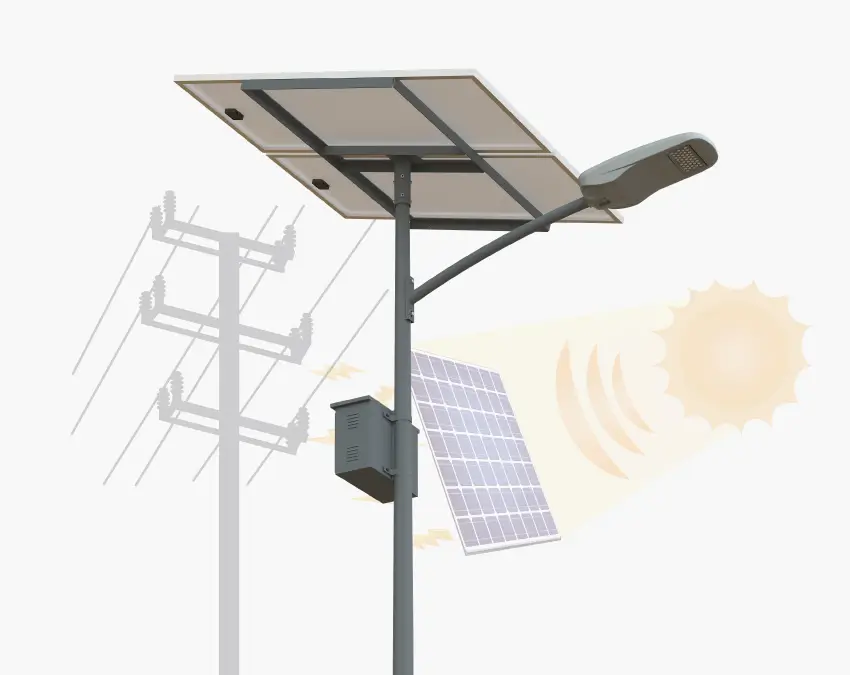
Solar AC Hybrid
Hybrid supply for critical nodes and cloudy seasons; maintain illuminance and uniformity.
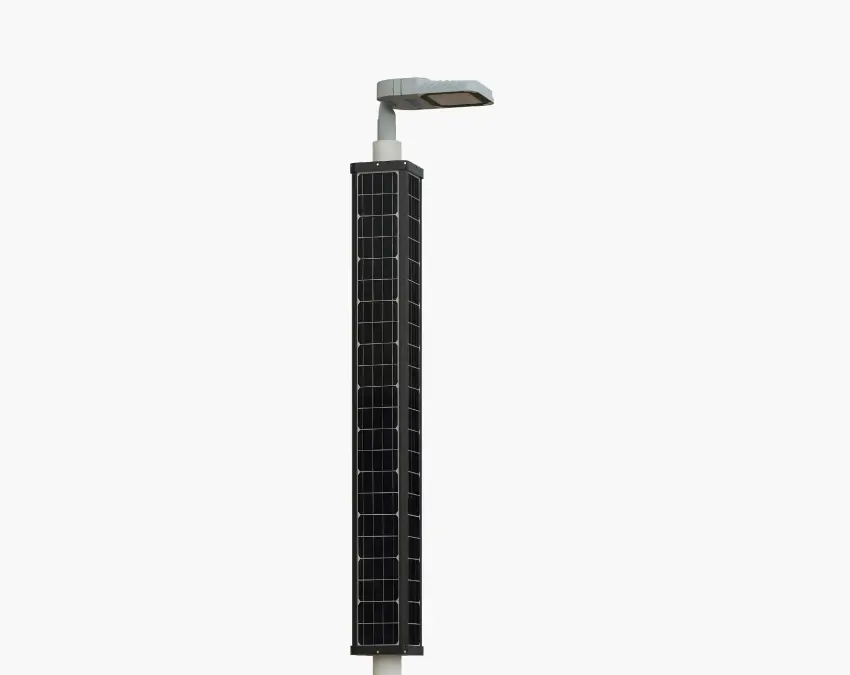
INL-SPL02 Solar Pole Street Light
Vertical PV panels with the lithium battery housed inside the pole for added security. 30–150W LED, 100–720W PV range, engineered for reliable autonomy and harsh sites.
Recommended Solar Street Light Products
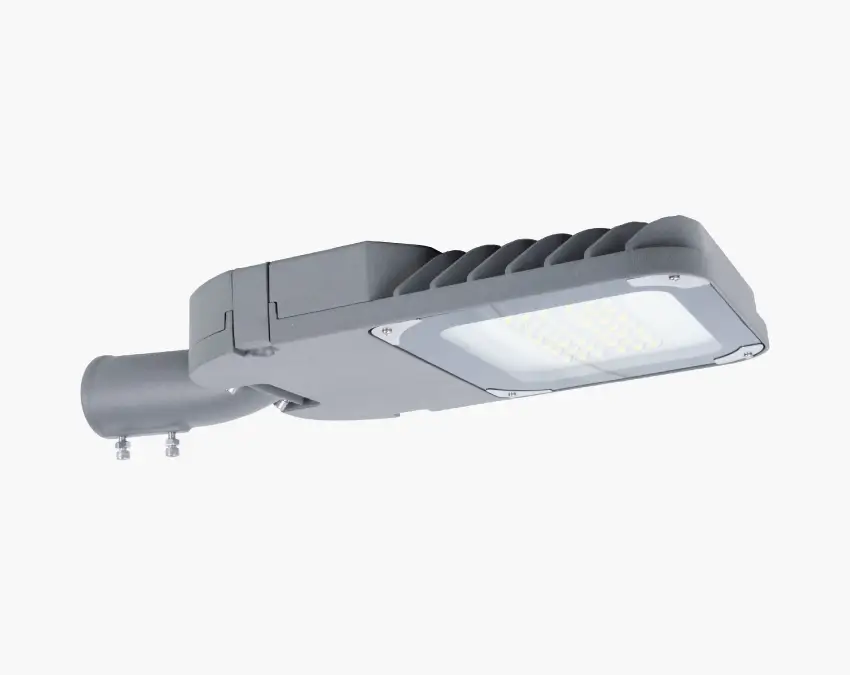
INL-LED25 — LED Street Light
100–200 W packages, roadway optics and controls-ready drivers for main and collector roads.
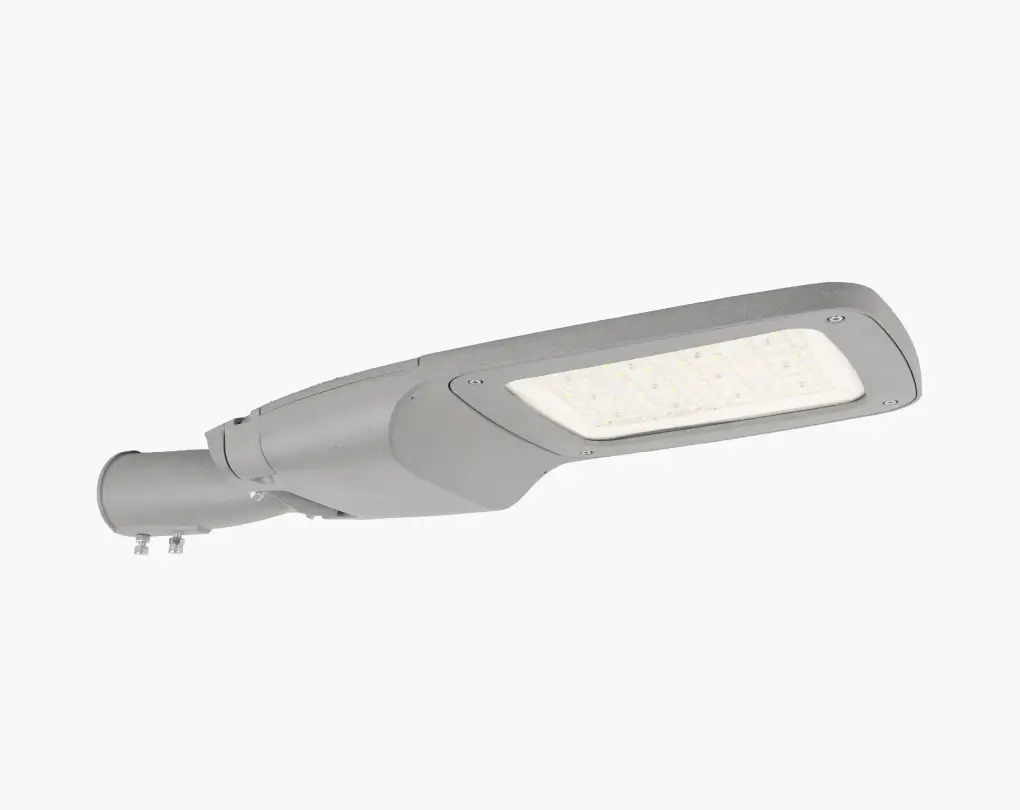
INL-LED24 — LED Street Light
50–200 W with precise Type II/III/V optics; tool-less service and SPD options for municipalities.
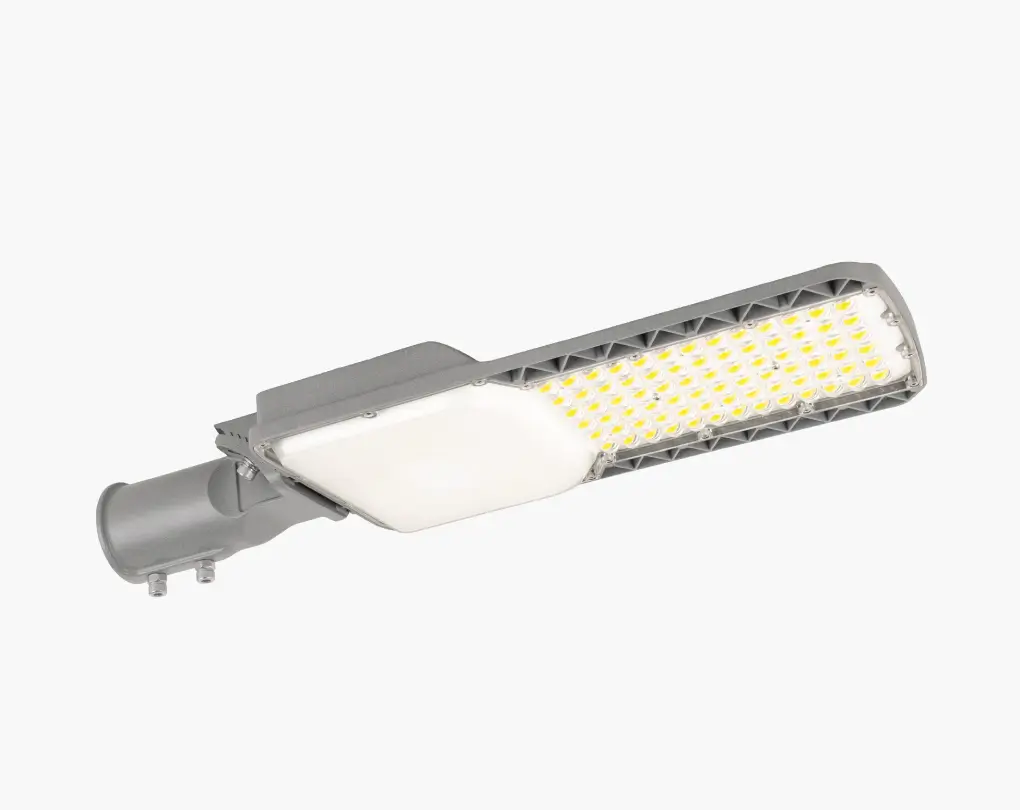
INL-LED23 — LED Street Light
50–240 W high-output range for wider spacings; multiple arm/slip-fitter mounts.
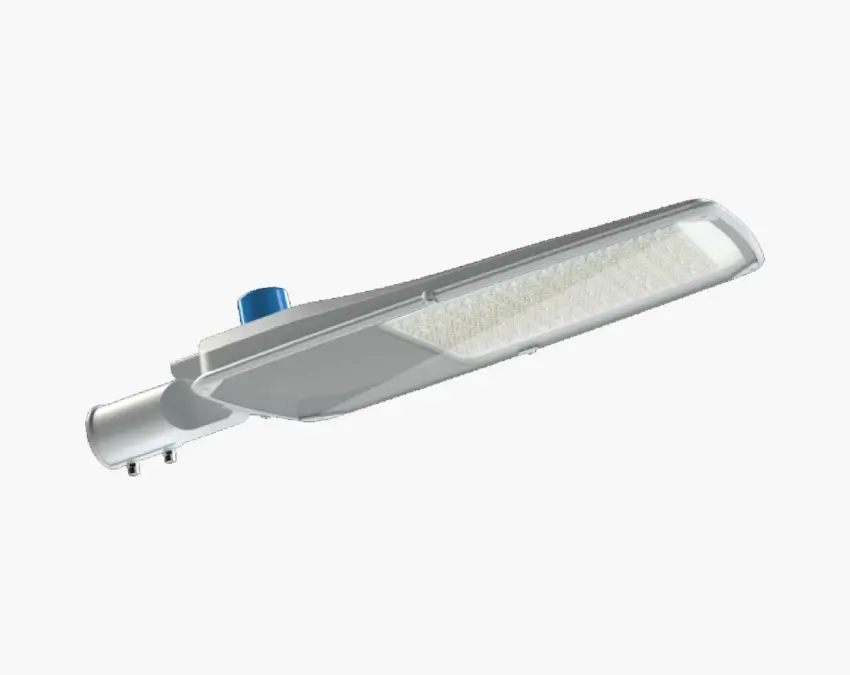
INL-LED22 — LED Street Light
60–200 W versatile platform with roadway distributions and controls options.
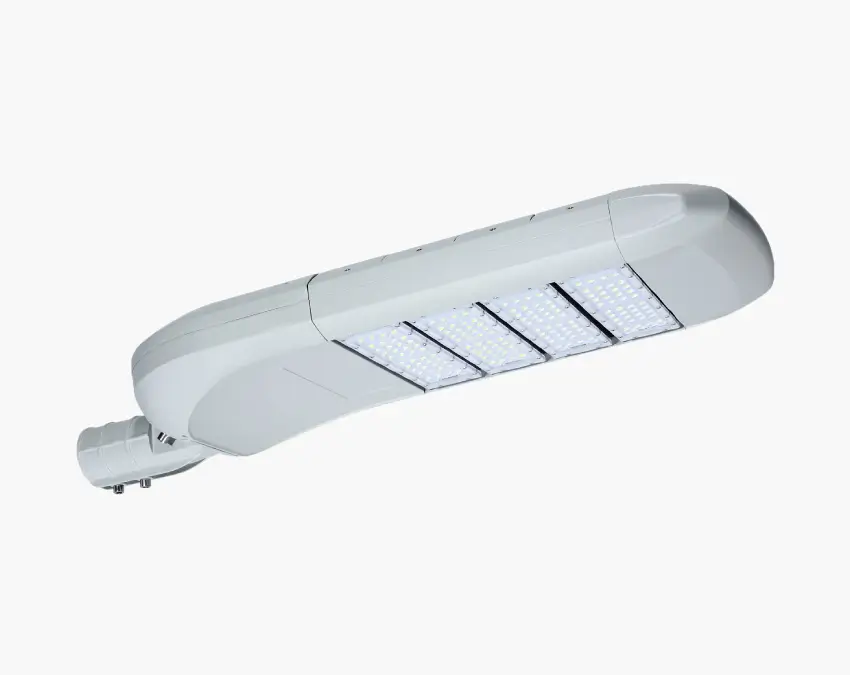
INL-LED13 — LED Street Light
60–200 W with durable die-cast housing and IP/IK ratings for urban streets and lots.