







Solar High Mast Light Manufacturer for Ports, Stadiums & Highways
Inlux Solar manufactures 400-1000W solar high mast lights for ports, stadiums, airports and highway interchanges: 20-35m hot-dip galvanized masts, EN 12193 photometric design, IES/DIALux files, deployed across 60+ countries. A solar high mast light is a complete large-area lighting system that combines a tall galvanized mast, high-output LED flood luminaires, and an independent solar power supply with battery storage. Designed for 24/7 operation in demanding outdoor environments, a solar high mast light delivers wide-area illumination without relying on the utility grid.
Compared with conventional grid-fed masts, solar high mast lighting is ideal for ports, container yards, highway interchanges, large parking lots, logistics centers, rail yards, mining sites, and remote industrial hubs where running cables is difficult or prohibitively expensive. High-efficacy LED optics provide powerful lumen output and excellent uniformity, while elevated mounting heights reduce glare and shadowing on critical working surfaces.
Because the PV array, MPPT controller, and LiFePO4 battery bank are sized to local solar conditions and required nights-of-autonomy, the system operates reliably even in locations with unstable or non-existent grid power. With no trenching, no monthly energy bills, and very low routine maintenance, solar high mast light systems offer predictable life-cycle cost and a cleaner, safer lighting solution for critical infrastructure.
High Mast Cluster Navigation
High Mast Hub · High Mast Pole (Structure Only) · AC High Mast Lighting · Solar High Mast · Stadium Mast | Guides Hub · Resources Hub · Buyer’s Guide (Bundles)
Compare Solar High Mast Configurations for Your Project
Higher charging efficiency, brighter output, project-proven reliability.
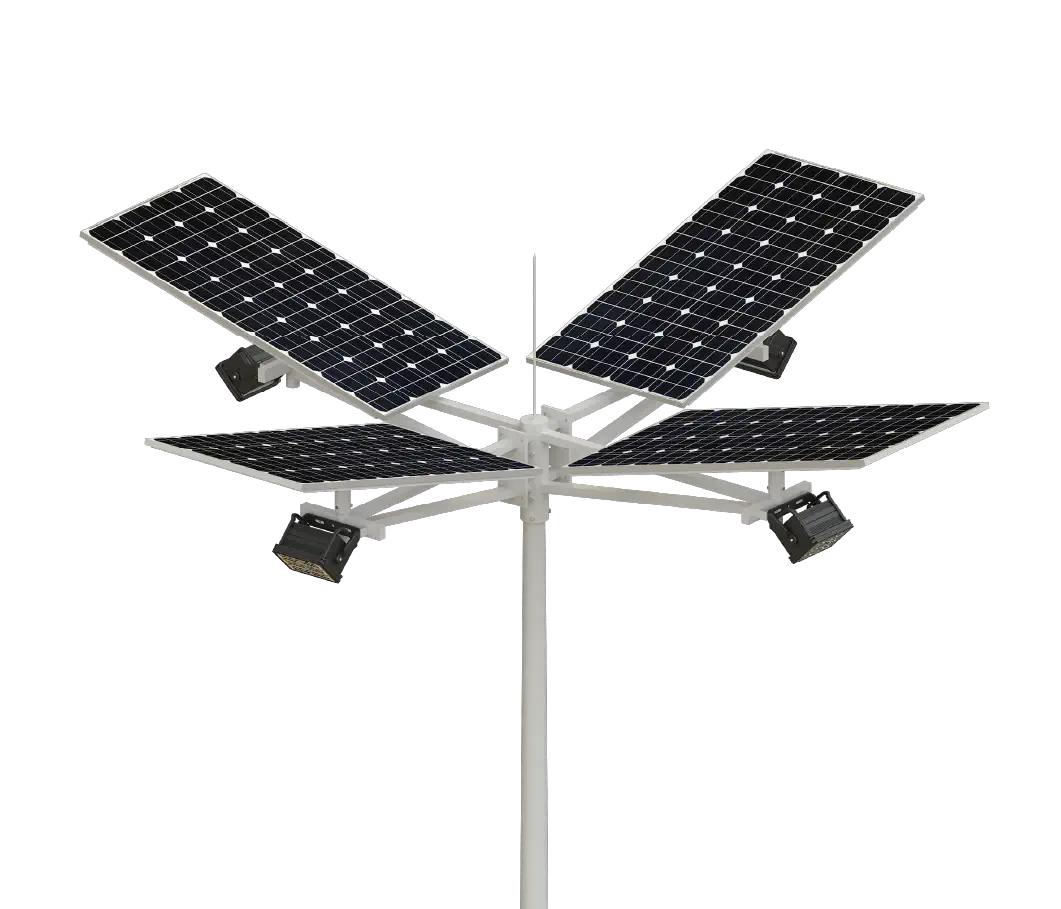
Solar Mini Mast Light
Solar-powered mini masts for lots and campuses. 6–14 m poles with multiple floodlights, tailored optics (30°/60°/90°/120°), LiFePO4 autonomy sized to site PSH, optional lowering device.
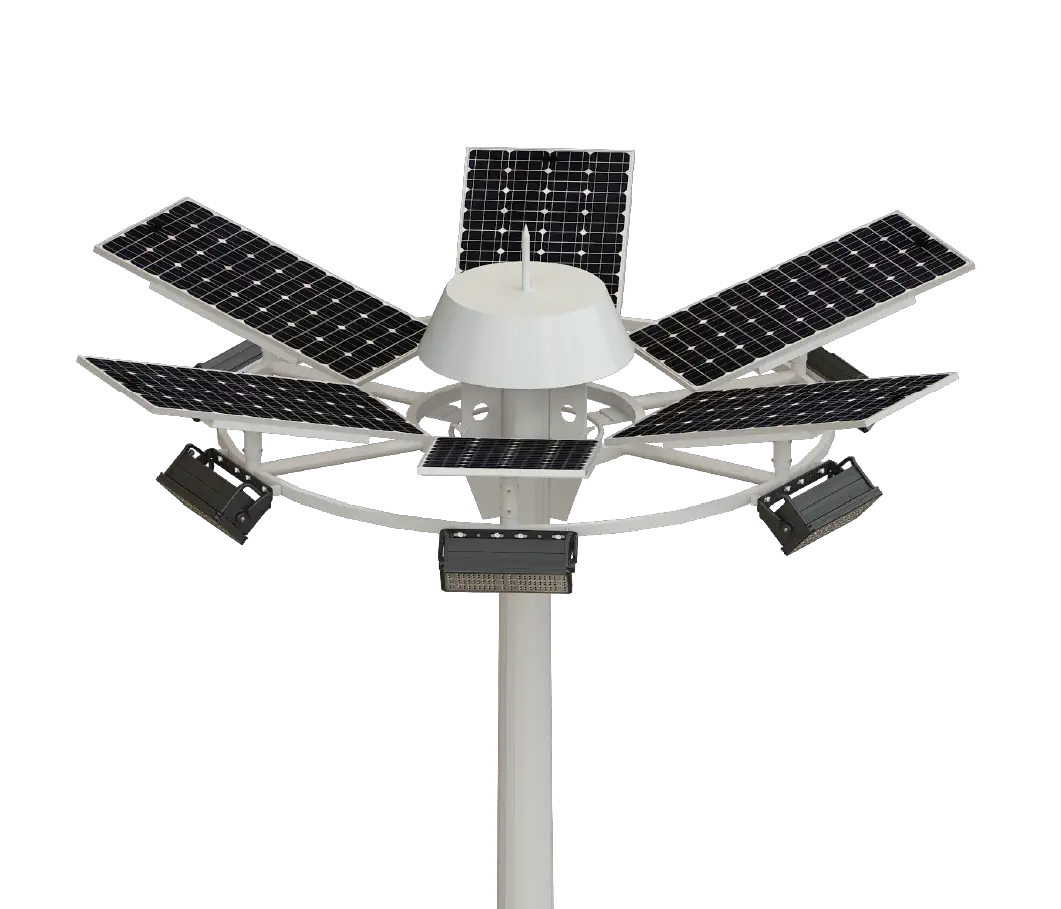
Solar Mast Light
Split-type solar high mast for large areas. 15–30 m poles, ring or directional carriages, high-efficacy flood arrays, PV + LiFePO4 sized to latitude and nights-of-backup.

Integrated Solar Mast Light
All-in-one solar luminaires paired with high masts for simplified wiring. 15–30 m pole options, engineered optics and autonomy, with wind-load checks and optional lowering system.

Solar Tower Light
Solar-powered tower lighting for remote or temporary sites, with telescopic mast and modular flood arrays. Designed for quick deployment and maintenance.
Solar High Mast Project Inputs for EPC and Municipal Buyers
A mast height or LED wattage alone cannot define the system. The lighting layout, target illuminance and uniformity, operating schedule, local solar conditions, autonomy requirement, wind exposure and maintenance access all affect the configuration.
- Site: location, application and an approximate layout or drawing.
- Lighting: target area, operating hours and any tender requirements for illuminance or uniformity.
- Structure and power: preferred mast height, wind-design basis, grid availability and requested nights of backup.
- Procurement scope: number of masts and whether poles, foundations, installation or commissioning are in the requested supply.
Compare the solar mast light product format, prepare the project input sheet, and review the available photometric resources. Final files and supply scope should be confirmed for the project.
Solar High Mast Light Selection Guide
How to Specify a Solar High Mast System
Start from target lux and uniformity, then choose mast height Mini 6–14 m (small-scale), Standard 15–30 m (large-scale), ring vs directional mounting, beam angles (30°/60°/90°/120°) and roadway distributions (II/III/V). Provide latitude, PSH and nights-of-backup to size PV, MPPT and LiFePO4 capacity. Confirm wind-speed/EPA and seismic category for the mast and carriage; specify hot-dip galvanizing with optional powder coat for coastal or industrial sites. Add a winch-based lowering device where bucket-truck access is limited.
Solar High Mast Light Specifications & Configurations
Below are typical solar high mast light configurations for ports, yards, and interchanges. All parameters can be customized according to project requirements and local standards.
Note on power ratings: the LED Power (W) shown in each row is the output per flood module. A single solar high mast typically carries multiple modules, so the total installed LED power per mast commonly reaches 400–1,000 W — the range cited in this page’s title — configured to the target lux and coverage area.
Indicative values for reference. Final design will be confirmed through detailed DIALux/IES calculations and structural checks.
| Configuration | LED Power (W) | Luminous Flux (lm) | Mounting Height (m) | Solar Panel (Wp) | Battery Capacity (kWh) | Typical Pole Spacing* (m) |
|---|---|---|---|---|---|---|
| 80 W Solar Mast System | 80 | 12,000–14,000 | 20 | 600–800 | 3.0–4.0 | 25–30 |
| 120 W Solar Mast System | 120 | 18,000–21,000 | 25 | 900–1,200 | 4.5–6.0 | 30–35 |
| 160 W Solar Mast System | 160 | 24,000–28,000 | 30 | 1,200–1,600 | 6.0–8.0 | 35–40 |
| 200 W Solar Mast System | 200 | 30,000–35,000 | 30–35 | 1,600–2,000 | 8.0–10.0 | 40–45 |
*Indicative spacing for reference only. Final spacing will be confirmed by DIALux/IES photometric design and site constraints.
Why choose solar high mast lights
When you choose an Inlux solar high mast lighting solution, you gain both strong technical performance and smoother project delivery from design to commissioning. Key advantages include:
- No trenching or cabling
Solar mast light systems are fully off-grid, eliminating long cable runs, trenching, and switchgear. This reduces civil-work costs, avoids conflicts with buried utilities, and minimizes disruption to busy ports, yards, and highways during installation. - Reliable in areas with unstable or no grid
Each system is sized with PV modules, MPPT controllers, and LiFePO4 batteries based on latitude, peak sun hours, and nights-of-backup. Even in regions with frequent outages or no grid at all, solar high mast lighting can maintain required lux levels and uniformity. - Compliance with EN/IES lighting standards
Our solar mast light systems are engineered according to EN 13201, IES RP-8, and relevant national codes. Optimized optics, beam distributions, and mounting heights help achieve target illuminance, uniformity, glare control, and visual comfort for drivers and workers. - High lumen output and excellent uniformity
Multi-module LED flood arrays on a single mast provide powerful lumen packages with carefully selected beam angles. This allows large, open areas to be lit from fewer poles, improving uniformity and reducing dark spots compared with low-mounted fixtures. - Durable construction and low maintenance
Hot-dip galvanized (and optionally powder-coated) poles, corrosion-resistant hardware, and IP-rated luminaires withstand harsh coastal and industrial environments. LED and LiFePO4 technology delivers long lifetimes, so maintenance is mostly limited to periodic cleaning and inspection. - 5+ year warranty and long-term support
Inlux Solar offers multi-year system warranties and long-term spare-parts support. From tendering to after-sales, our engineering team stands behind each solar high mast light project with documentation, training, and remote assistance.
Engineering Support & Standards
Inlux Solar provides full engineering support so your solar high mast lighting project is technically sound, compliant, and easy to approve.
We start with your drawings, target lux levels, and site conditions, then produce complete photometric and structural documentation:
- DIALux/IES design support
DIALux layouts with iso-lux plots, 3D views, point-by-point calculations, and summary tables for each lighting area. This confirms average/minimum illuminance, uniformity, and glare indicators before procurement. - Standards-based design
Designs follow EN 13201, IES RP-8, and local road/area lighting standards as required by the tender. Beam distributions, mast heights, and pole spacing are selected to meet the defined lighting class and visual comfort criteria. - Wind load & pole strength calculations
We check mast and carriage wind loads, effective projected area (EPA), and safety factors according to the local wind zone and structural codes. Foundation dimensions and anchor-bolt cages are recommended for safe installation. - System sizing & protection
PV, battery, and controller sizing is based on latitude, peak sun hours, and nights-of-backup. Surge protection devices, over-current protection, and cable sizing are specified for long-term reliability.
This engineering package makes it easier for consultants, contractors, and end-users to validate and approve your solar high mast light solution.
Tender Deliverables (Available on Request)
To support consultant review and tender submission, we can provide a complete documentation pack, including:
- System datasheet (PV + MPPT + LiFePO4 + luminaires)
- Configuration table and BOM (project-specific)
- Wiring diagram and protection layout (SPD, fuses/breakers, cable sizing)
- Photometric files (IES/LDT) and DIALux calculation report (iso-lux plots, uniformity, glare notes)
- Wind load / EPA notes for mast and carriage (per local wind zone inputs)
- Foundation reference drawings (anchor bolt cage recommendations)
- Factory QA documents and certificates required by the tender (available upon request)
Solar High Mast Engineering and Tender Support
Founded in 2019, Inlux Solar has supported 1,000+ projects across 60+ countries, including municipal and humanitarian lighting deployments. We provide engineering-grade support at every stage, from specification to commissioning.
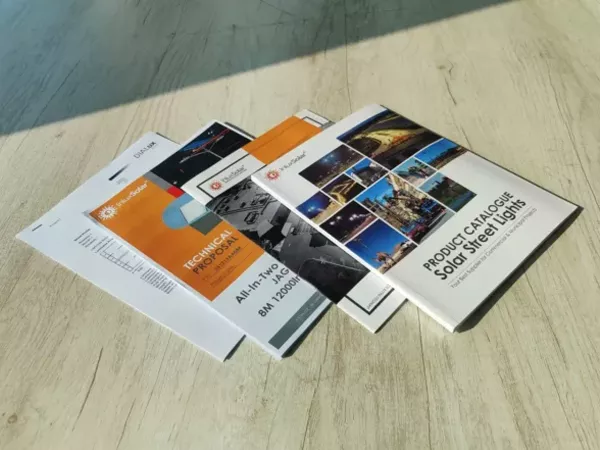
Precision-Matched Specifications
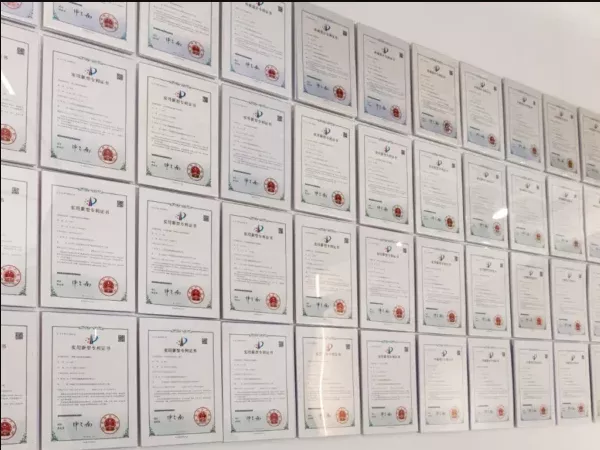
All Required Certifications
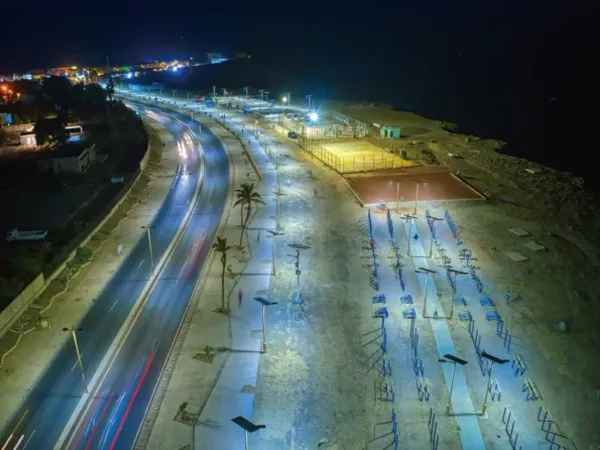
Rich Project Experience
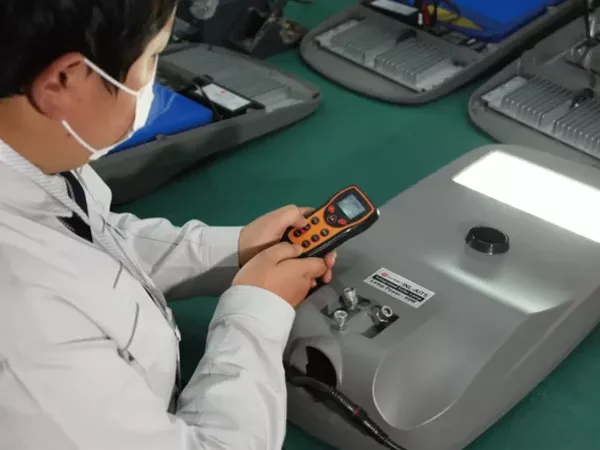
Premium Quality with Competitive Price

Utilizing Advanced IoT Technology

Highly Customized Support

Why Inlux Solar?
Founded in 2019, Inlux Solar is a B2B solar street lighting manufacturer with 300,000+ units delivered across 60+ countries and 1,000+ projects completed.
Founded in 2019, Serving 60+ Countries
Inlux Solar specializes in solar street lighting and outdoor lighting systems. We understand global standards and offer tailored solutions, making us a trusted supplier for UN and municipal projects.
High Quality R&D Team
Inlux Solar invests about 10% in R&D, supported by 30+ engineers, 60+ patents, and 300+ certifications in total.
Own Production with Rigorous Standards
Inlux Solar operates a 28,000 m2 factory with 20,000 sets/month capacity, following strict management practices from materials to shipment so project orders can be planned against verified production capacity.
5-Year Standard Warranty and Low Field Failure Rate
Inlux Solar provides a 5-year standard warranty and long-term component support. Locked internal data records field failure at <=0.3%; battery life depends on sizing, depth of discharge, temperature, and annual cycling.
Proven Success in Major Projects
1,000+ Projects in 60+ Countries
Inlux Solar has delivered 300,000+ units across 60+ countries, with ongoing support from installation guidance to maintenance and technical assistance.










Solar High Mast Project References
The published project records below show two different solar mast arrangements. Use them to identify a relevant application and supplied product format before reviewing the proposed mast height, aiming layout and energy design.
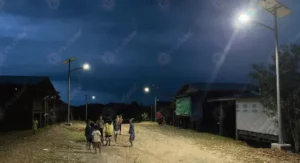
Malaysia: Solar Mast Lighting for a Square
The Malaysia square-lighting record identifies the Solar Mast Light as the applied product. It is a useful reference for an open public space served by a multi-luminaire solar mast, rather than a row of conventional street-light poles.
Read the Malaysia square project and original photo gallery. The historical installation does not establish the configuration or coverage of a new quotation.
Johannesburg: Integrated Solar Mast Lighting for Public Areas
The Johannesburg record identifies the Integrated Solar Mast Light as the supplied product format. Compare this route when evaluating mast-mounted all-in-one solar luminaires, not as an interchangeable specification for the separate-panel arrangement.
Read the South Africa public-lighting project and original photo gallery. Its published application and configuration are reference information, not an approved design for another site.
Why Not Copy the Mast Height From a Reference Project?
A similar application does not establish the right height or number of luminaires for your site. The task area, head positions, optics and aiming must be assessed together, then matched to the solar-energy design and mast structure. Ask which proposed configuration the photometric files and calculations describe.
These records are not measured lux maps, battery-autonomy tests or evidence of a particular percentage saving on your project. Compare the supporting design and acceptance records before carrying those results into a tender.
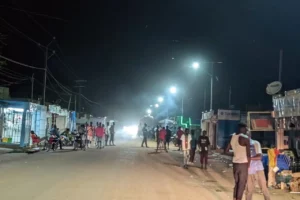
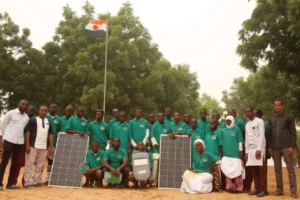
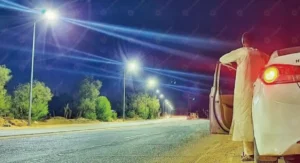
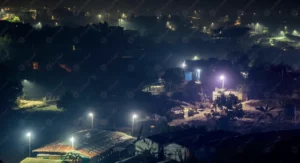
The gallery below shows wider Inlux Solar company projects. It is not a list of solar high-mast installations or proof that every product has the same performance.

60+ Patents & 300+ Certifications
Quality Assured with Trusted Certifications
Our comprehensive certifications demonstrate our commitment to excellence and compliance. This means you can trust our products to meet all required specifications and standards,reducing risk and ensuring project success.


Applications & Layout Examples
Guides & Engineering Resources (Tender-Ready)
Standardize worst-month assumptions and verify layouts with photometrics before procurement.
Resource Centers
- Project Input Sheet (Tender-Ready)
- Spec Definitions (usable Wh, autonomy, runtime)
- Photometrics Center (IES/LDT + DIALux)
- Wind Load (EPA) & Foundation
- RFQ/BOQ Kit + Rubric
Most Relevant Guides for Solar High Mast
- Solar High Mast Sizing (Worst-Month)
- DIALux Inputs & Deliverables
- Pole Height, Spacing & Layout
- Wind Load & EPA (What to prepare)
Run Solar Sizing Bundle → Request Off-Grid Proposal →
Related system types: AC High Mast · Solar High Mast · Stadium Mast
Go to hubs: High Mast Guides Hub · High Mast Lighting Design Guide · High Mast Resources Hub · Buyer’s Guide (Bundles)
Request a tender-ready proposal →