







Applications:
Solar Smart Street Lighting Solution
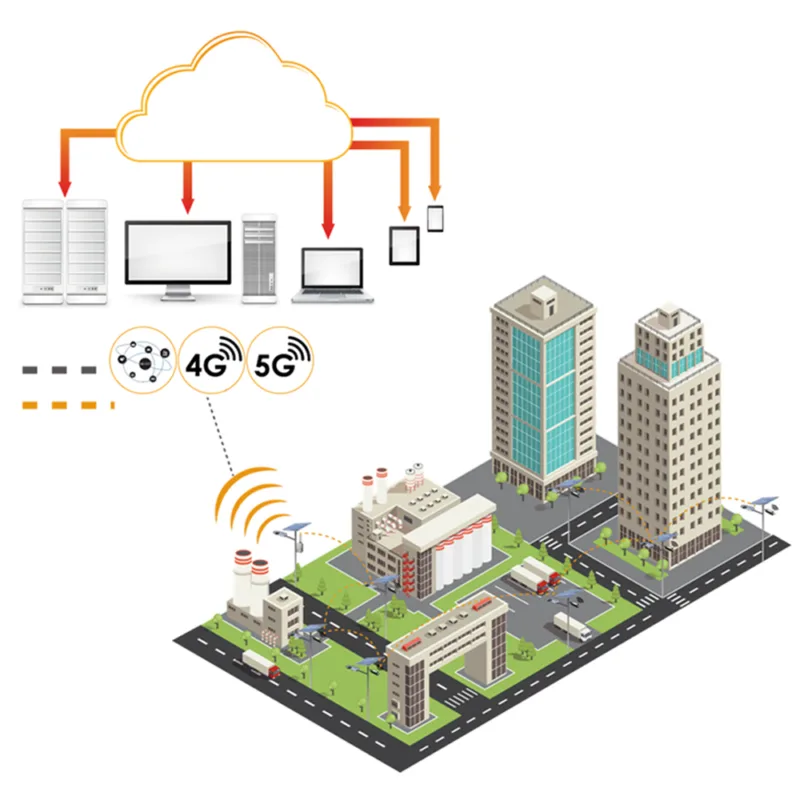
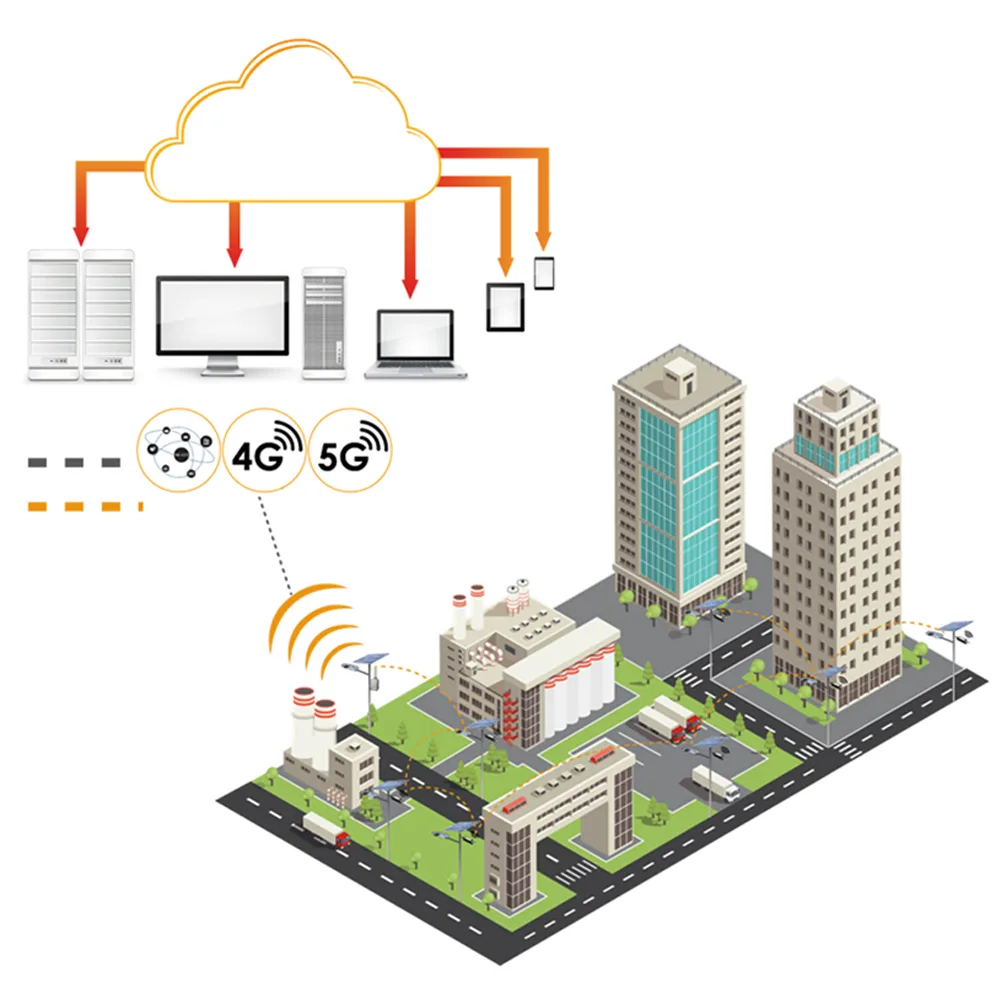
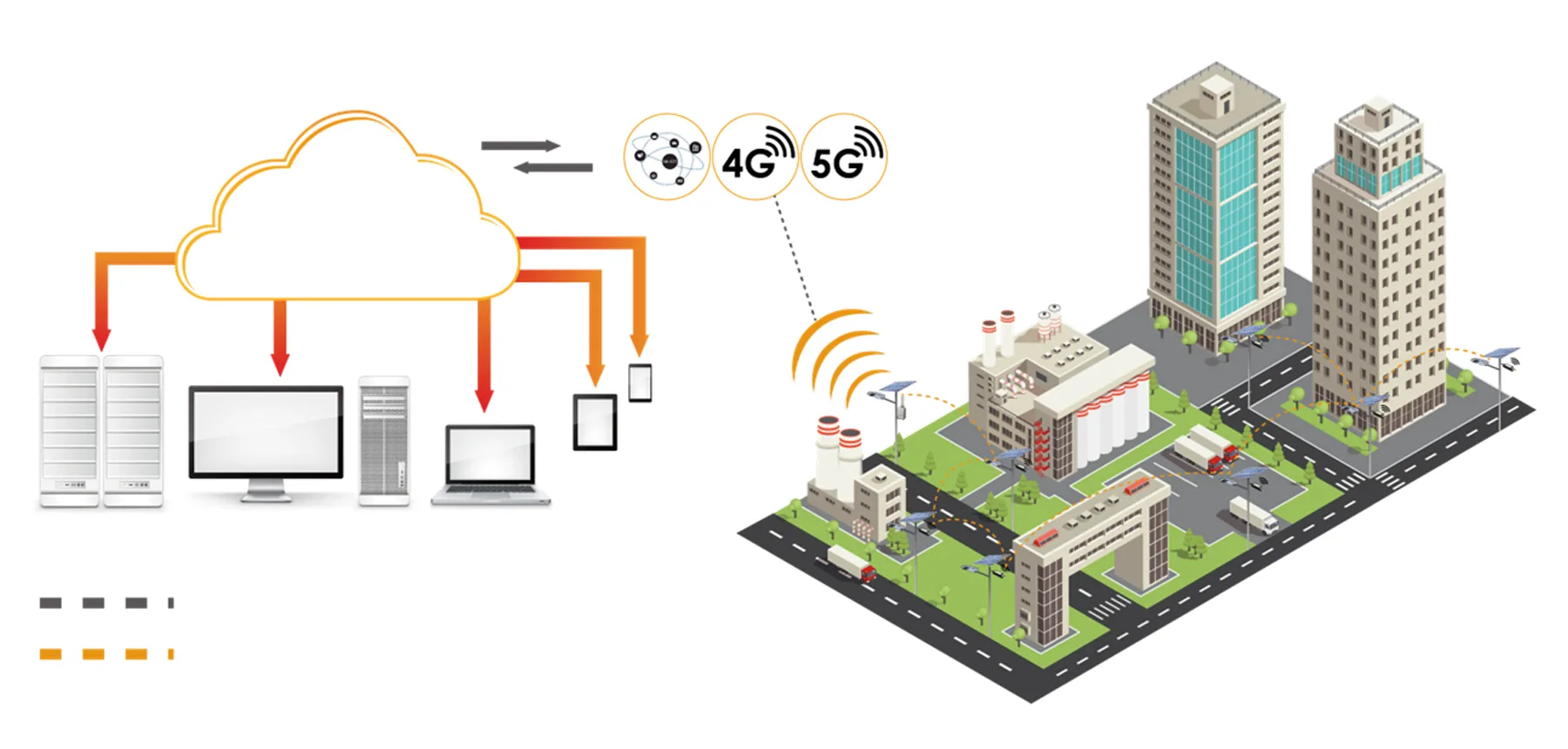
INLUX SOLAR Solar Smart Street Lighting Solution seamlessly connects the City smart lighting platform and smart solar street lighting fixtures via IoT network, enabling remote on/off / dimming, scheduling tasks, and fault alarm functions. IoT networks support large-scale device access and real-time management, making them ideal for various solar street lighting scenarios. It helps users achieve high energy efficiency, improve operational efficiency, and reduce maintenance costs.
Looking for a broader solution overview? See our Smart Street Lighting System page to compare solar, AC, and smart pole options.





Description
Core Technologies of Solar Smart Street Lighting Solution
Real-Time Monitoring
Monitor key operational parameters of each solar street light in real time, including battery status, voltage, current, power generation, and lighting performance through the cloud platform.
Remote Configuration & Control
Adjust brightness, lighting schedules, and controller parameters remotely without on-site intervention, greatly reducing maintenance workload.
Intelligent Dimming & Energy Optimization
Flexible dimming schedules optimize energy usage and extend lighting duration when solar energy is limited.
Proactive Fault Detection & Alarm
Automatically detect system faults and send real-time alerts, including battery issues, PV input faults, and LED load abnormalities.
GIS-Based Device Management
Visualize device locations and operational data on a GIS map, enabling fast device search, grouping, and project-level control.
Data Reports & System Analytics
Automatically generate energy consumption and alarm reports daily, monthly, or annually to support system analysis and maintenance planning.
Solution Architecture Options
Flexible control architectures for different project scales and budgets.
Solution Architecture Options
Flexible control architectures for different project scales and budgets.
4G vs LoRA Solution Comparison
| Feature | 4G IoT Solution | LoRA Solution |
|---|---|---|
| Communication Mode | Direct 4G | LoRA + Gateway |
| SIM Card | Each lamp | Only gateway |
| Control Type | Individual lamp control | Network/group control |
| Device Capacity | Unlimited | Up to 1000 lamps per gateway |
| Coverage | Depends on cellular network | Up to 1500m gateway radius |
| Communication Cost | Higher | Lower |
| Best Application | Distributed lighting projects | Large clustered lighting networks |
Circuit Control Solution

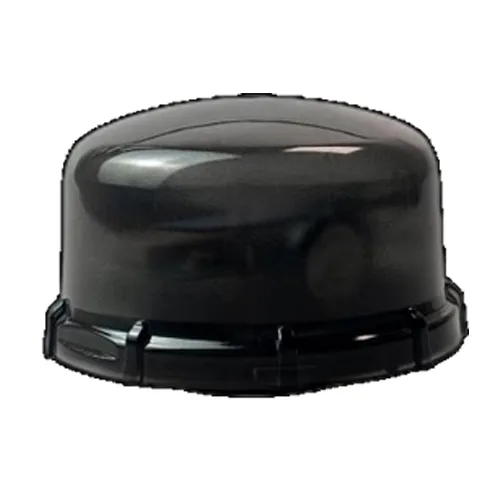
4G Wireless Communicator
| Parameter | Specification |
|---|---|
| Working Voltage | 9–60VDC / 3.9–4.2VDC |
| Communication | TCP |
| Average Power | 1–2W |
| Working Temperature | –40°C ~ +85°C |
| IP Grade | IP66 |
LoRA Smart Solar Lighting Solution

4G Wireless Communicator
| Parameter | Specification |
|---|---|
| Working Voltage | 4–5.5VDC |
| Communication | LoRA |
| Static Power | <0.5W |
| Working Temperature | -40°C ~ +85°C |
| IP Grade | IP65 |
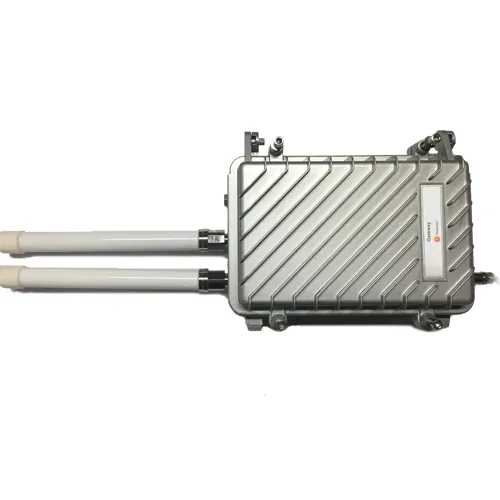
4G Wireless Communicator
| Parameter | Specification |
|---|---|
| Working Voltage | 9-36V / 0.05-0.2A |
| Uplink Communication | LTE-TDD / LTE-FDD / WCDMA / GSM |
| Downlink Communication | RF 2.4-2.5GHz |
| Working Temperature | -40°C ~ +85°C |
| IP Grade | IP65 |
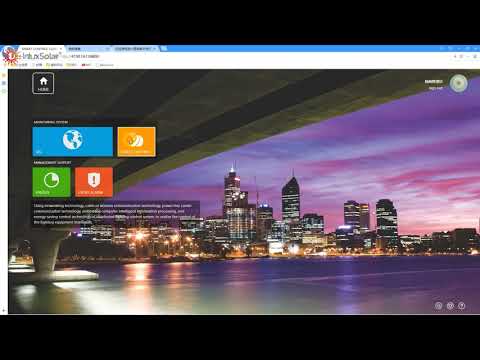
smart control cloud system Video
Projects
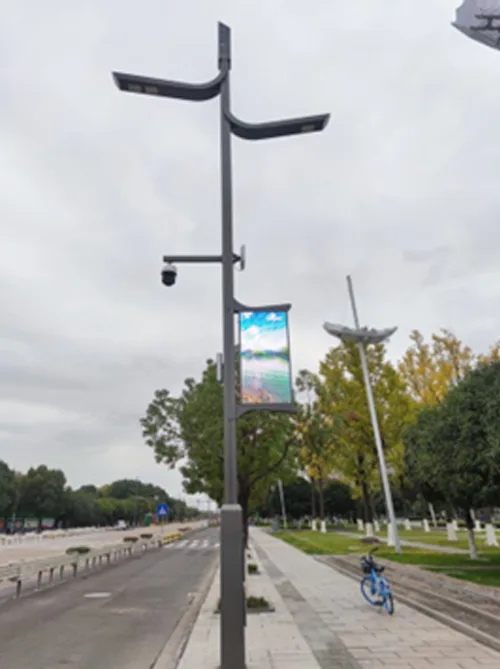
Location: Ningbo,China
Solution: Smart Pole
Products: 47 Smart Poles
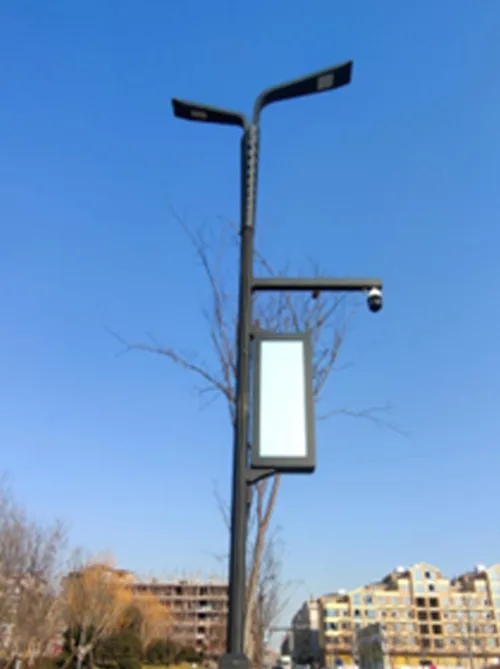
Location: Yiwu,China
Solution: Smart Pole
Products: 43 Smart Poles
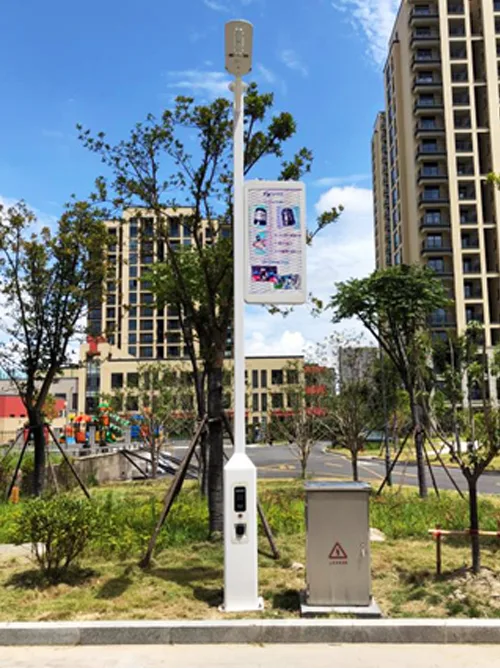
Location: Hangzhou,China
Solution: Smart Pole
Products: 140 Smart Poles
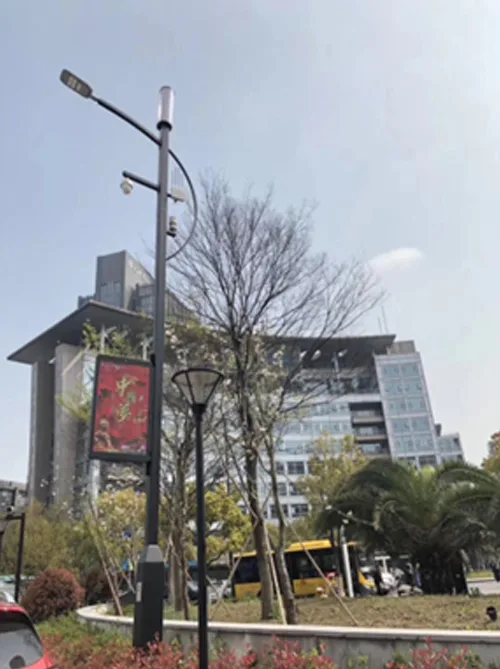
Location: Ningbo,China
Solution: Smart Pole
Products: 72 Smart Poles
Define the Solar Monitoring Scope
List the battery, PV and lighting information the operator needs to see, together with the control actions and alarm workflow. Share the site layout, cellular coverage information and intended operating schedule. Request a proposed device-to-platform architecture, commissioning checks, access permissions and recurring-cost scope. Monitoring and dimming do not replace the separate review of solar generation, usable storage and nightly load.
Review the smart lighting architecture comparison or send the project brief for a quotation.