







The 2026 South America Solar Street Light Configuration Guide
Why a standard light fails in Bogotá but works in Santiago. Localized radiation data & engineering solutions for importers.
Regional Data: The “Sunlight Gap”
We don’t guess. We engineer based on local meteorological data. See the massive difference between regions:
| Country / City | Solar Radiation (kWh/m²/day) | Rainy/Cloudy Days (Risk Factor) | Inlux Solar Recommendation |
|---|---|---|---|
| Brazil (São Paulo) | 4.56 | 110 Days (High Risk) | Bison (All-in-Two) |
| Brazil (Fortaleza) | 5.67 (High) | 90 Days | Standard Config |
| Colombia (Bogotá) | 4.34 (Low) | 140 Days (Critical) | Apollo (Split Type) |
| Colombia (Medellín) | 4.56 | 150 Days (Critical) | Apollo (Split Type) |
| Argentina (Buenos Aires) | 4.67 | 80 Days | Bison (All-in-Two) |
| Chile (Santiago) | 5.23 (Good) | 40 Days (Low Risk) | Sirius (All-in-One) |
| Peru (Lima) | 4.89 | 20 Days (Cloudy) | Bison (All-in-Two) |
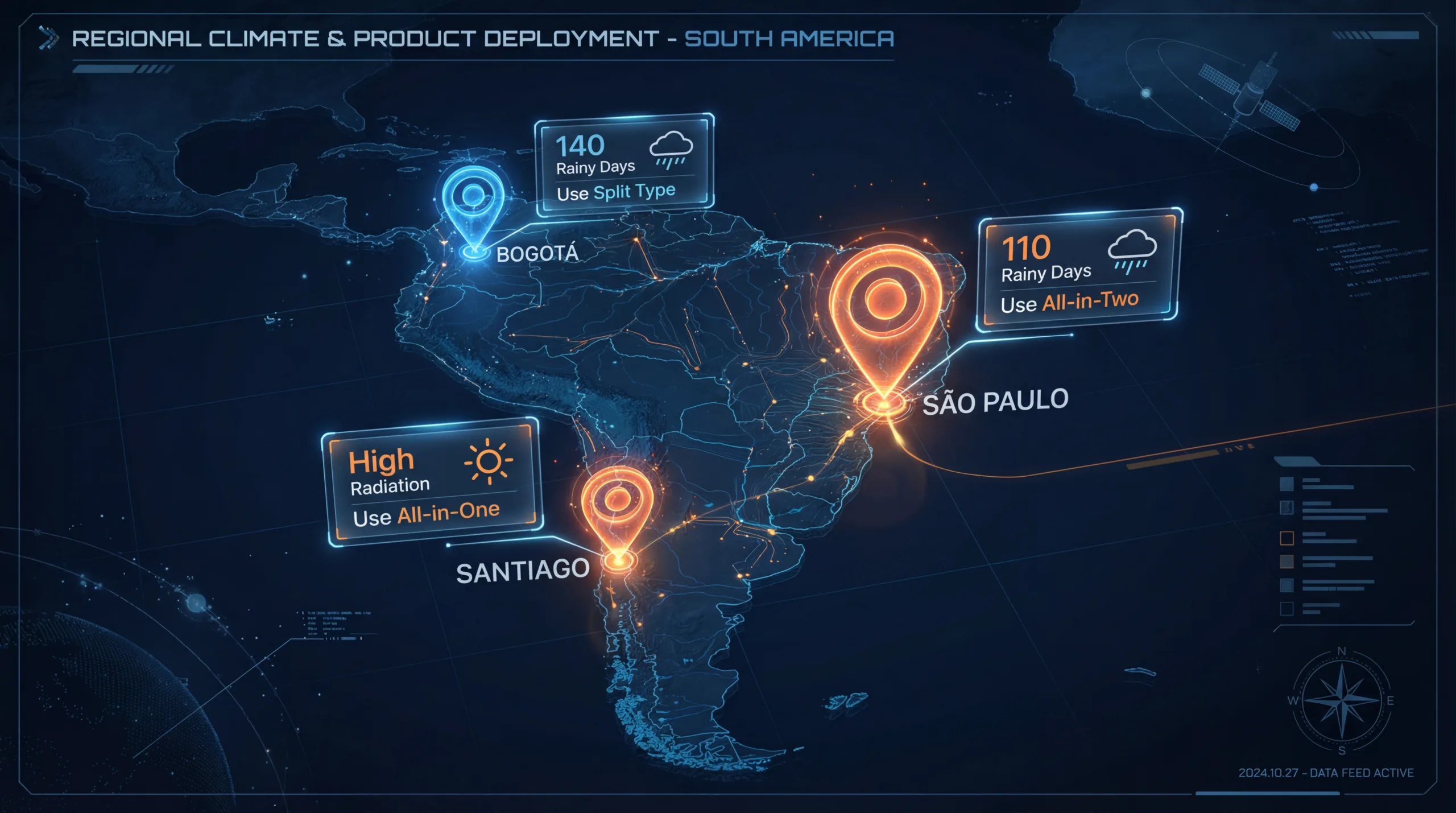
Source: Inlux Solar South America Meteorological Database
For Colombia (Rainy)
Challenge: 140+ rainy days in Bogotá means standard lights will blackout.
Solution: Apollo Split Type. Allows for oversized 450W panels to generate power even in weak light.
For Brazil (Humid)
Challenge: Latitude -23° requires angle adjustment. Humidity kills Gel batteries.
Solution: Bison All-in-Two. Adjustable bracket for True North facing. LiFePO4 battery housed inside for theft protection.
For Chile (Sunny)
Challenge: Modern urban aesthetics required. High radiation available.
Solution: Sirius All-in-One. 190lm/w high efficiency. Rotatable LED module for precise lighting distribution.
Why Inlux Solar Dominates the South American Market
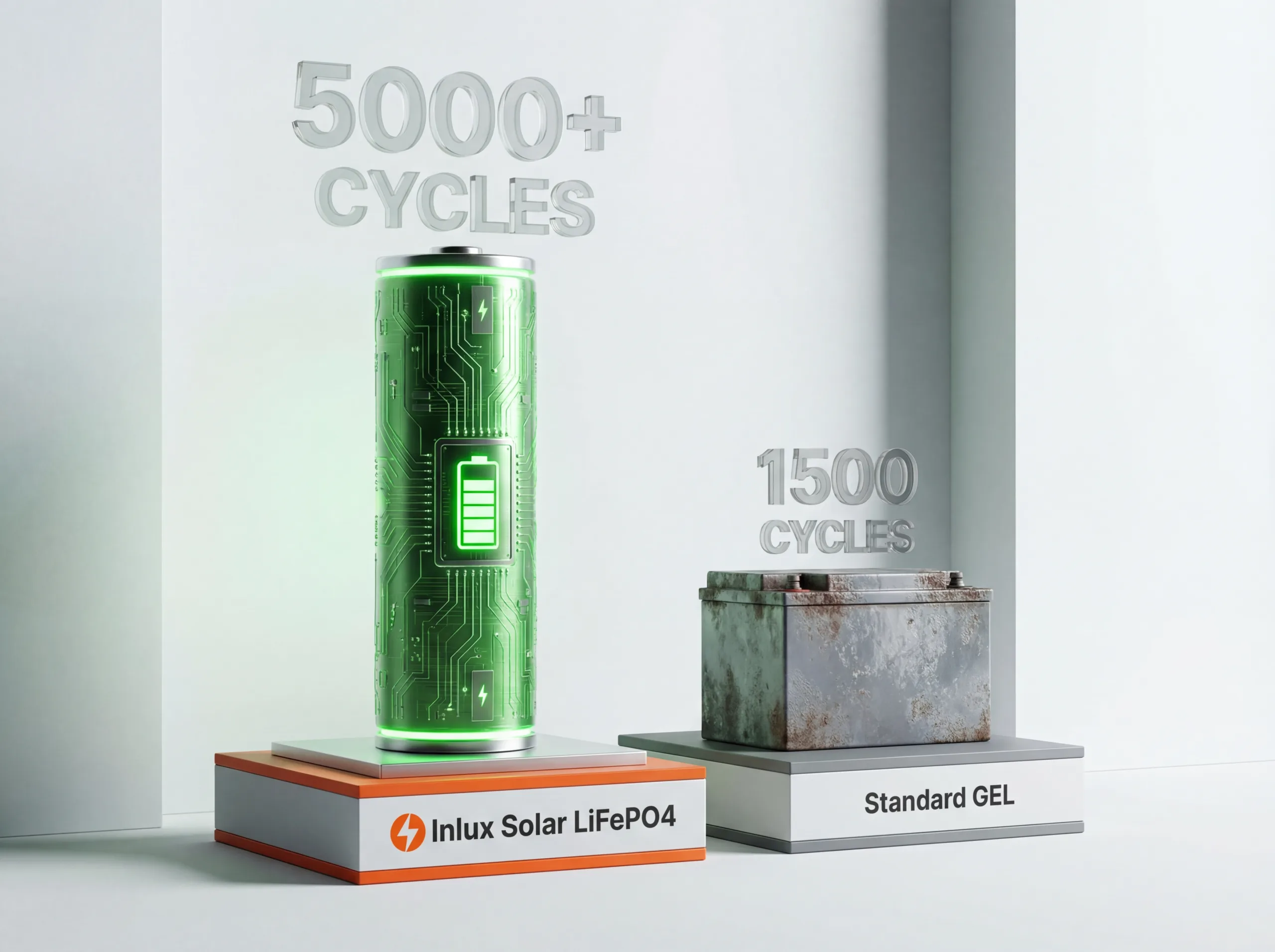
Competitors dump standard “Gel Battery” lights into the market. We don’t. Here is the technical difference:
- No Gel Batteries: We strictly use LiFePO4 batteries with >5,000 cycles (10+ years). Gel batteries degrade quickly in Brazil’s heat.
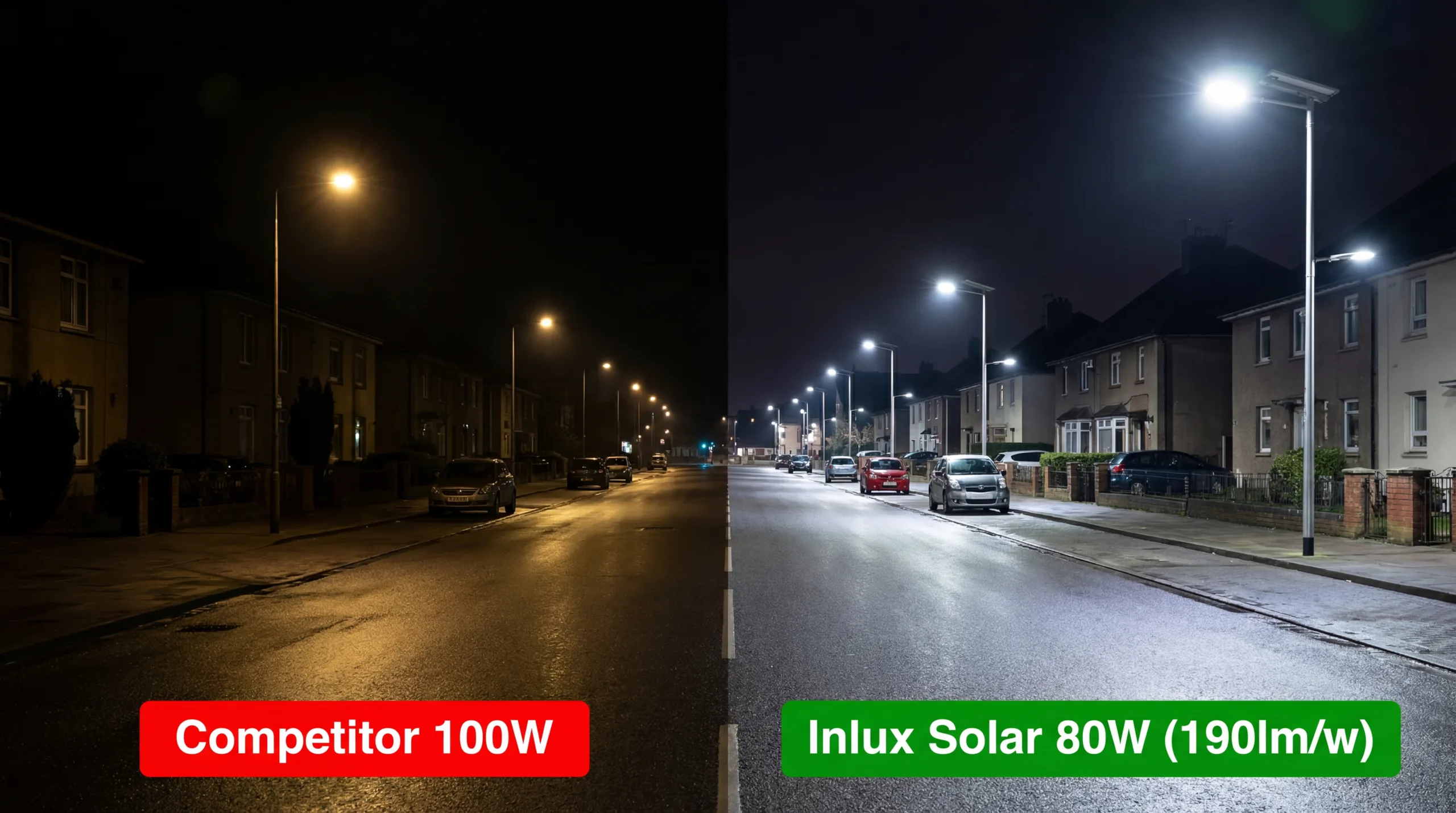
- 190lm/w Efficiency: In low-radiation cities like Bogotá, our 7070 LED Chips deliver 40% more light than standard 3030 chips used by others.
- Hurricane Rated: Structural design tested for 160 km/h winds, essential for coastal zones.
Get Your City’s Configuration Report
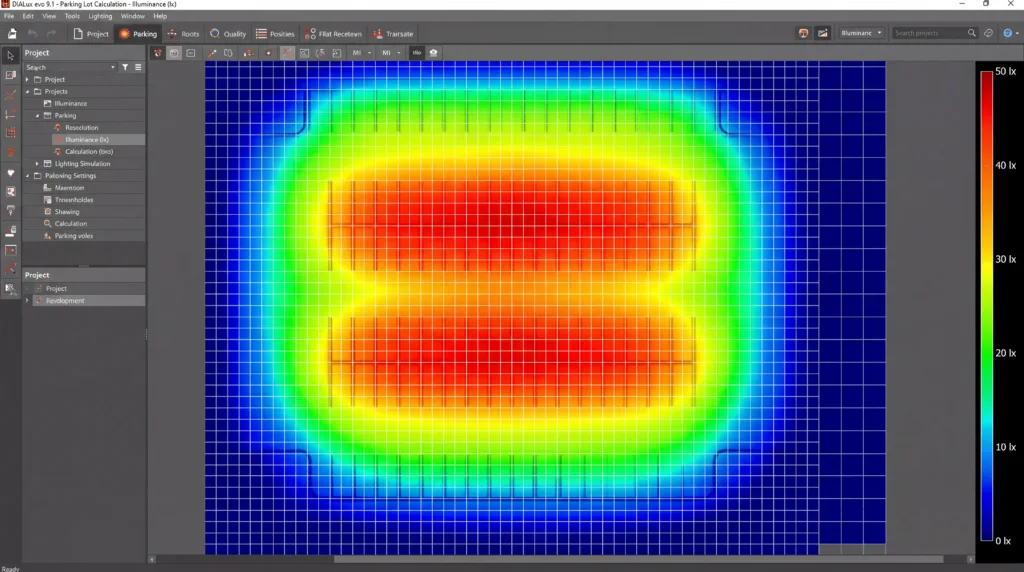
Don’t risk a blackout. Download our full PDF guide with detailed battery & panel sizing for every South American capital.