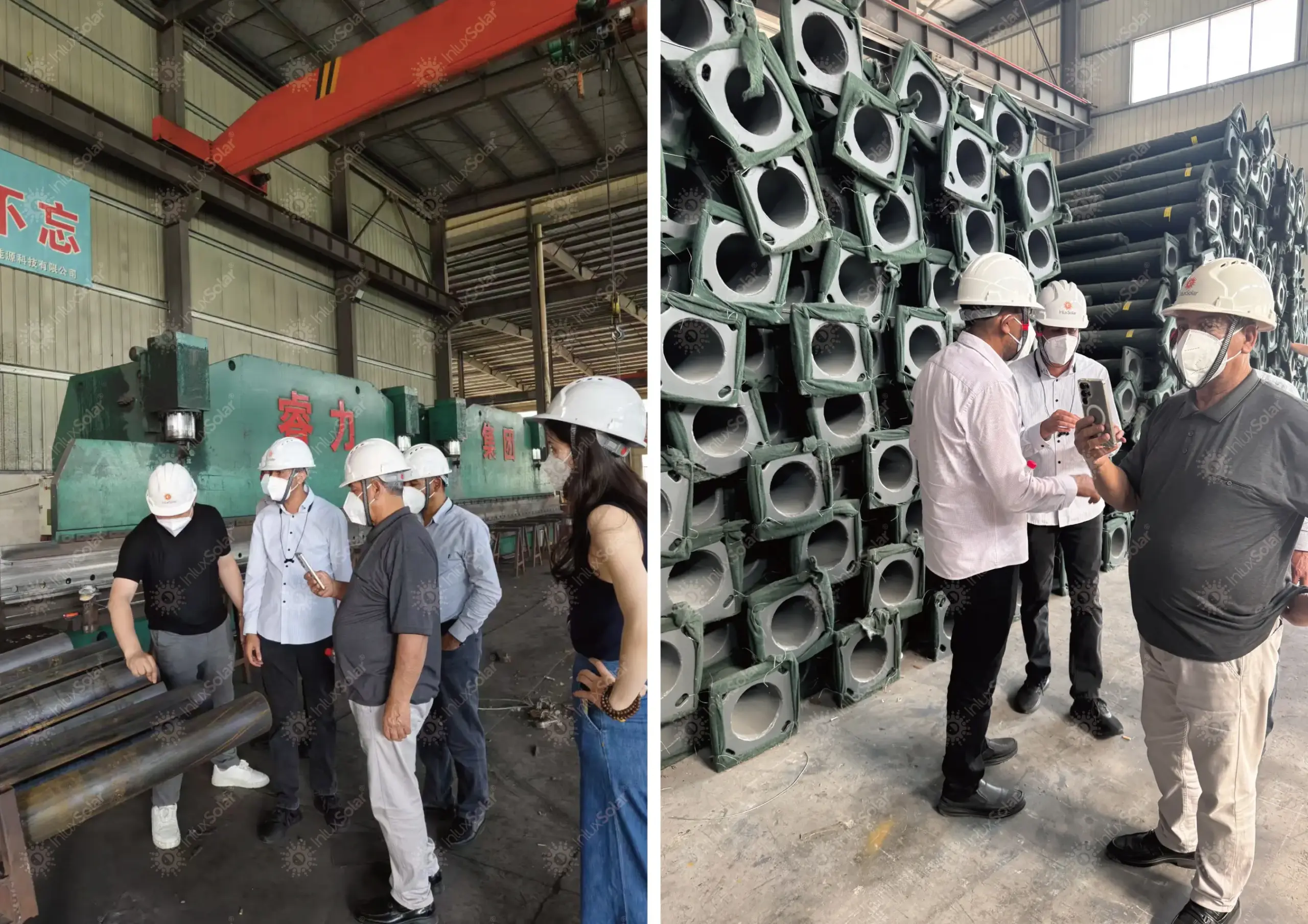







When Mr. Mohammed, a Libyan businessman in a white robe, walked into the factory, he first asked to see the Arabic translation of the ISO9001 certificate. This detail reveals the North African customer’s persistence in standardized management – in Libya, which is undergoing reconstruction after war, they are in urgent need of establishing a reliable supply chain.
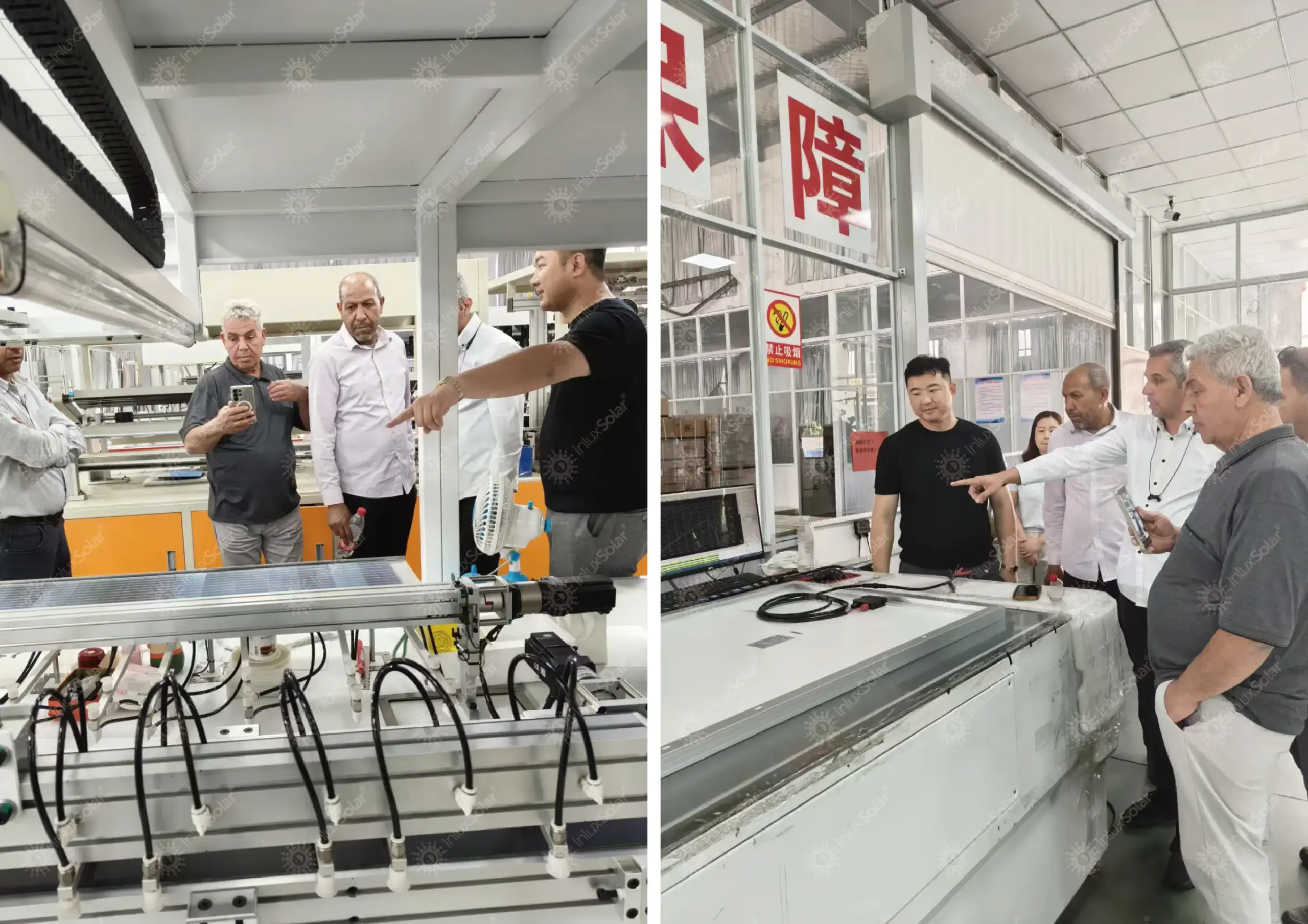
The main purpose of the customer’s visit to the factory this time was to inspect the 2,000 sets of street lights that had been produced. The customer bought our samples for testing in March, and our high quality made us stand out among more than a dozen competitors. After rigorous testing, the customer said to me happily; “Your products are the best, and there are no better products on the market than yours. Obviously, our cooperation will continue to expand and deepen.”
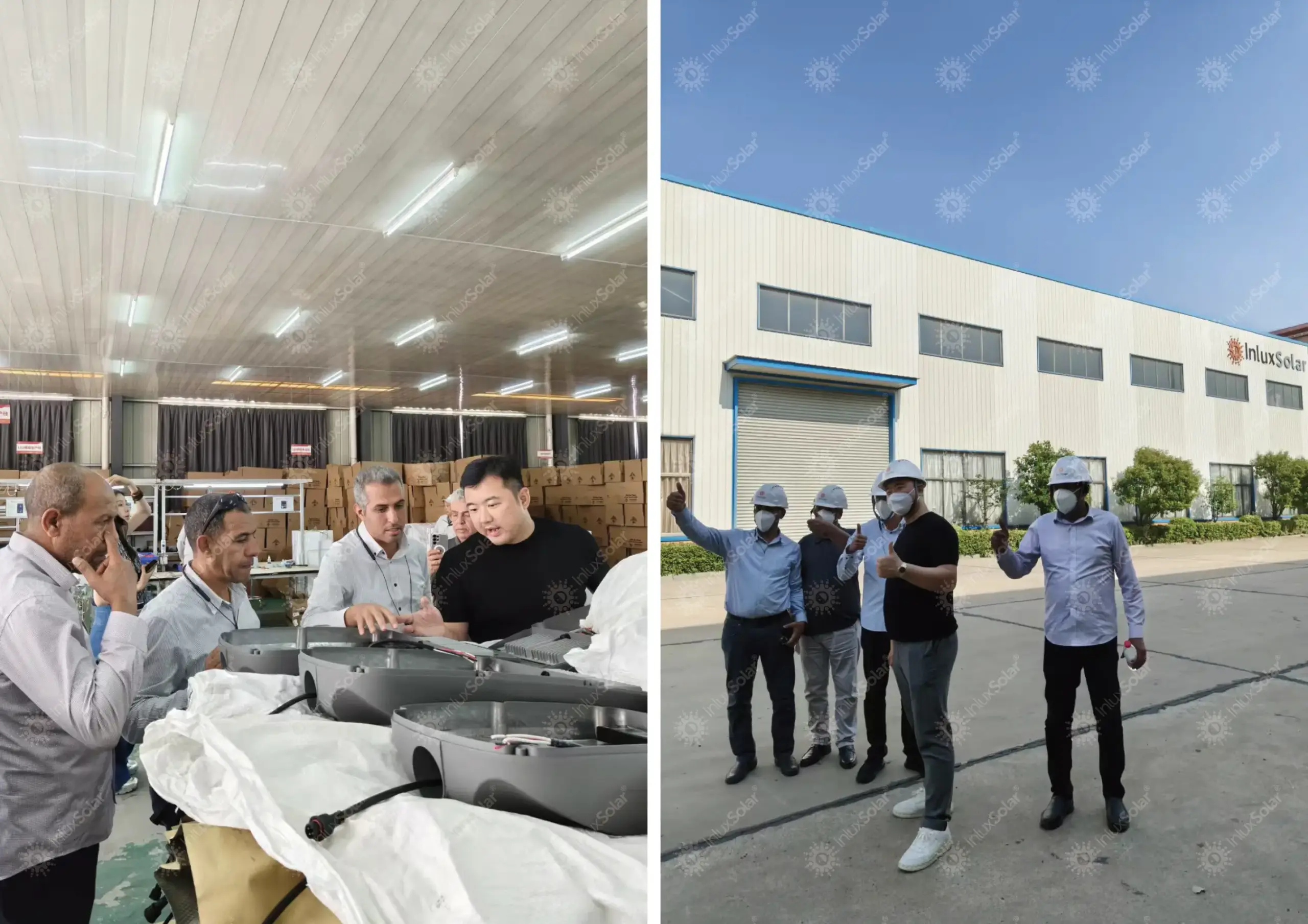
The factory inspection process is like a sophisticated diplomatic negotiation. The customer made special requirements for the welding process. It turned out that the summer temperature in Tripoli was as high as 70°C, and ordinary solder joints were prone to oxidation and failure. The technical director immediately called up the experimental data of high-temperature resistant solder and showed the heat dissipation module specially made for Middle Eastern customers. When the quality inspector demonstrated the X-ray flaw detector, Mohammed suddenly interrupted in English: “Please use the 0.5mm standard. We have zero tolerance for cracks in steel pipes.” The cultural clash reached a climax at lunch. The customer refused to use disposable tableware, and the environmental protection supervisor hurriedly replaced it with degradable corn fiber plates.
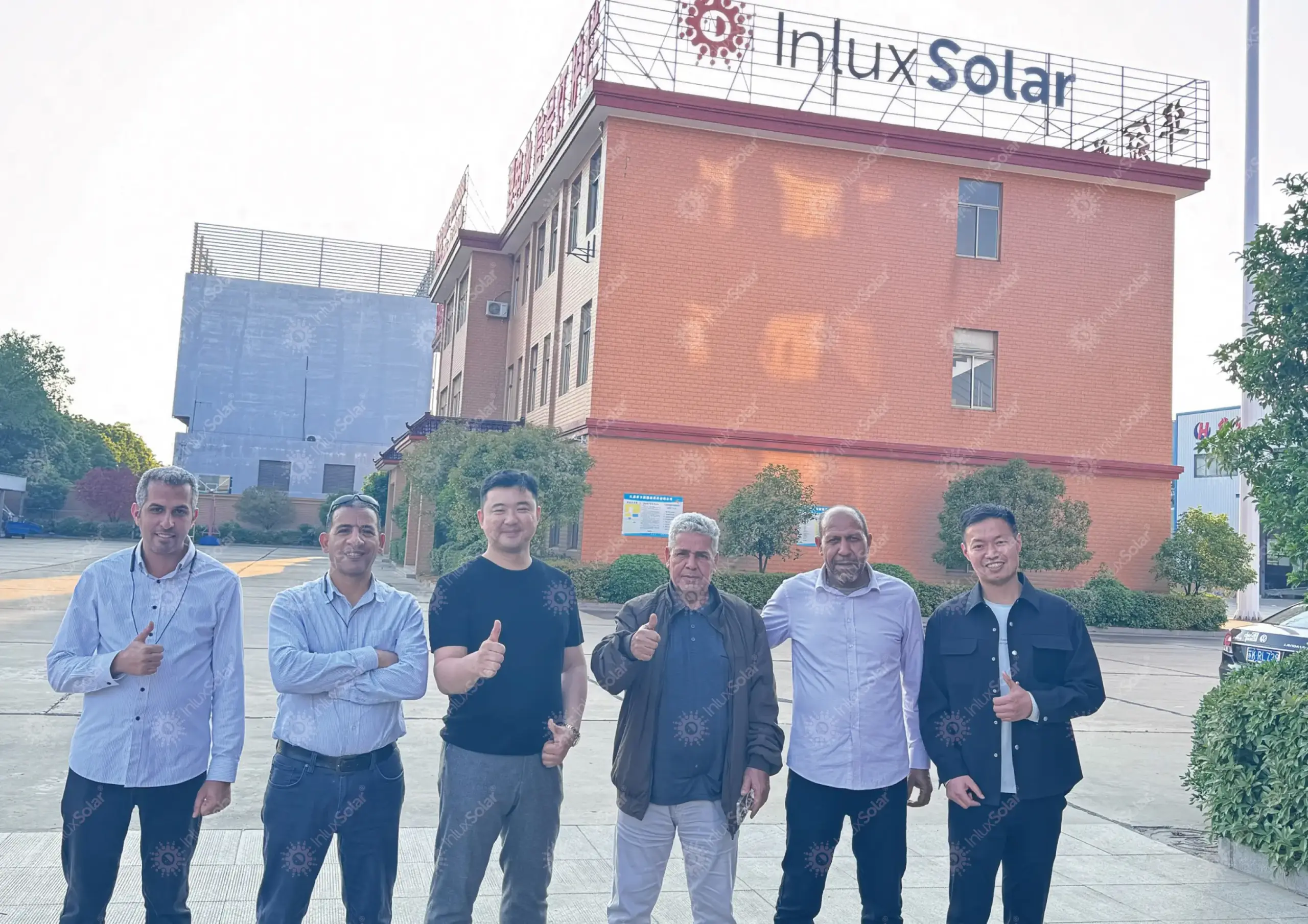
Upon learning that the other team was all Muslims, the customer was deeply moved by the temporary prayer room in the cafeteria. At the final signing ceremony, Mohammed touched the signed contract to his forehead: “In the name of Allah, this is a trustworthy Eastern partner.”
Under the setting sun, the customer grabbed a handful of sand from the factory and put it into a crystal bottle: “Let the engineers in Tripoli see that even the dust particle size in the Chinese factory is controlled.” This poetic move put a moving end to the rigorous factory inspection process.